when a conference becomes an ecosystem laboratory
Canon's Future Book Forum prepares the publishing industry for megatrends. By Daniel Lenz
The Future Book Forum breaks with the outdated conference format of the publishing industry and focuses on ecosystem thinking – a much-needed response to six megatrends that are transforming publishing from the outside.
Brutal impulse, potpourri, prosecco: a speaker, preferably from a different, younger industry, preferably a kind of Dr Doom, holds up a mirror to the publishing world with pithy words – and of course, the publishing world doesn't like what it sees. This is followed by a wild mix of individual topics that are interesting in themselves but don't fit together at all. The programme is rounded off in the evening with copious amounts of Prosecco, which makes you forget how weak the day's programme actually was.
Following this pattern, typical conferences have been running for decades, not only in the publishing industry, leaving a bad taste in the mouths of seasoned conference attendees in particular. It is certainly no coincidence that the vast majority of conference formats from the publishing world have now been scrapped. This is because this principle usually leaves visitors more astonished and perplexed than it does inspired to make lasting changes to their own practices.
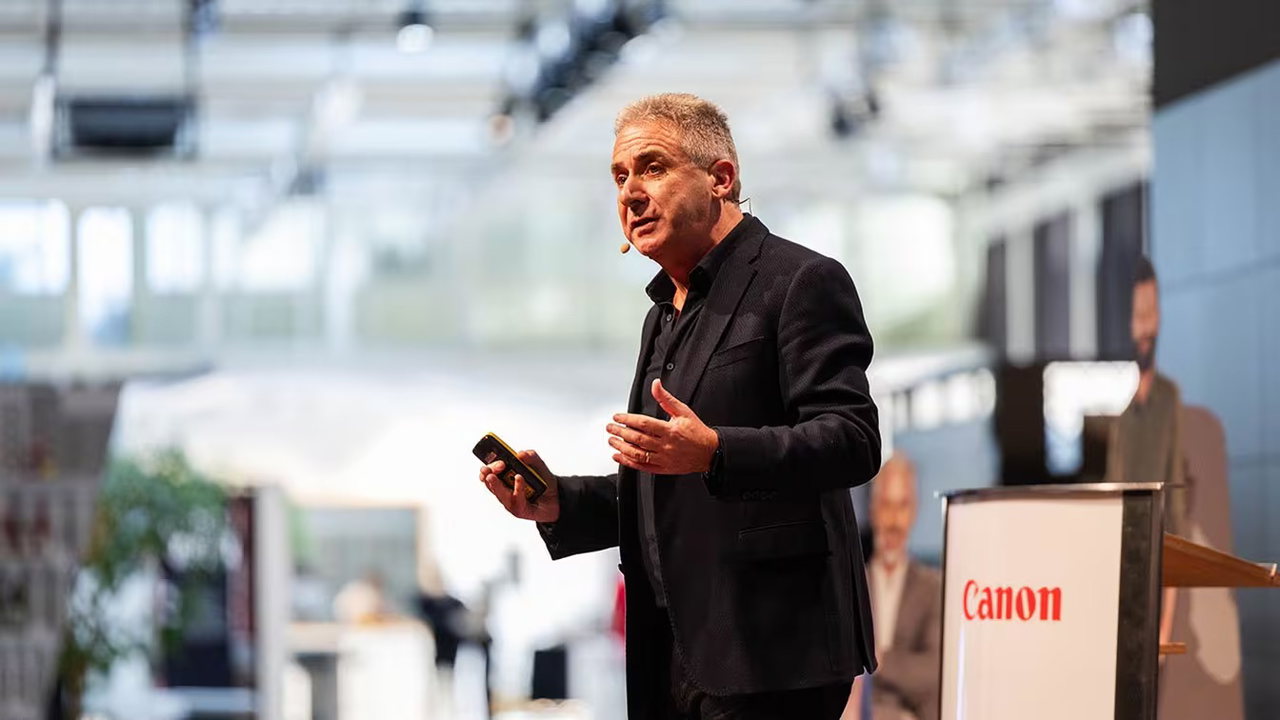
Megatrends force a reorientation
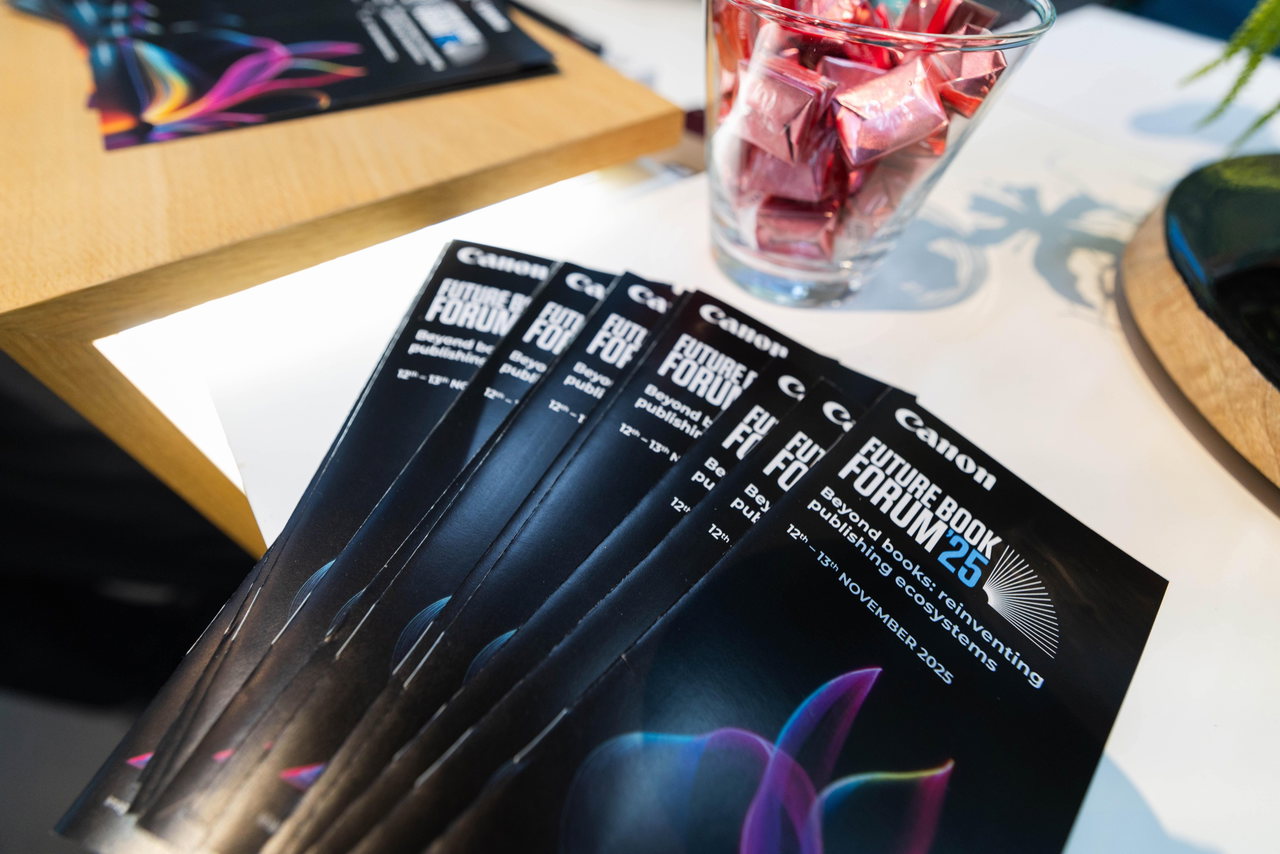
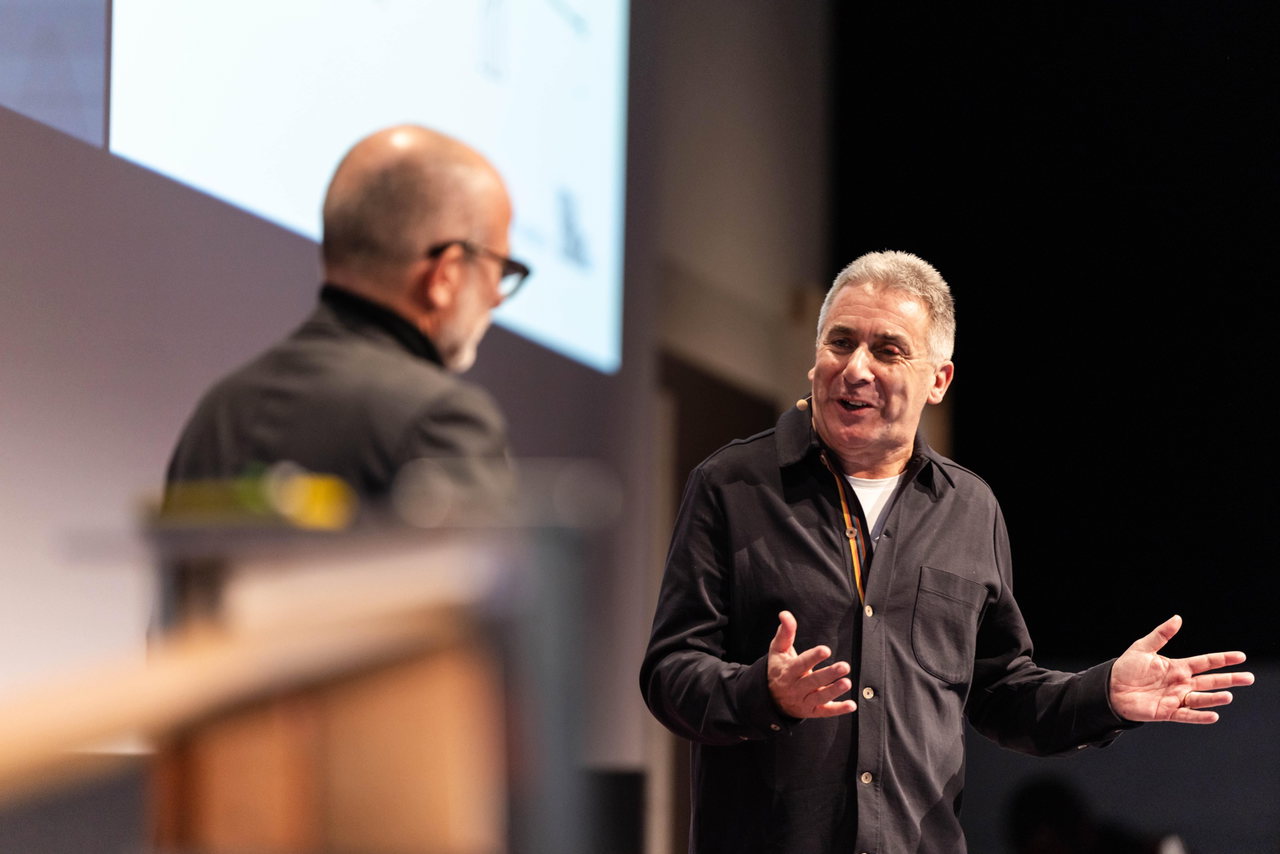
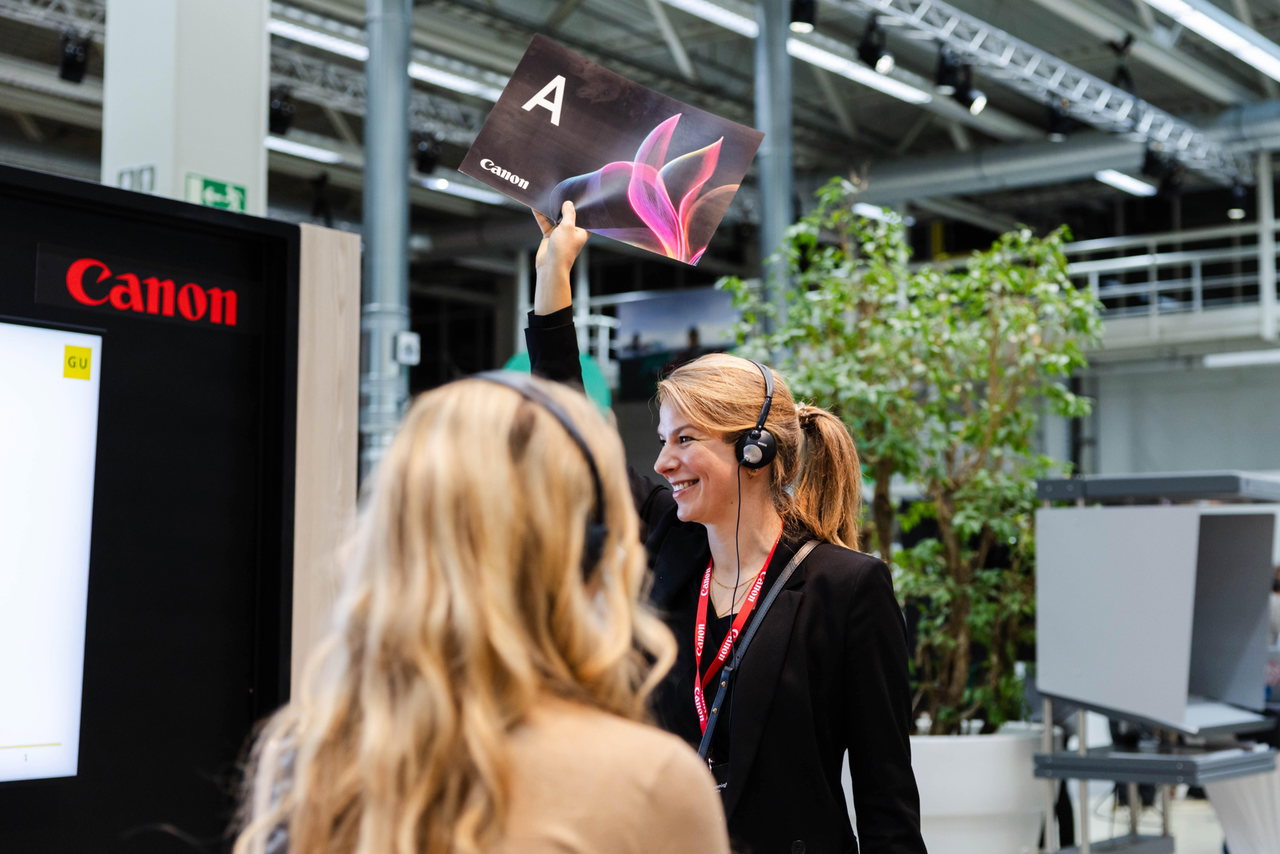
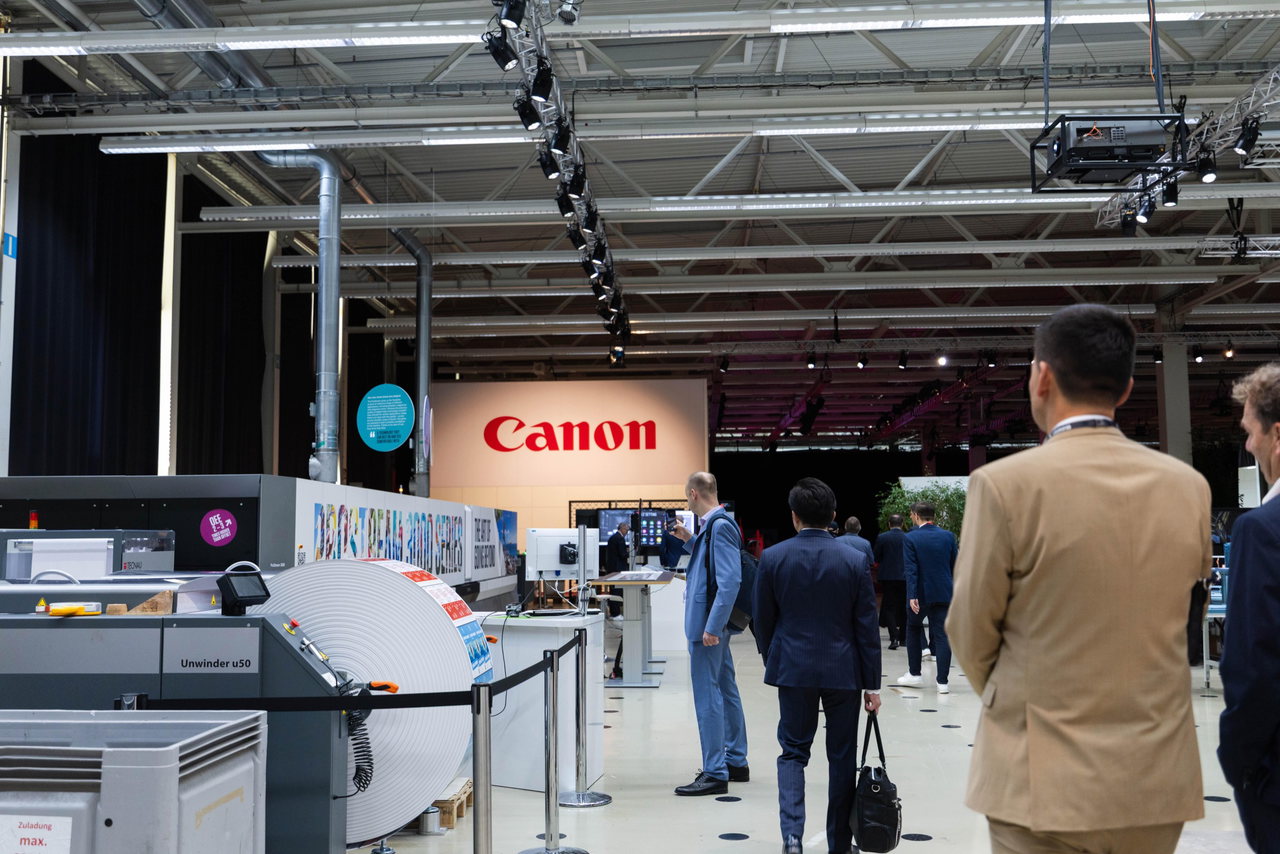
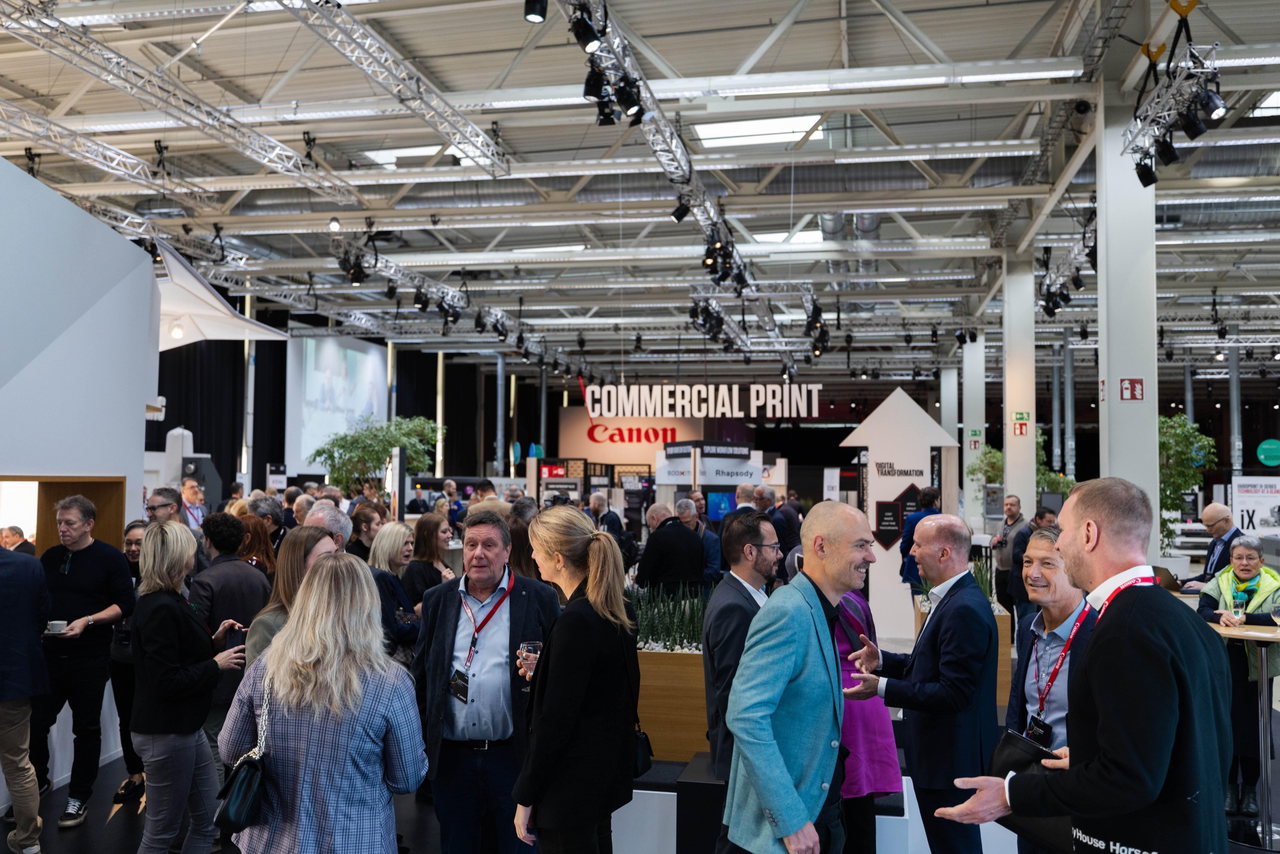
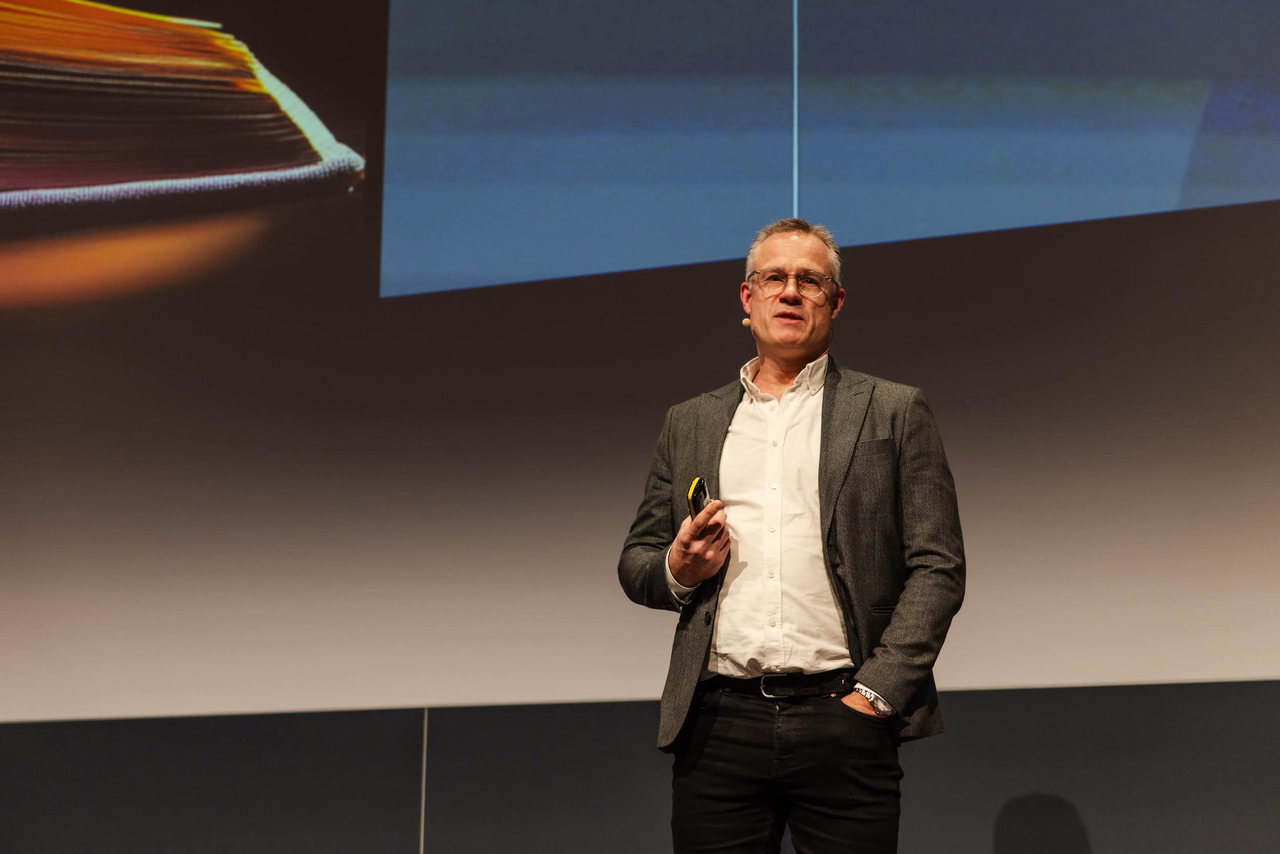
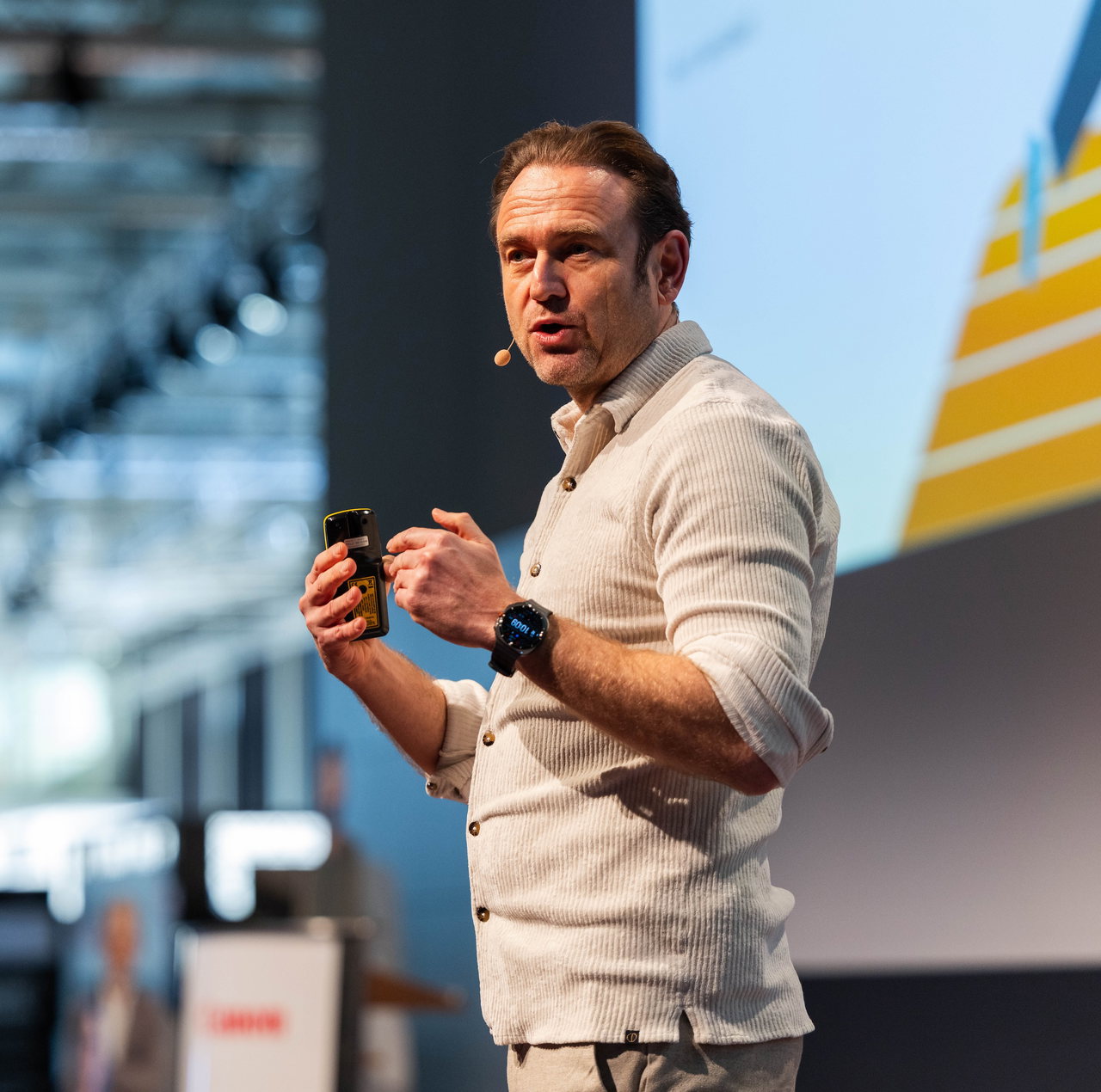
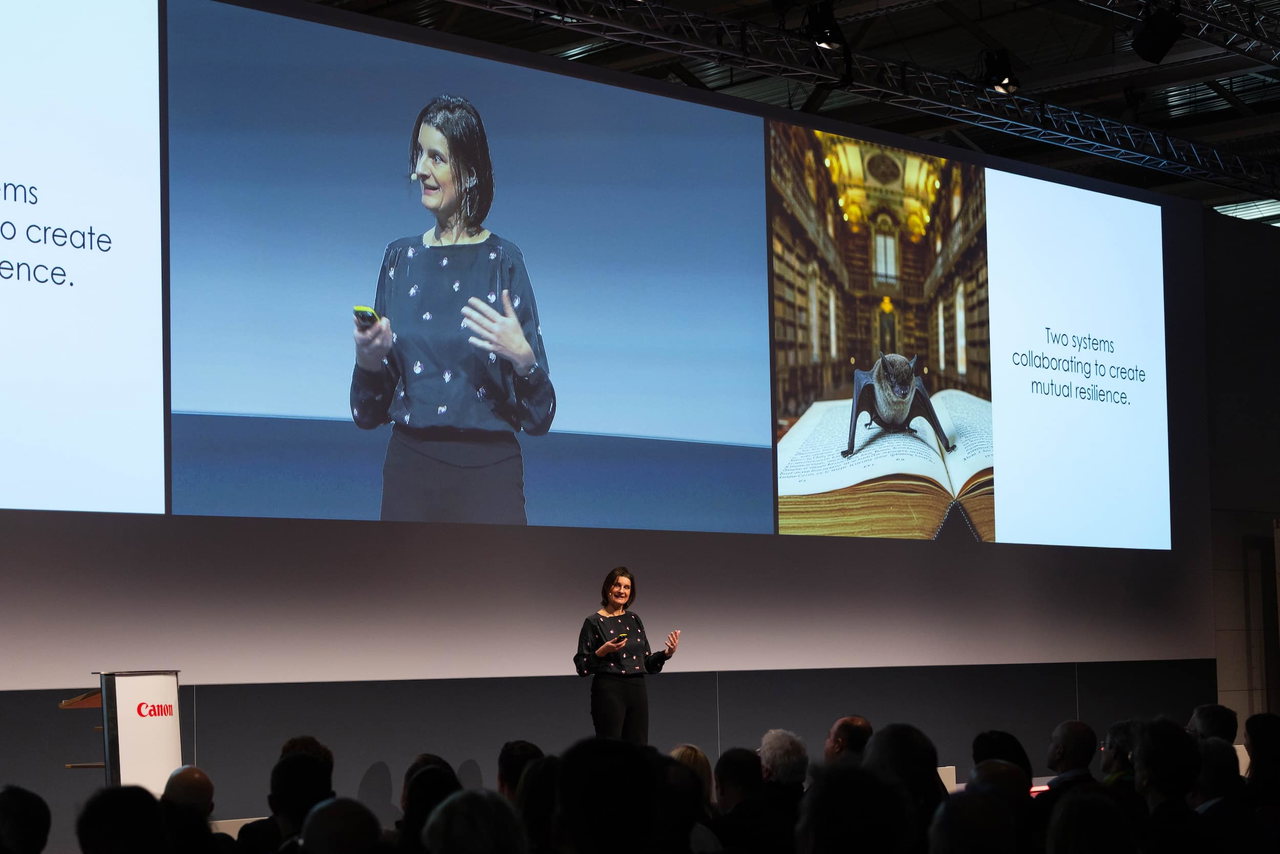
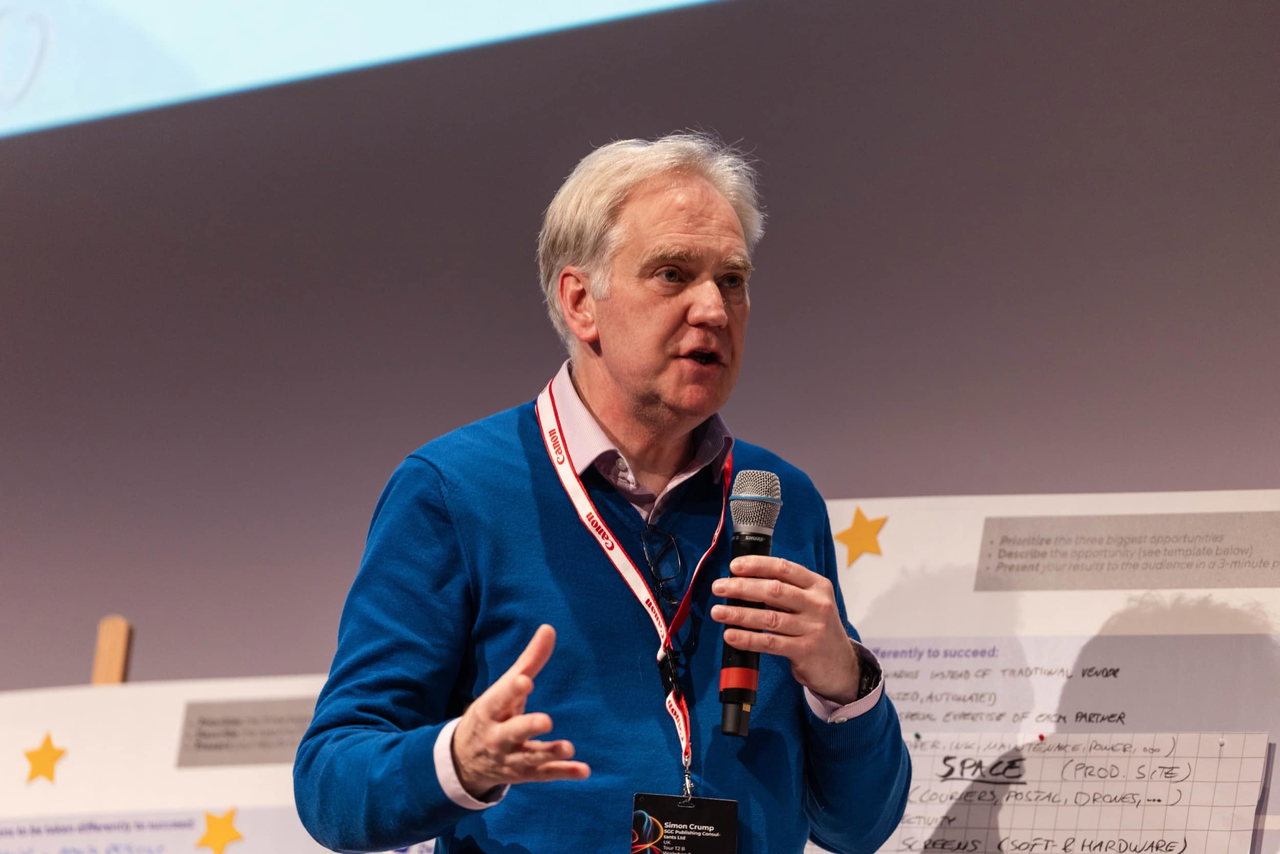
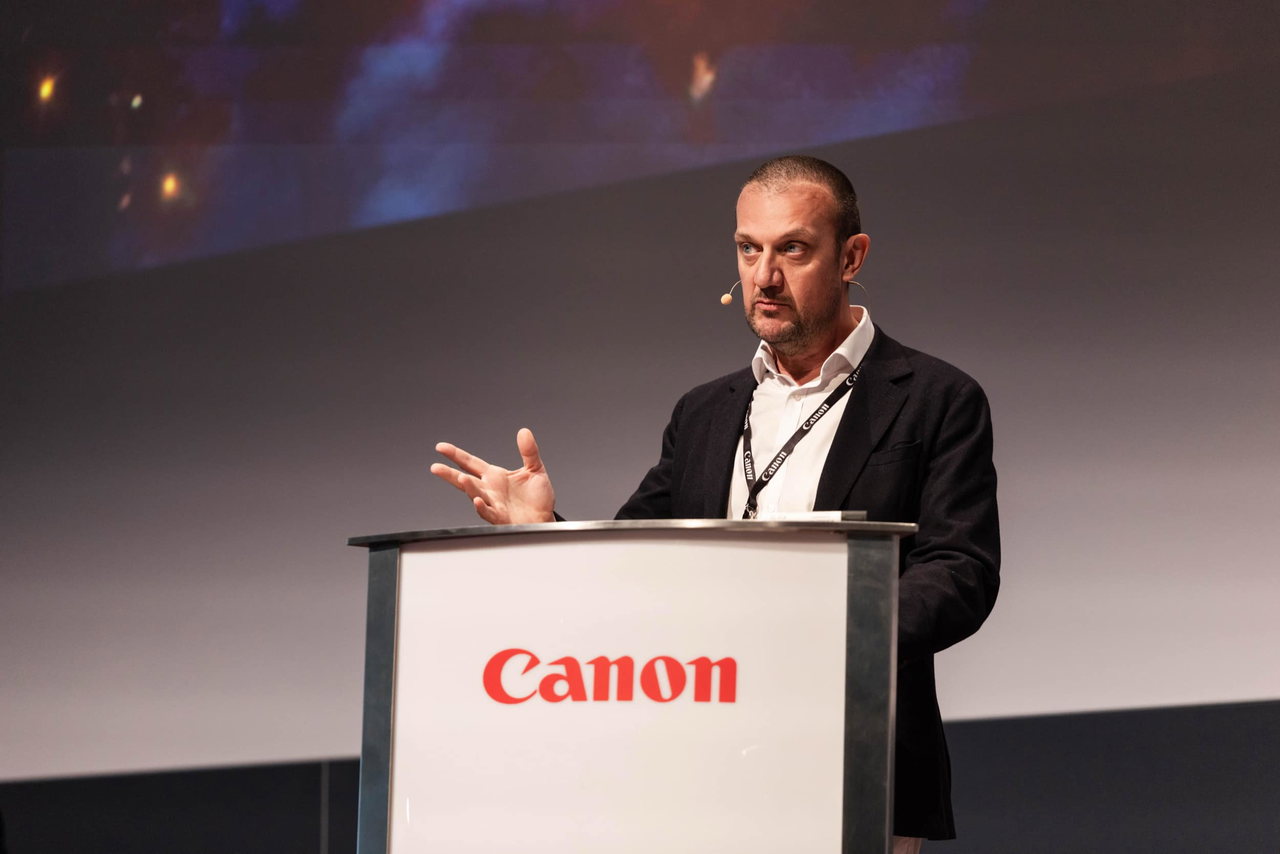
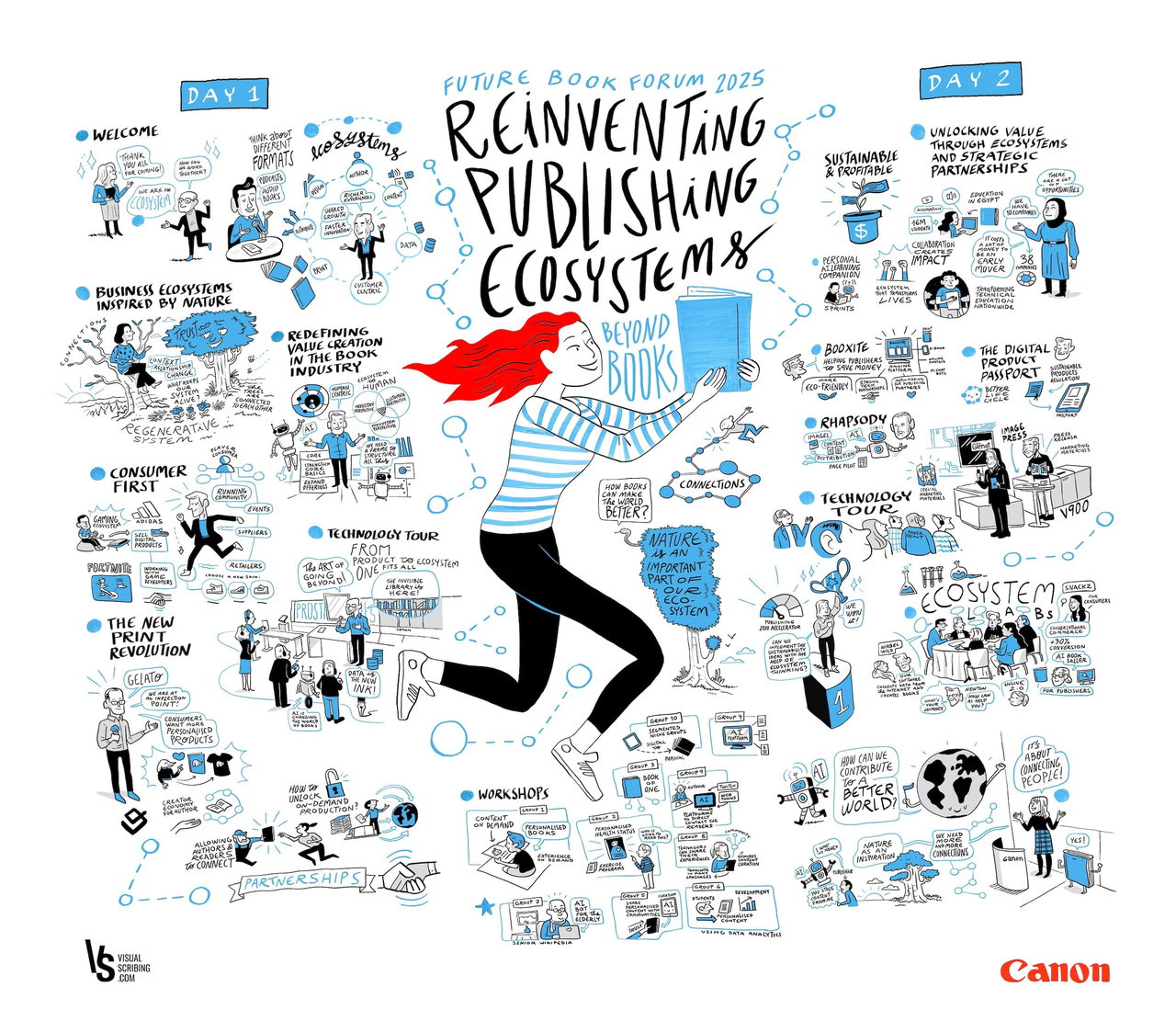
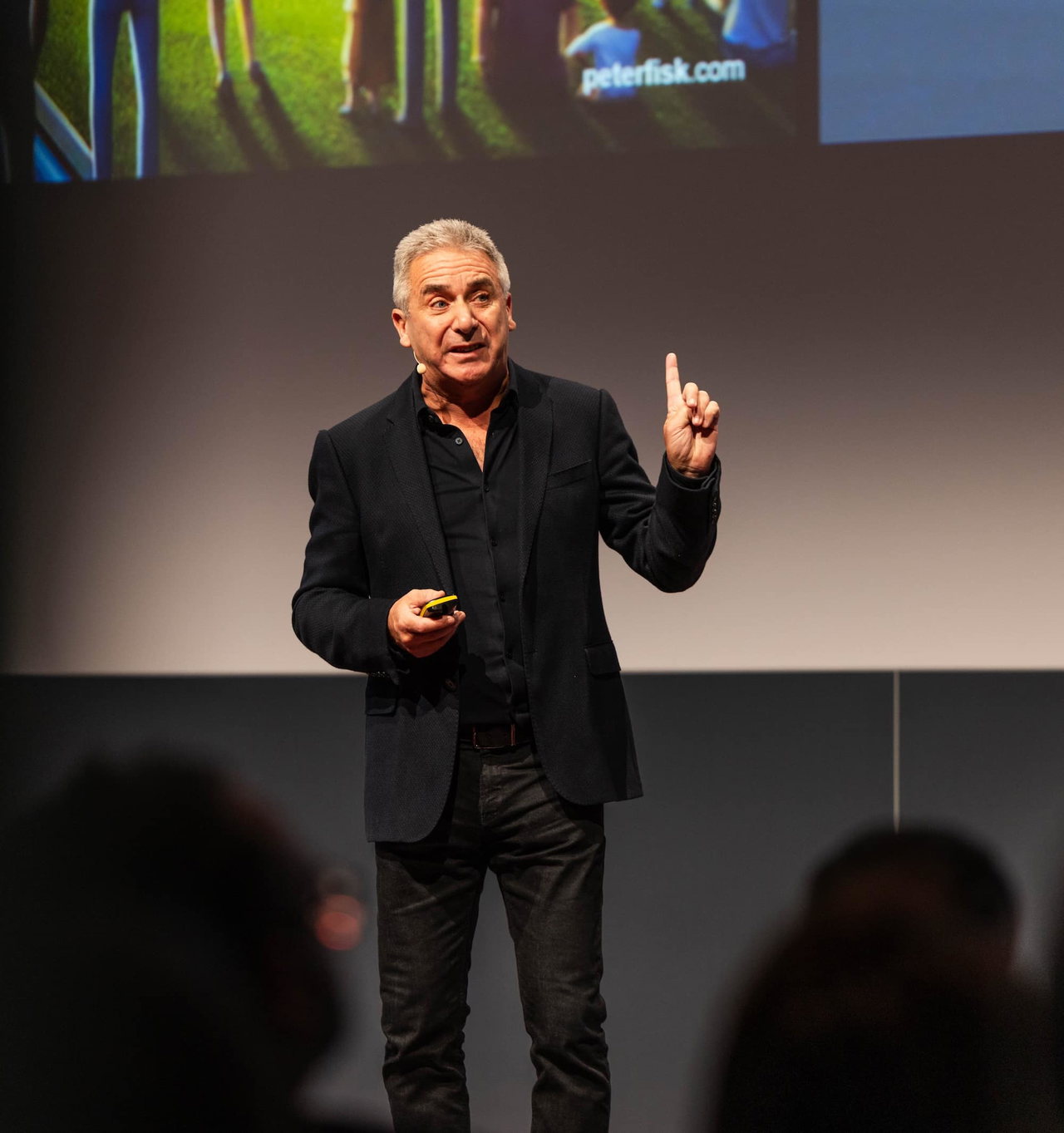
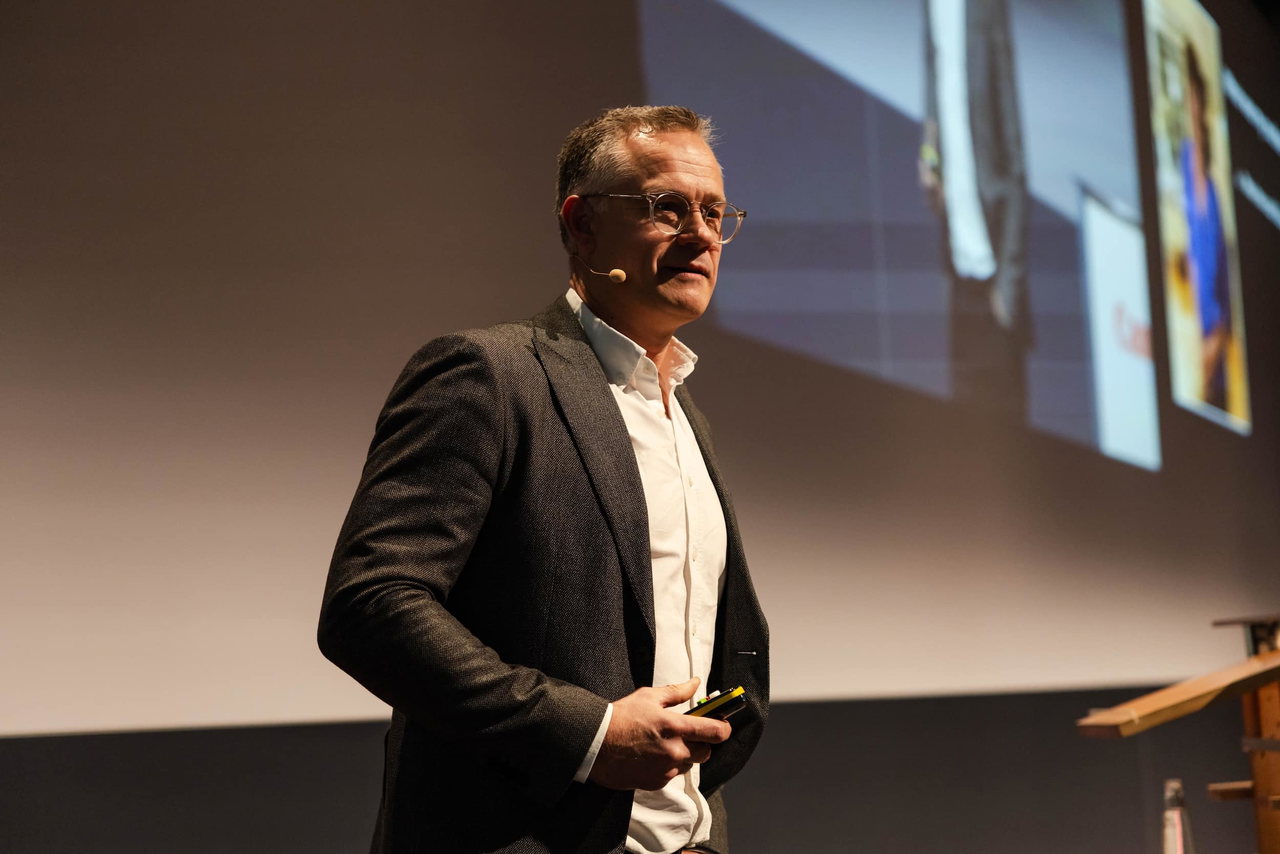
The Future Book Forum (FBF), organised by Canon for the eleventh time in November in Poing near Munich, was a welcome departure from the usual pattern – and actually provided valuable inspiration for publishing practice. ‘Beyond books. Reinventing publishing ecosystems’ was the theme of the two-day congress, which was brought to the fore by the two FBF thought leaders, management consultant Peter Fisk and Jörg Engelstädter, European Business Development Manager and Founder of the Future Book Forum, Canon Europe, with the support of their advisory board.
The background: The publishing industry is facing six megatrends that are forcing it to significantly change its business models. ‘The next decade will not be characterised by incremental progress, but by fundamental changes in the way the world works,’ says Peter Fisk, who outlined the megatrends. ‘Megatrends are not background noise, but the blueprint for the future. From AI to an ageing population to climate collapse and geopolitical ruptures, the companies that will succeed are those that reinvent themselves in response to the tectonic forces reshaping society.’
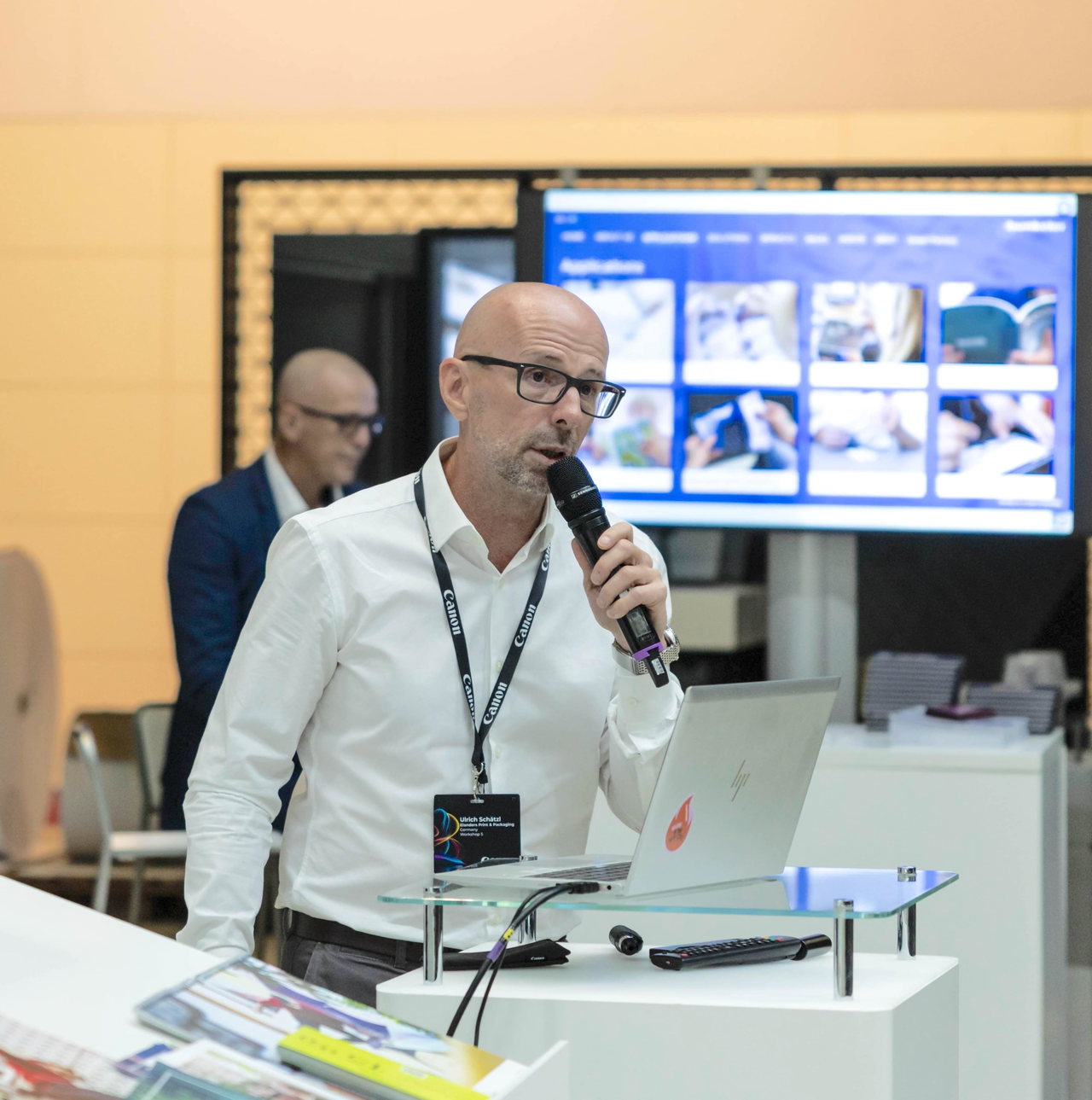
One answer: The entire economy, including publishing, is evolving beyond traditional industry and product boundaries into dynamic ecosystems that connect creatives, technology, communities and business models. Against the backdrop of the six megatrends, publishers, printers, creatives and other industry players have the opportunity to adapt to the changed environment and succeed together – not as isolated players, but as networked partners who create shared value. ‘From silos to synergies’ is how Ulrich Schätzl from Elanders summed up the core principle.
FBF: inspiring presentations, innovative discussion and co-creation formats
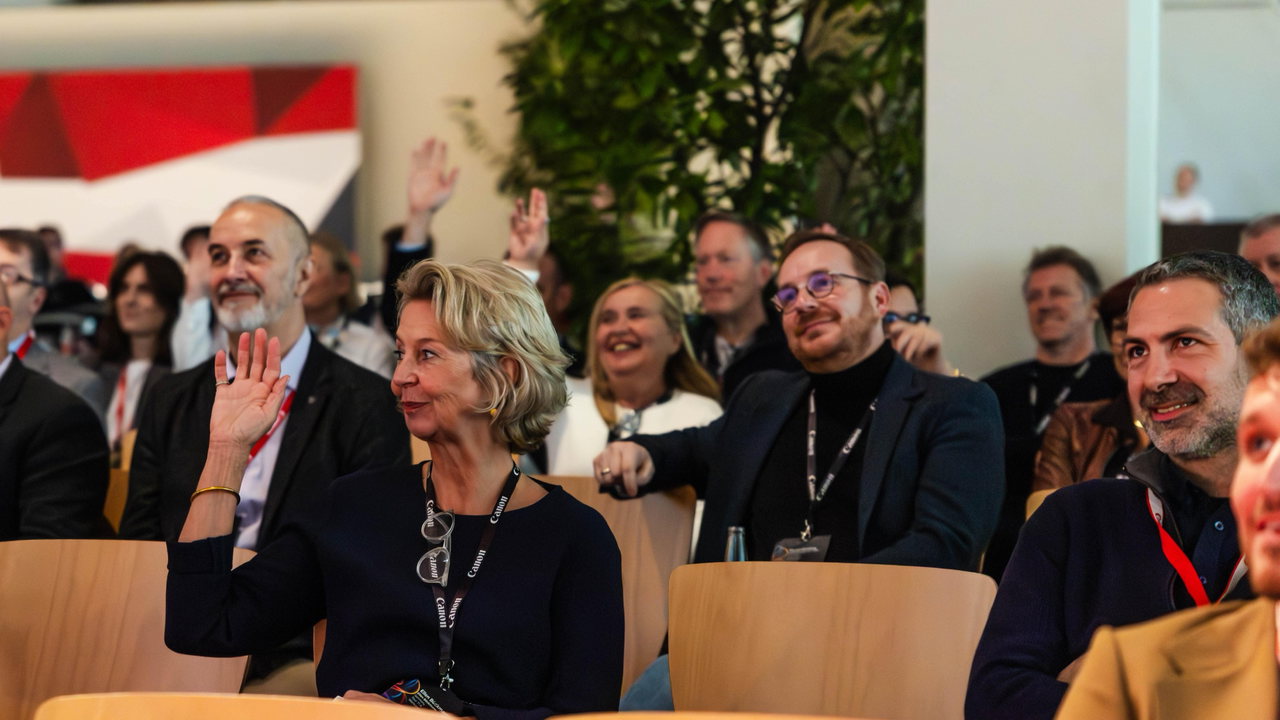
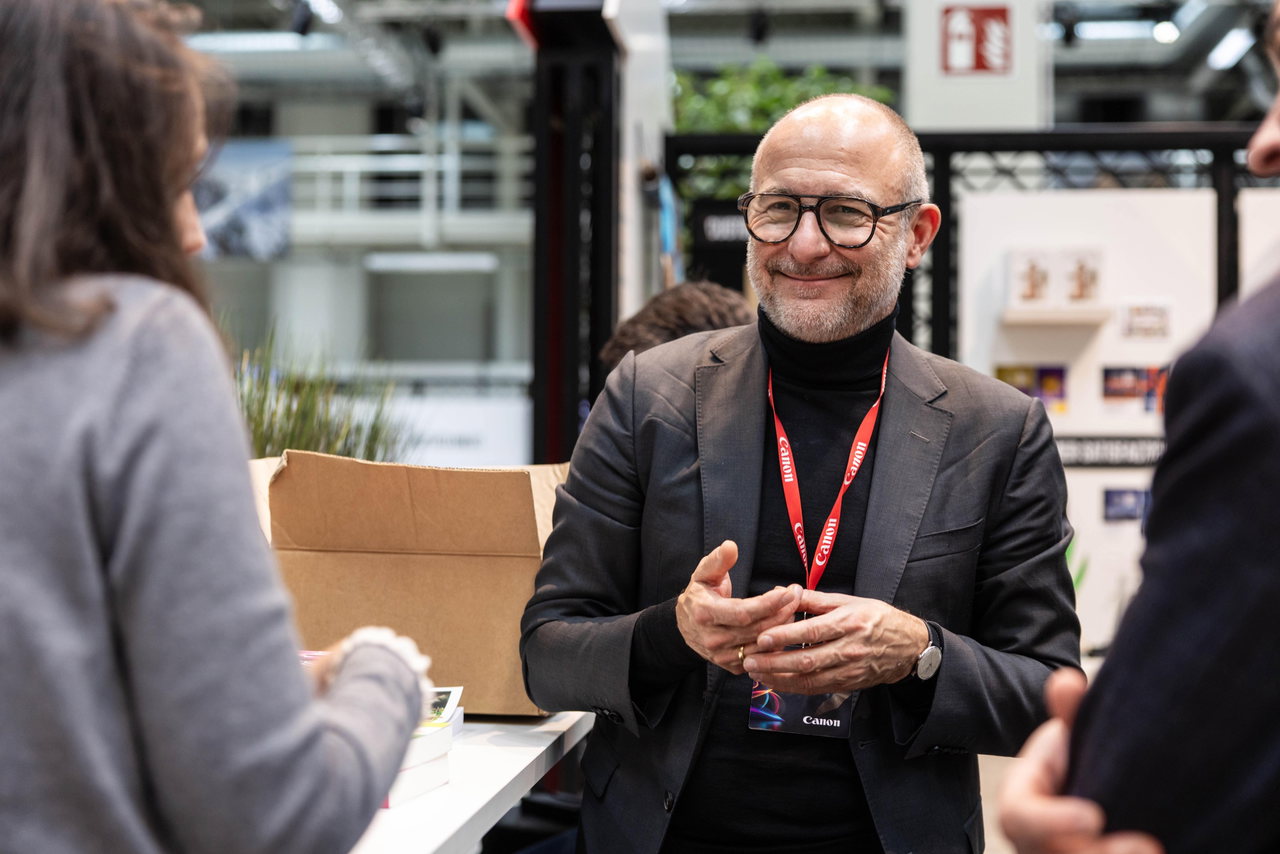
So far, so good: The Canon team and Fisk are certainly not the first to have developed a good theme for a conference with a great deal of experience. But that's where the special thing about the FBF comes in: The organisers succeeded in illuminating this theme (business ecosystems for the publishing industry) from different angles, providing concrete or at least hypothetical examples and putting it into practice – through inspiring presentations and innovative discussion and co-creation formats. It would go beyond the scope of this article to paint the complete picture here, but here is an overview of some aspects.
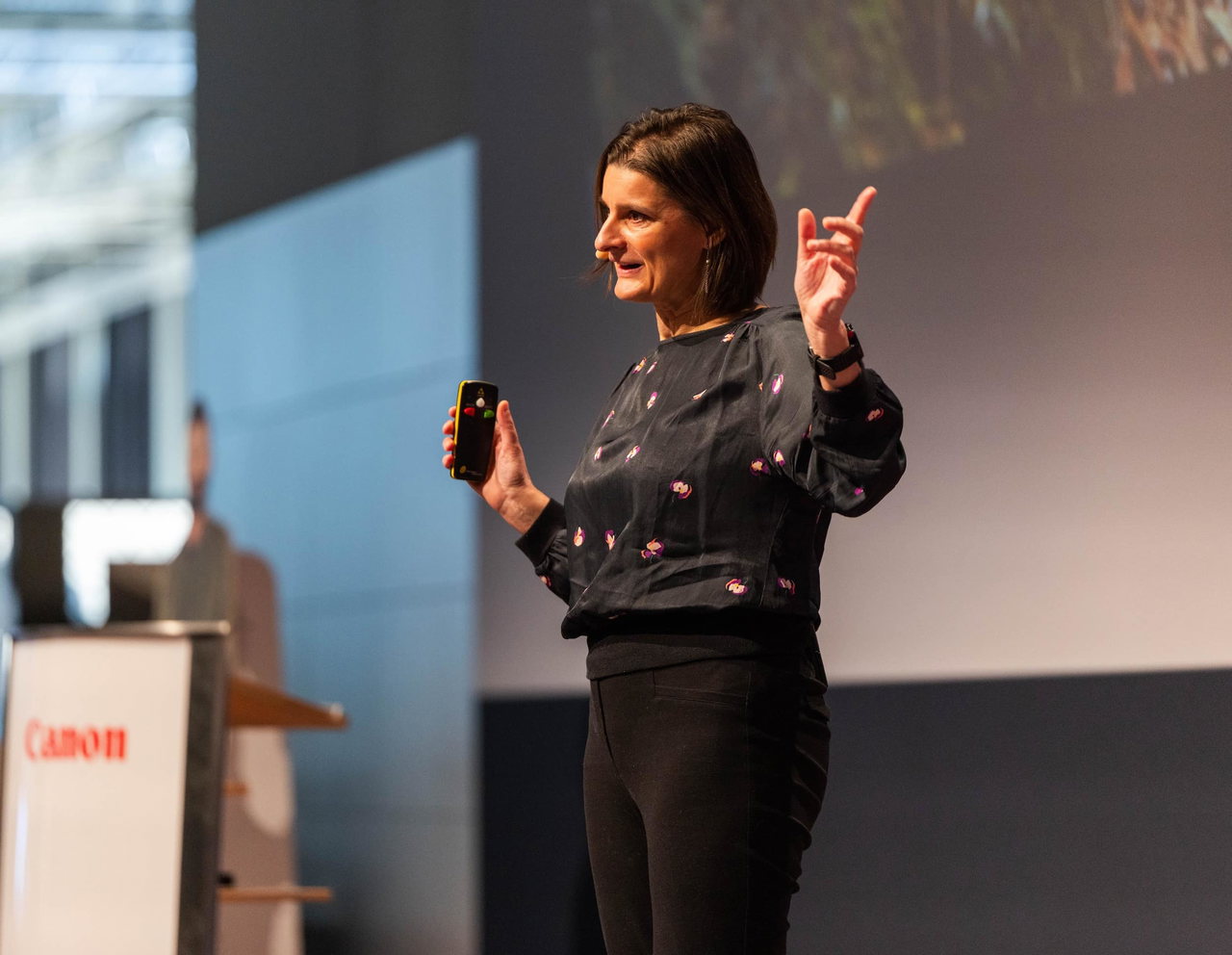
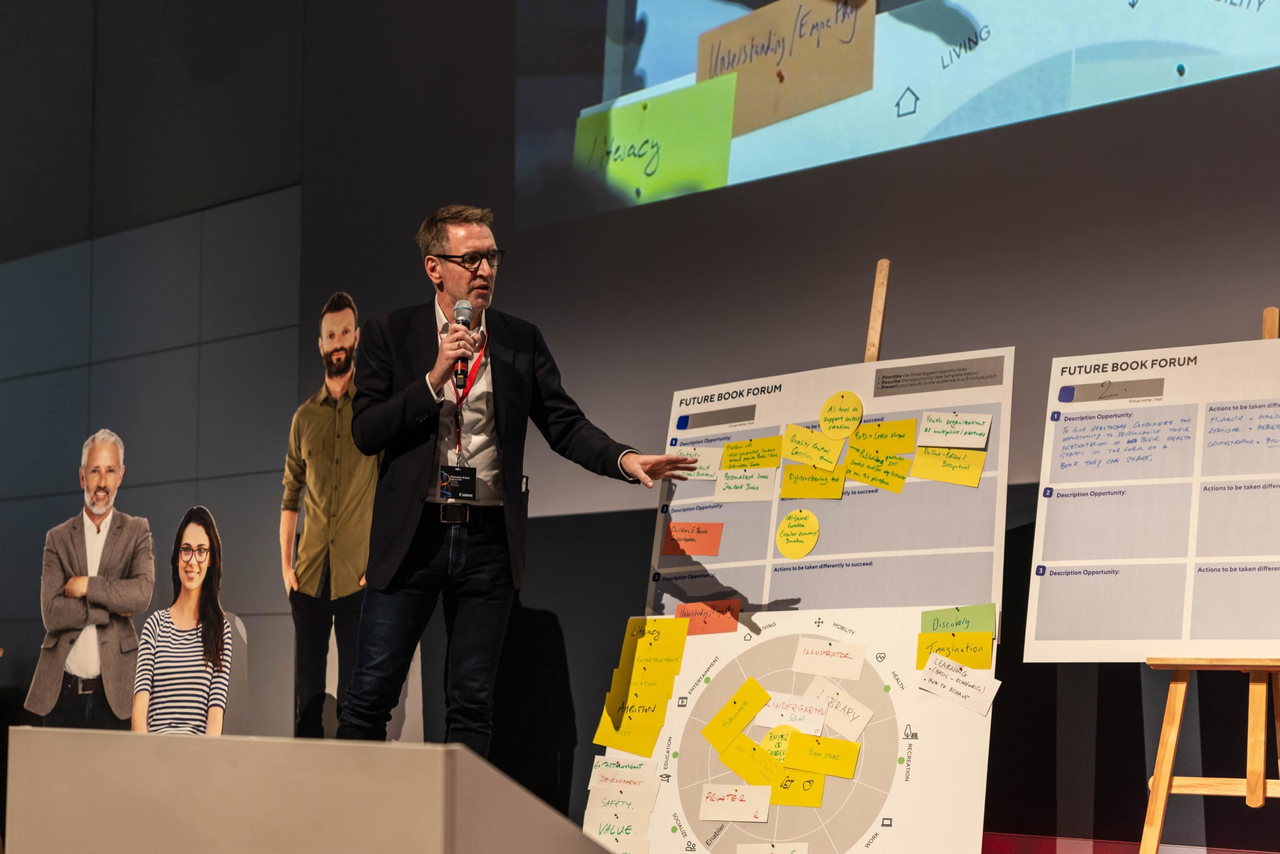
From impulse to idea – the Ecosystem Jams
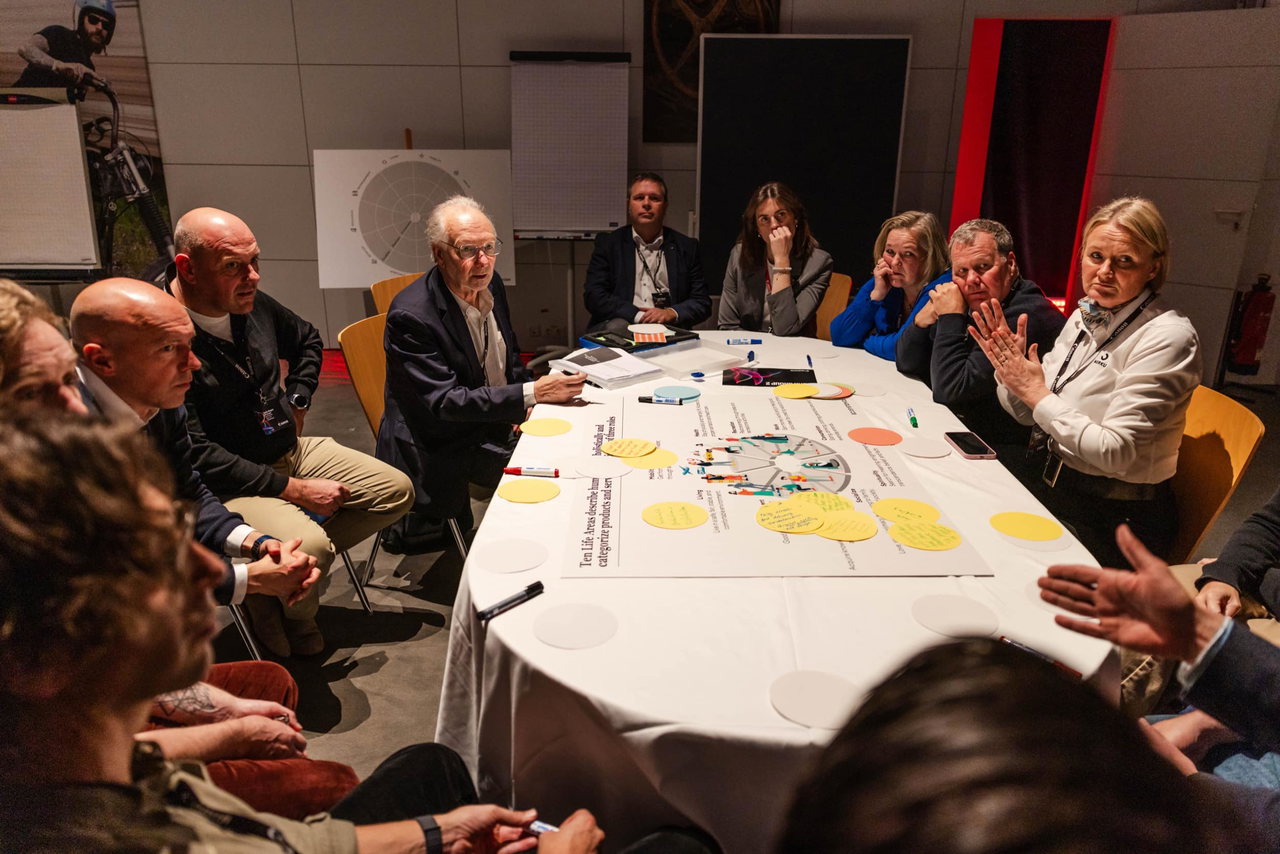
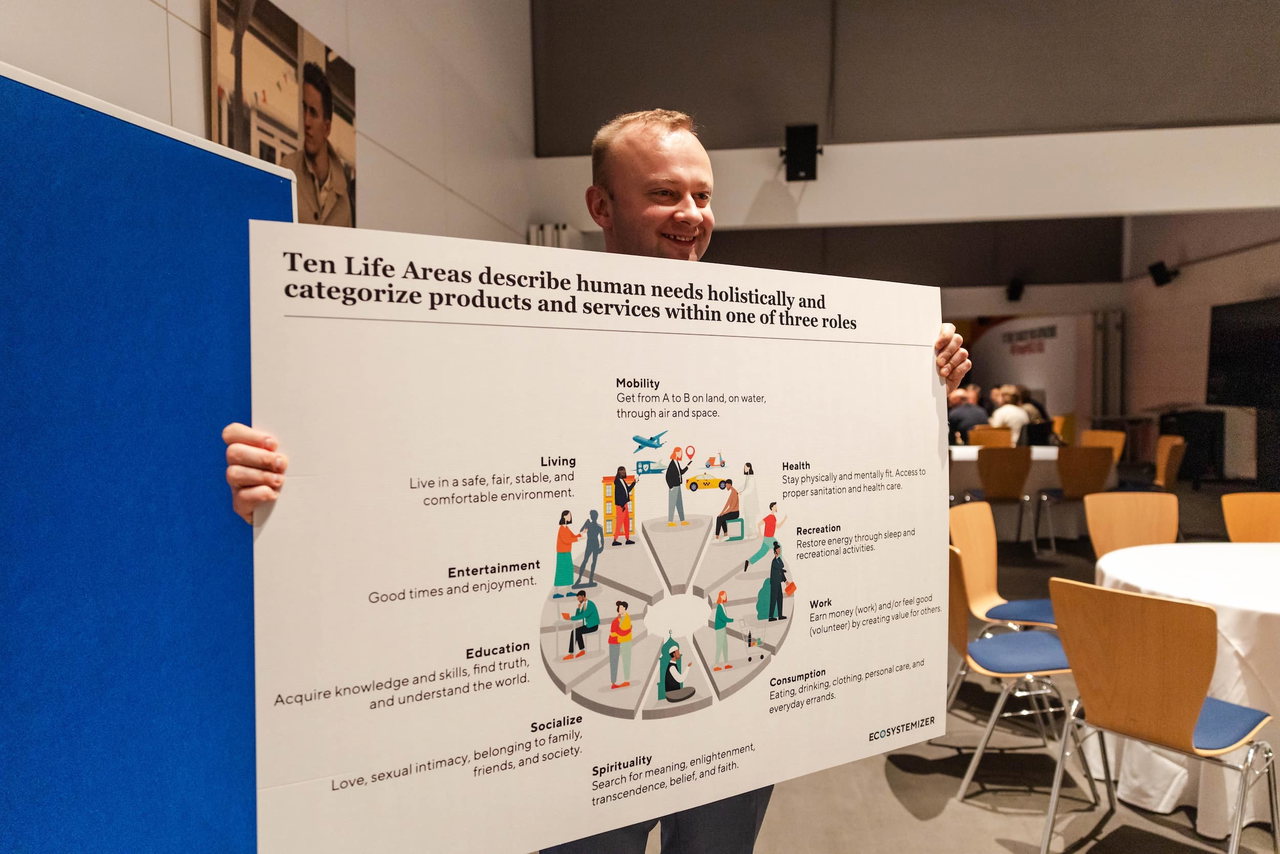
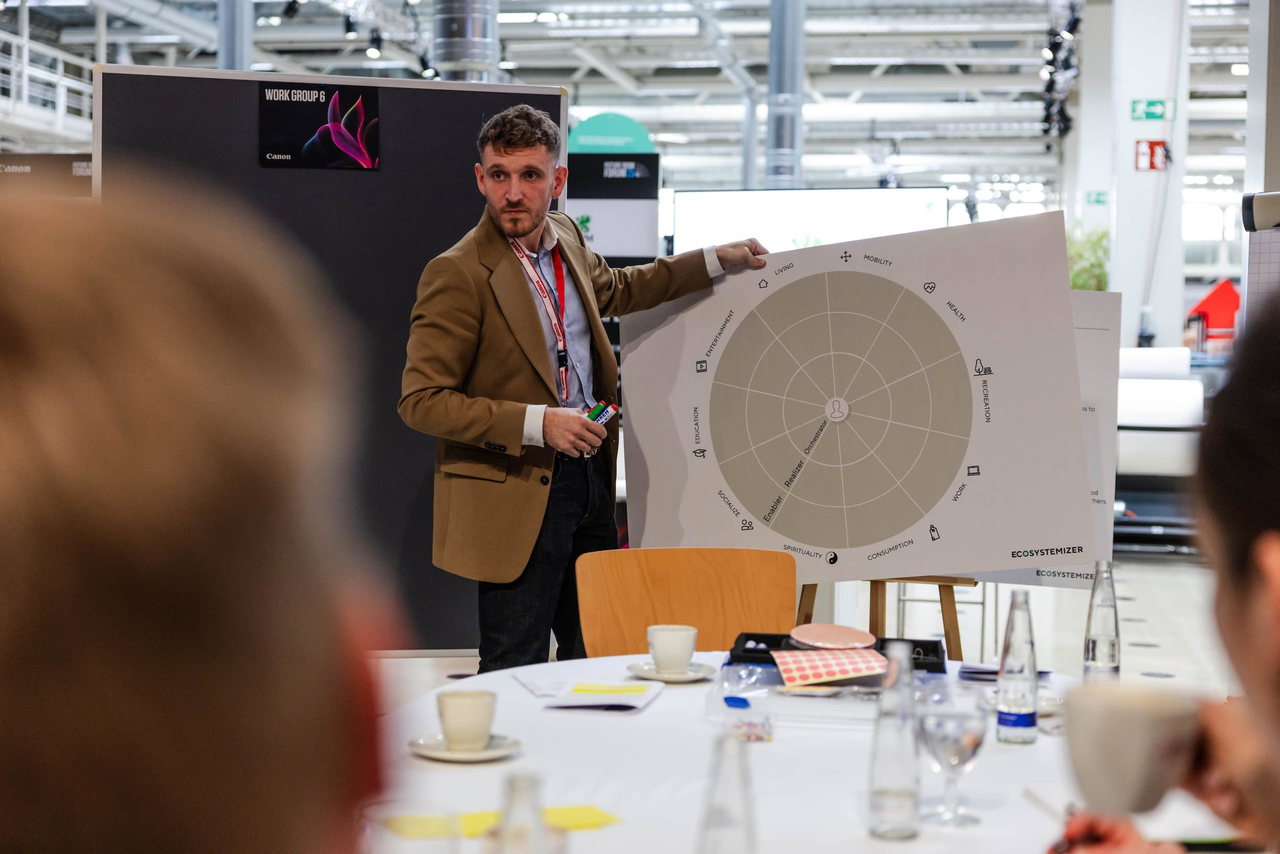
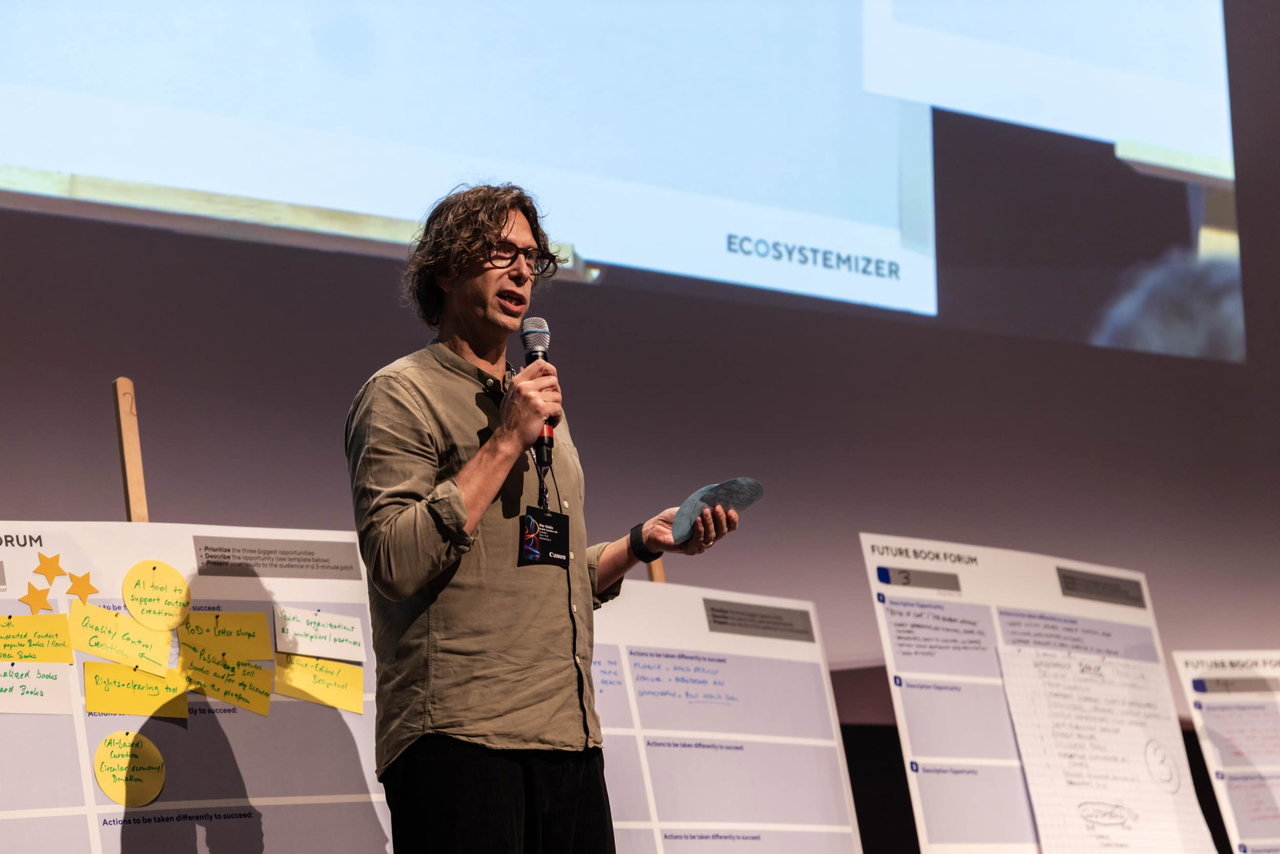
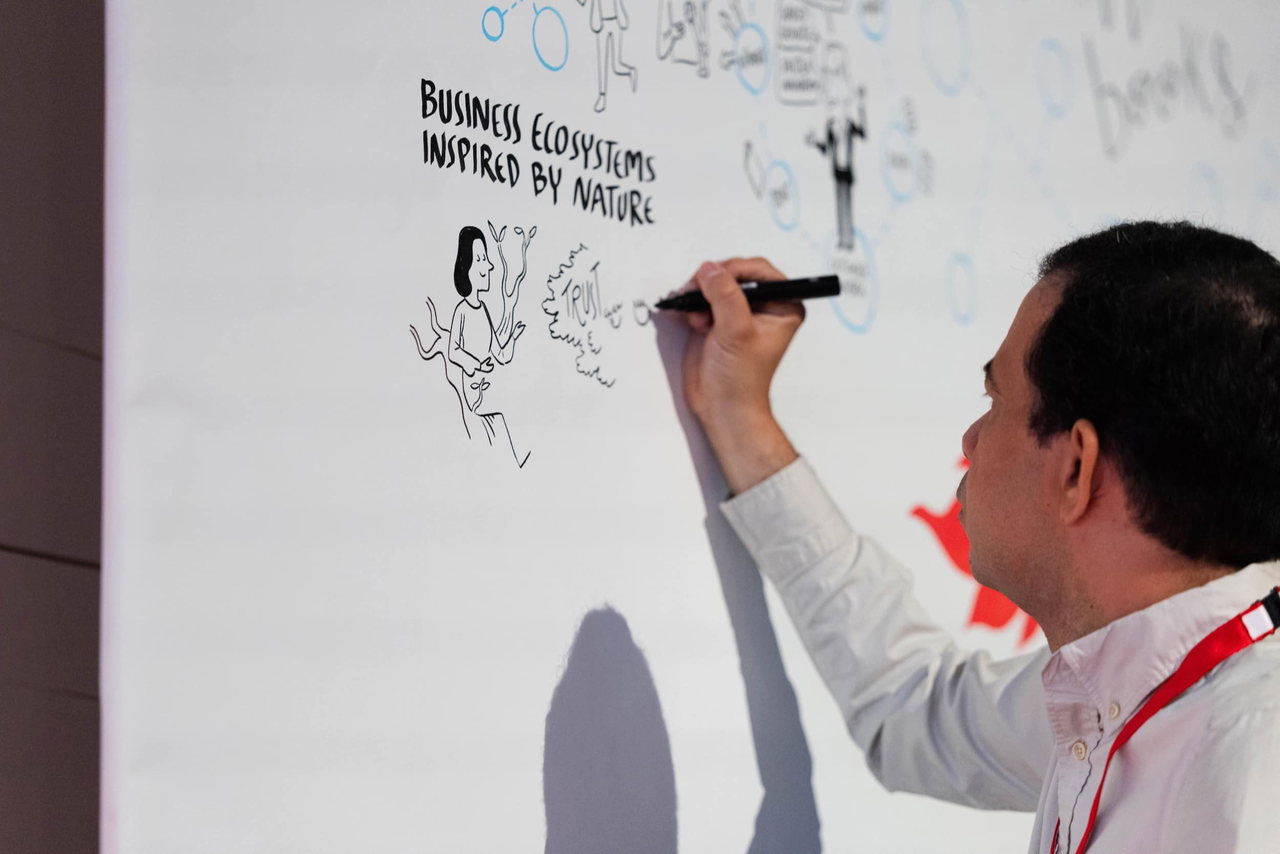
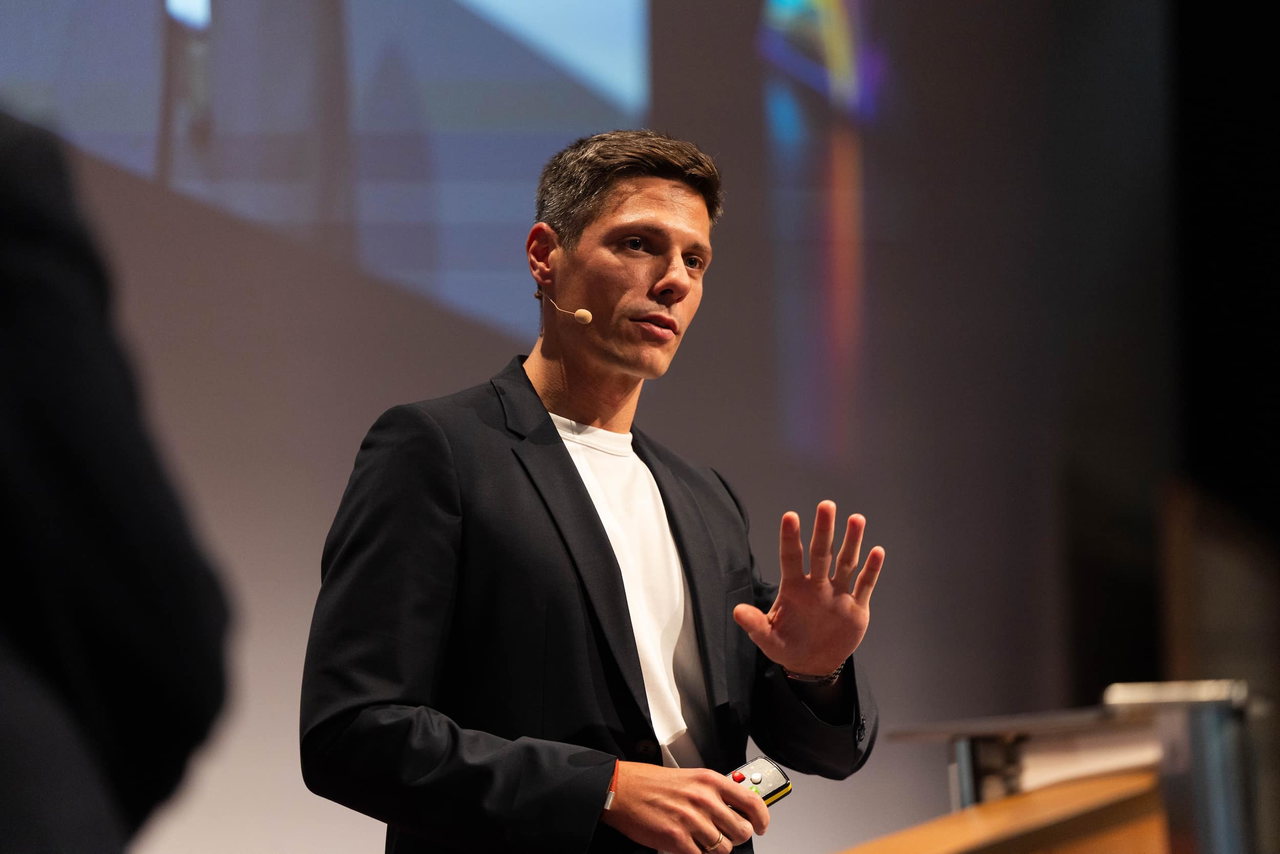
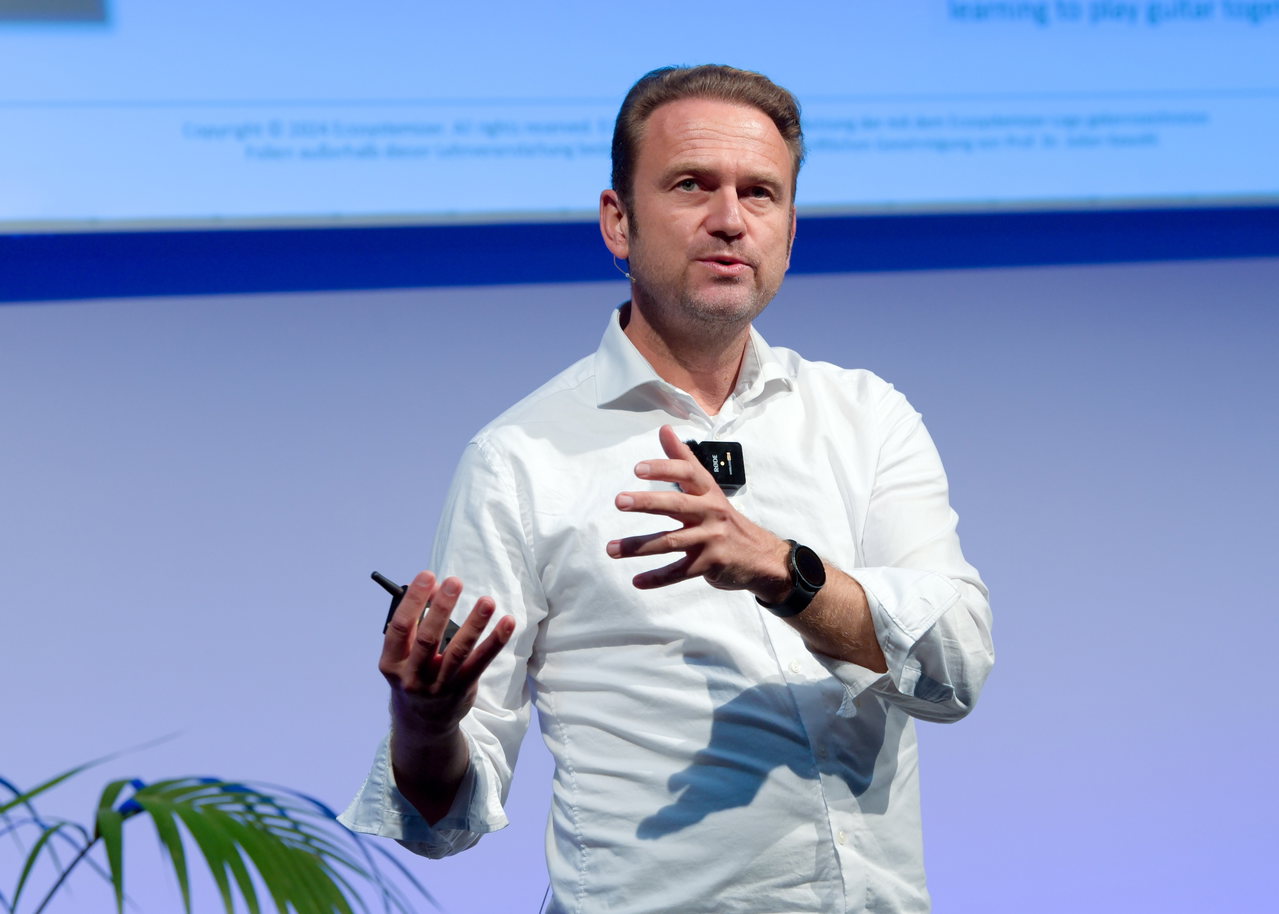
Building a bridge to translate these impulses into practice and initial ideas was the task of Julian Kawohl, Professor of Strategic Management at the Berlin University of Applied Sciences. His company, Ecosystemizer, helps traditional companies to think and act like digital ecosystems. His thesis: if companies want to operate according to the principles of ‘connected’, “digital” and ‘sustainable’, they will only succeed in doing so by collaborating in an ecosystem. The former head of the strategy department at AXA Germany has provided a template in the form of the ‘Ecosystem Strategy Map’, which companies can use to find their role in newly emerging value creation networks or analyse existing ecosystems – Kawohl examined, for example, guitar manufacturer Fender and chip maker NVIDIA, which have long since left their original domain and expanded their business models (here is the interview with Julian Kawohl, here is more information about his Ecosystemizer method).
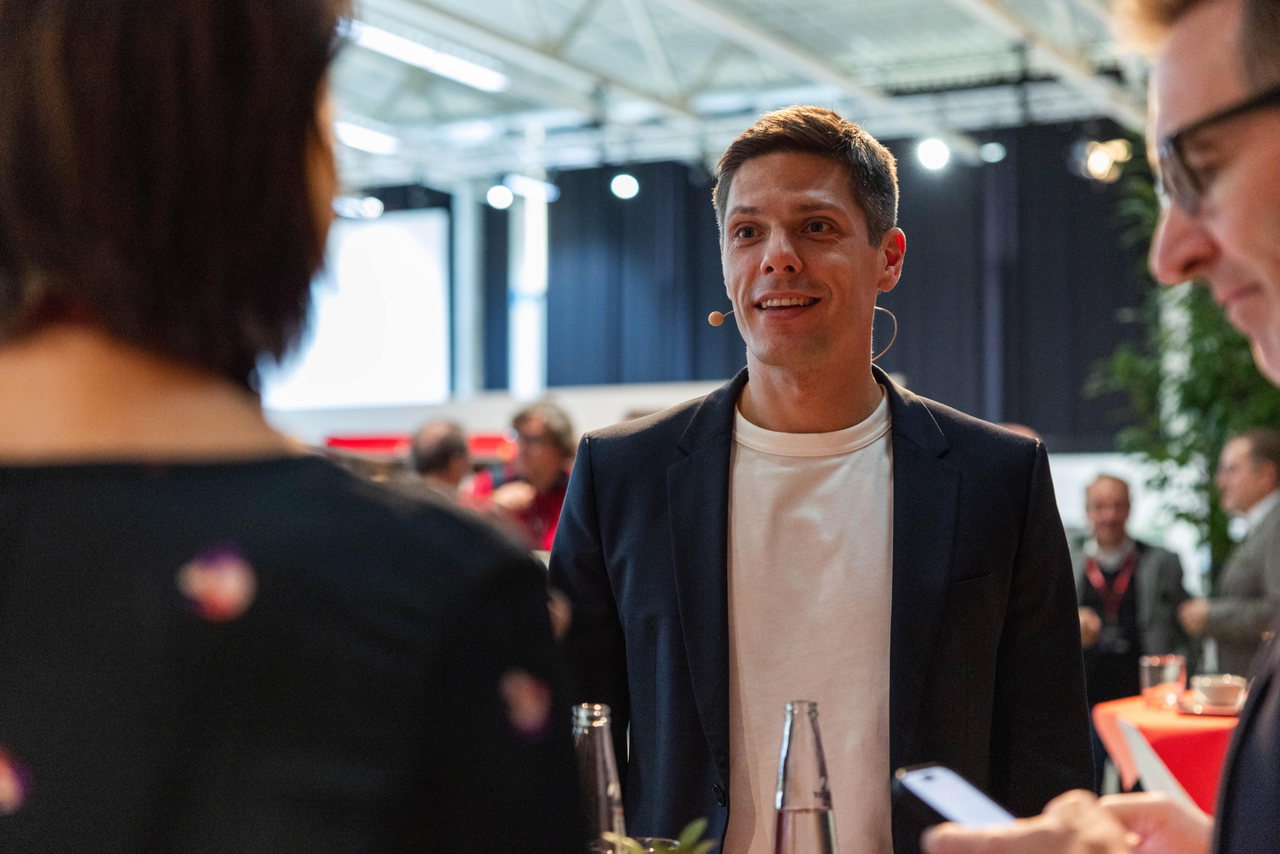
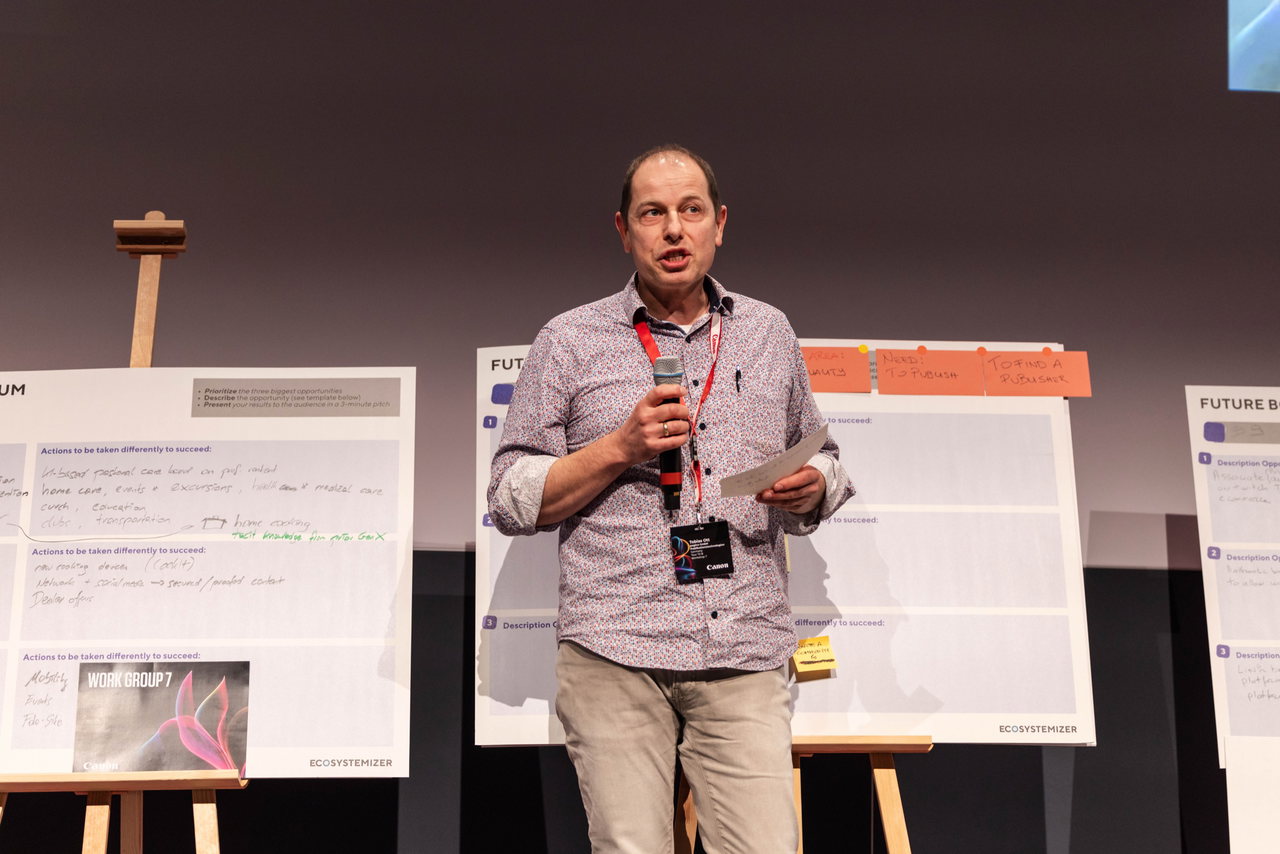
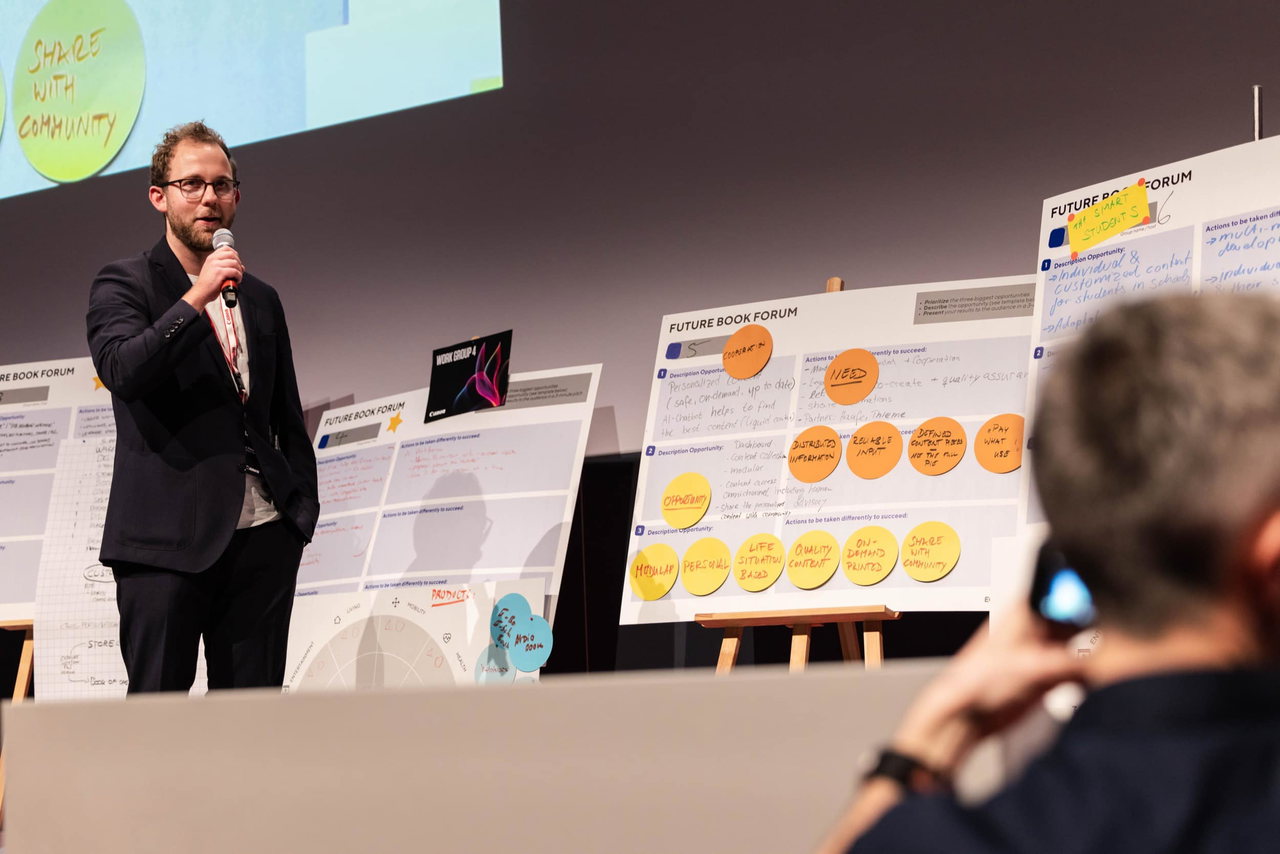
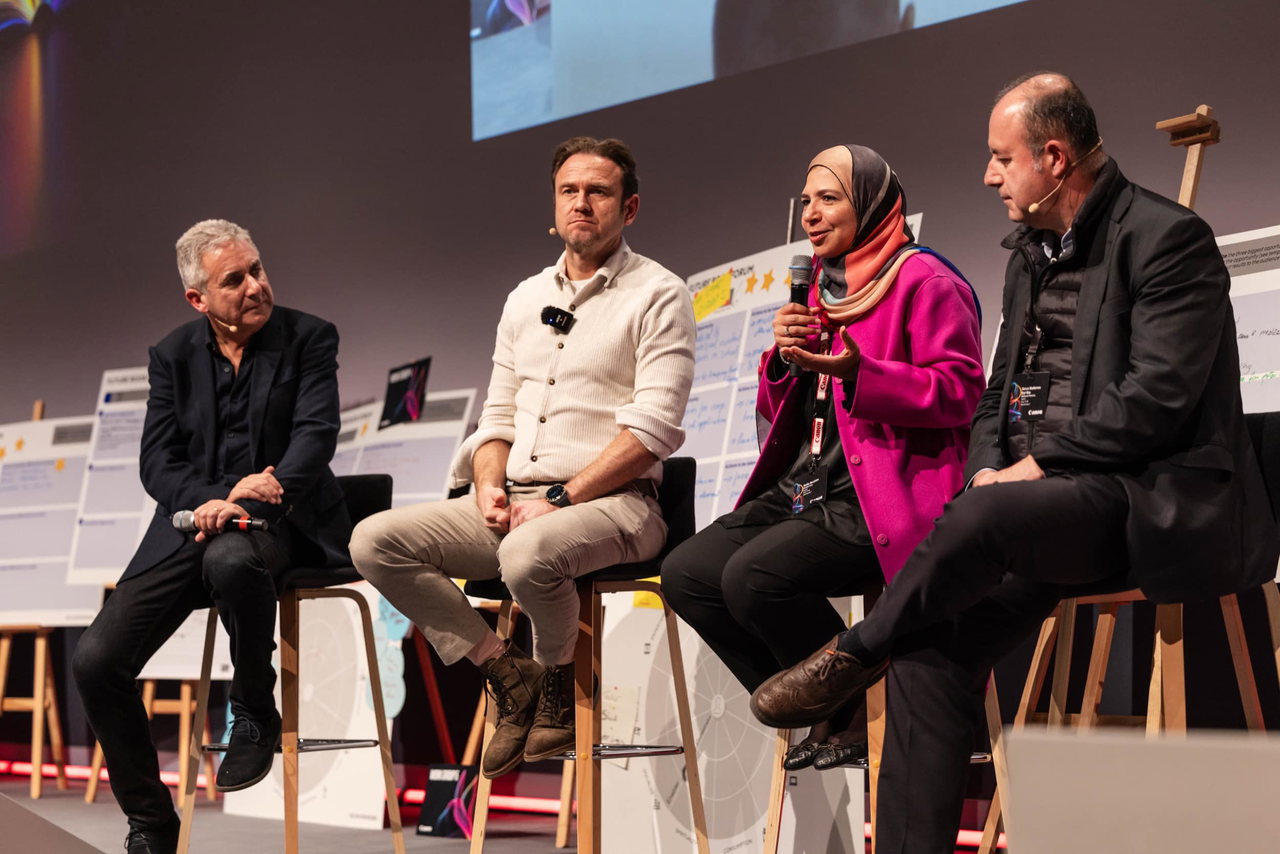
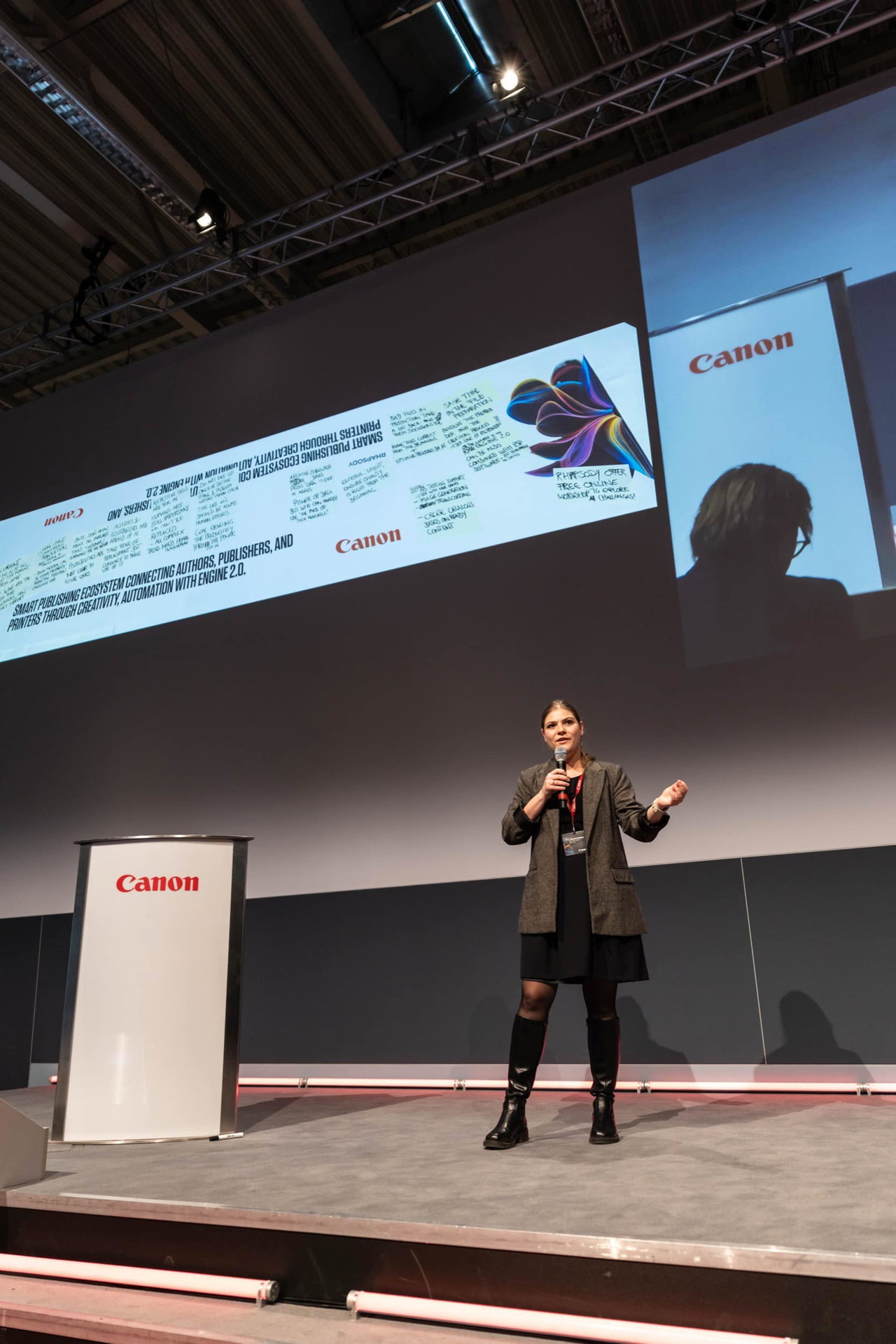
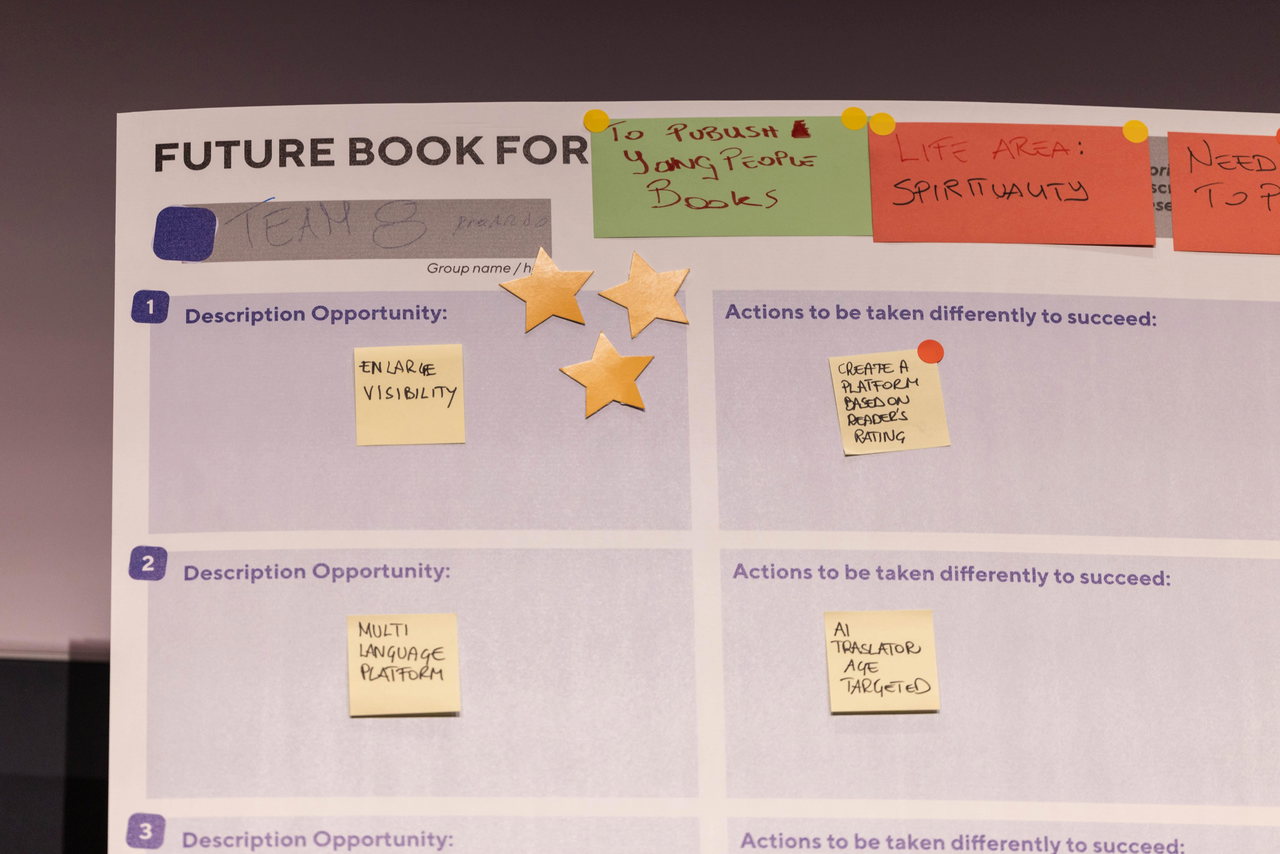
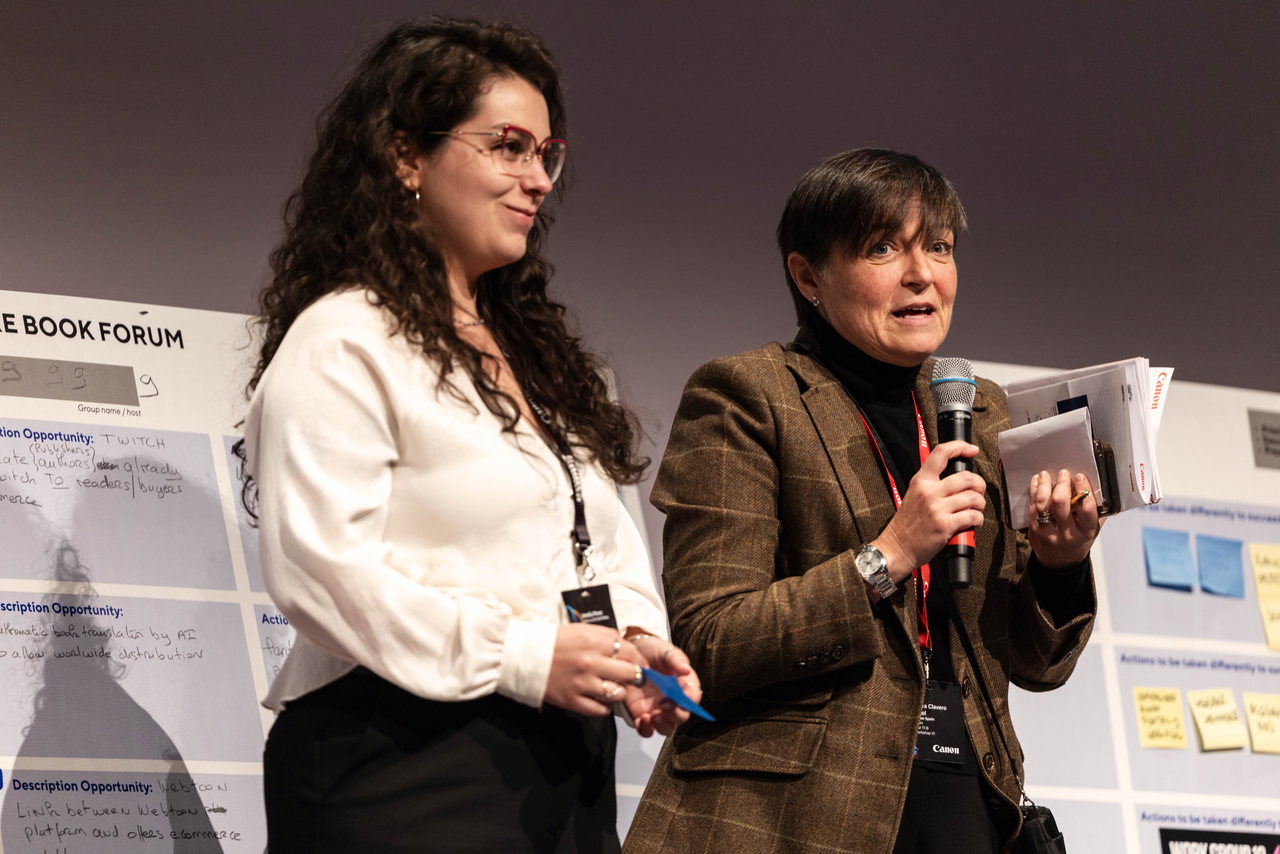
And on the first day of the FBF conference, guests used this very Ecosystem Strategy Map to sketch out ideas for new products that could only be successful through the power of ecosystems. The ideas were then pitched on stage and evaluated by an expert jury: Dalia Ibrahim, publisher at Nahdet Misr, Jesús Badenes del Río, publisher at Planeta (here is an interview with him on the opportunities of print on demand), and Ecosystemizer inventor Julian Kawohl. What normally takes days was achieved at Canon in a few hours, resulting in fascinating ideas that are just waiting to be developed. Incidentally, the winning team was led by Tobias Ott (Pagina, photo below), who outlined a chatbot for pastoral care for older people, in which a RAG system accesses advice content from publishers. His credo: ‘We can't let ChatGPT do this job on its own!’
Young companies with ecosystem approaches – the Ecosystem Labs
At least one step further, having outgrown the concept phase, are the companies that presented themselves as part of the ‘Ecosystem Labs’ – companies whose business models go beyond the boundaries of traditional publishing or publishing services and incorporate network or even ecosystem components. Some examples:
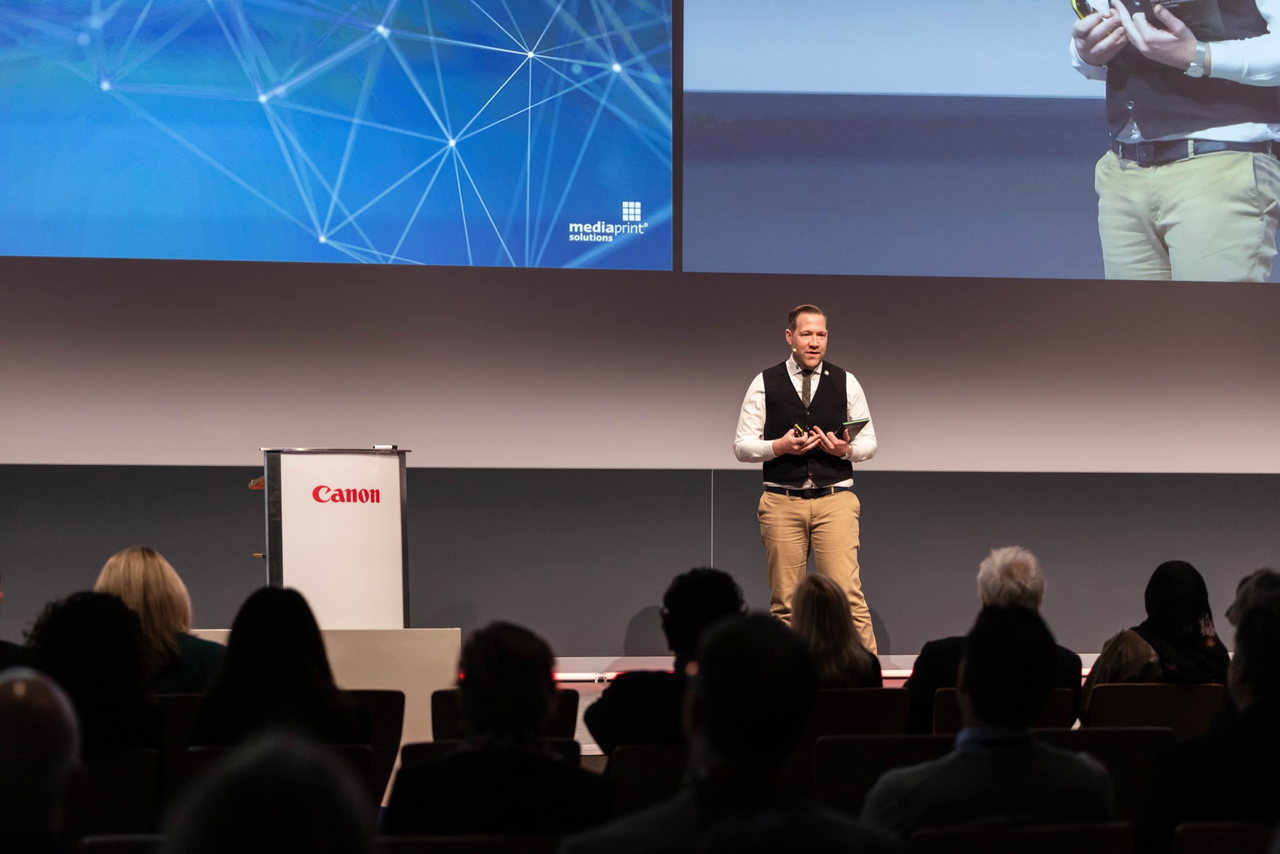
Hermann Eckel presented the Booxite publishing platform developed at Pagina, which uses ecosystem thinking to merge print and digital processes in collaborative dialogue with other companies.
Dominik Haacke (Mediaprint Solutions) demonstrated how the digitisation of product data (‘Digital Product Passport’) enables transparency and traceability of products and thus also deeper and data-supported collaboration along the entire publishing value chain.
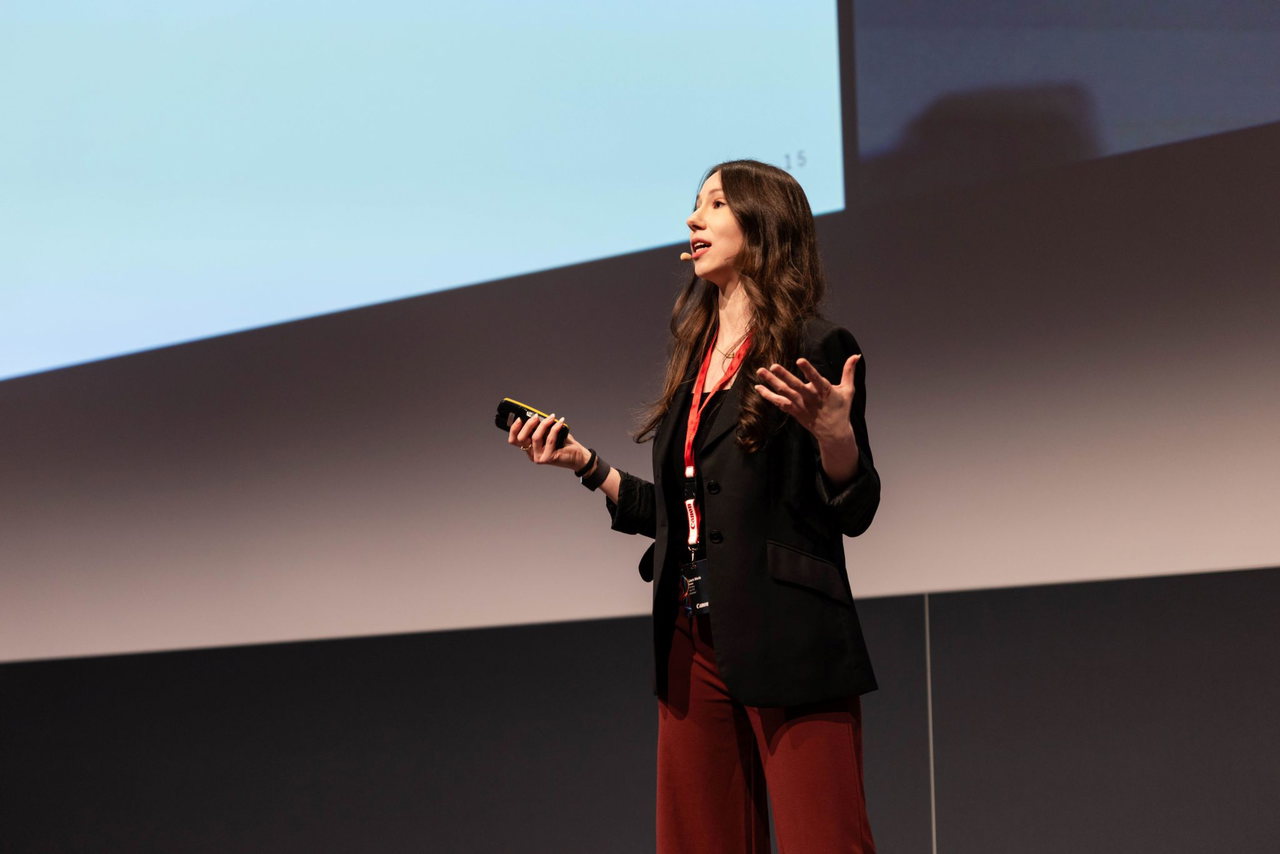
Laura Werle and Julia Claren (SnackzAI) use AI to transform content consumption into personalised and easily digestible ‘learning snacks’ and contextual summaries. Through intelligent curation, the technology transforms the discoverability of book titles, increases reader engagement and scalability.
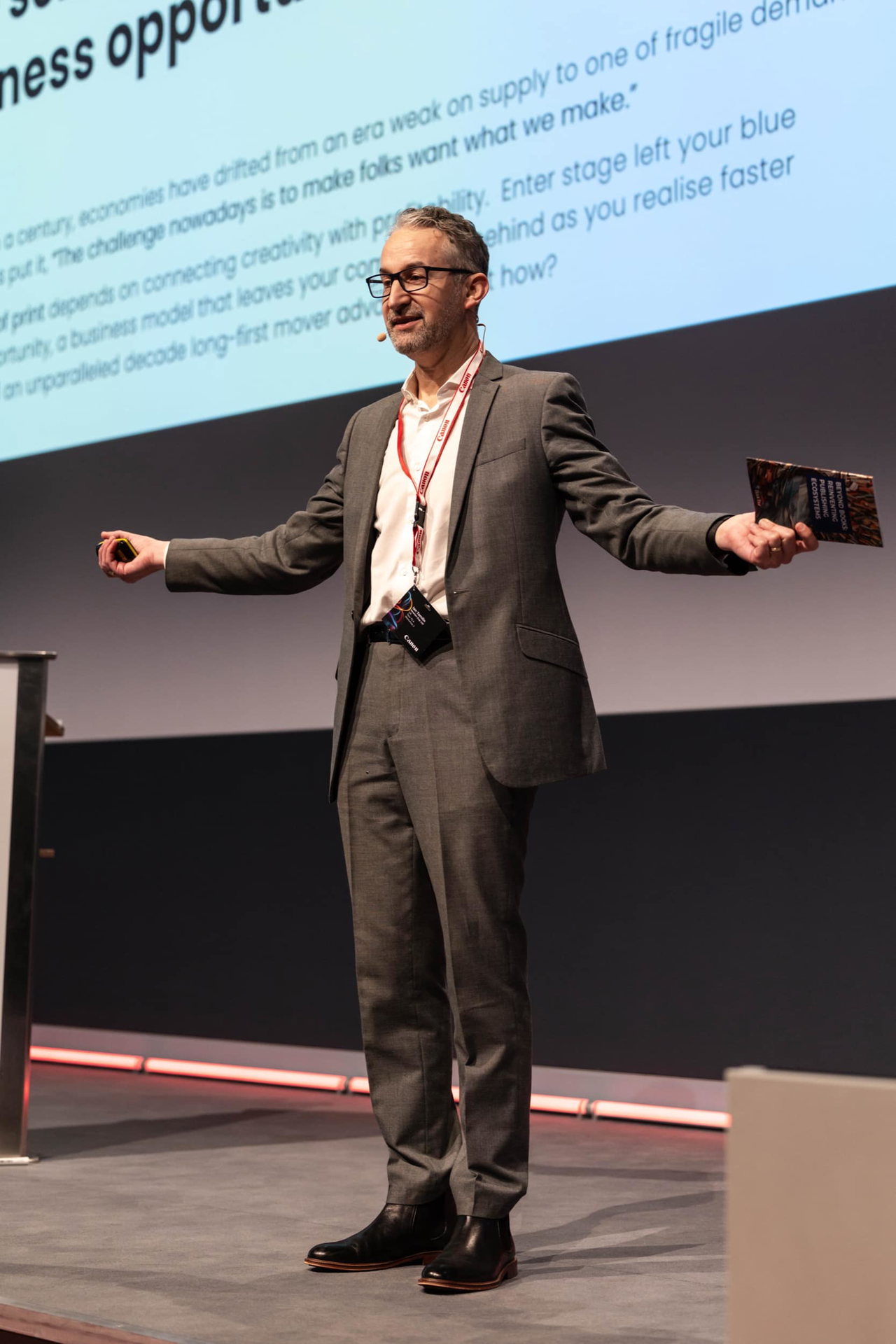
Ian Tomlin (Newton Day) and Andy Berg (Rhapsody) showed how the publishing process and print production can be optimised through AI in conjunction with print-on-demand. Costs and turnaround times are reduced, while at the same time automation unleashes the creativity and willingness of producers to experiment with new book applications.
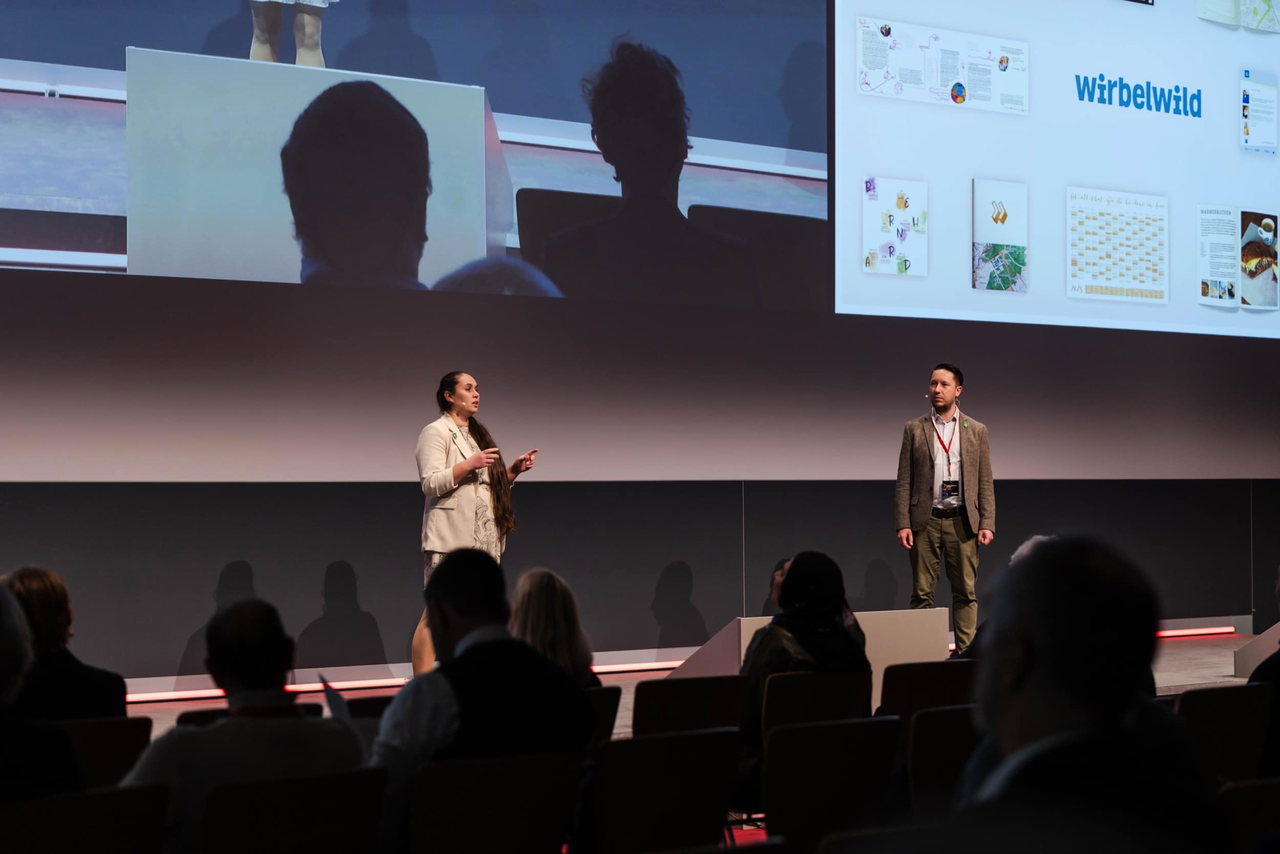
Deborah and Tobias Köngeter (WirbelWild) feed customer data into layout software to create high-quality personalised print products.
Learning from established publishing ecosystems
While some of the latter examples are still operating in start-up mode and refining their profile, other companies have already been implementing the ecosystem concept on a broad scale for years.
Education giant from Egypt
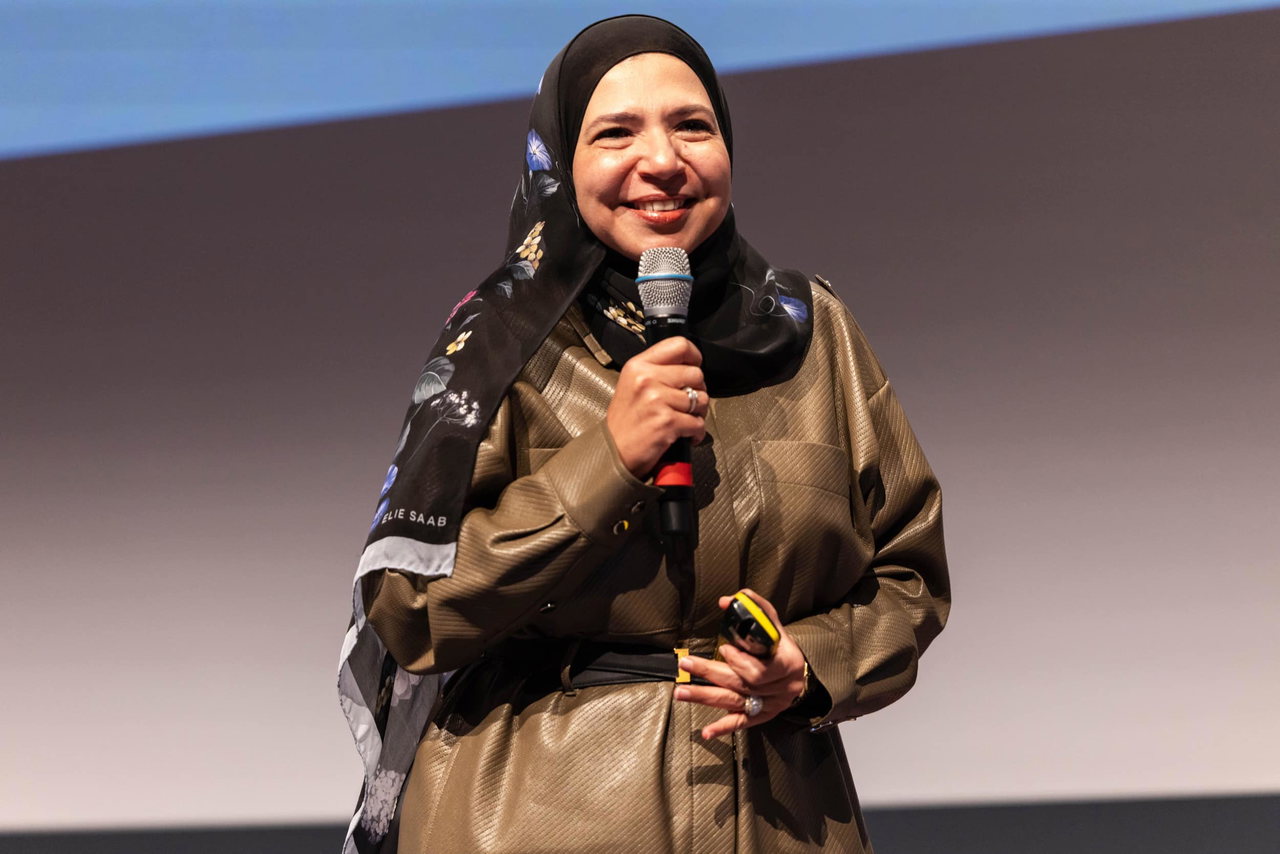
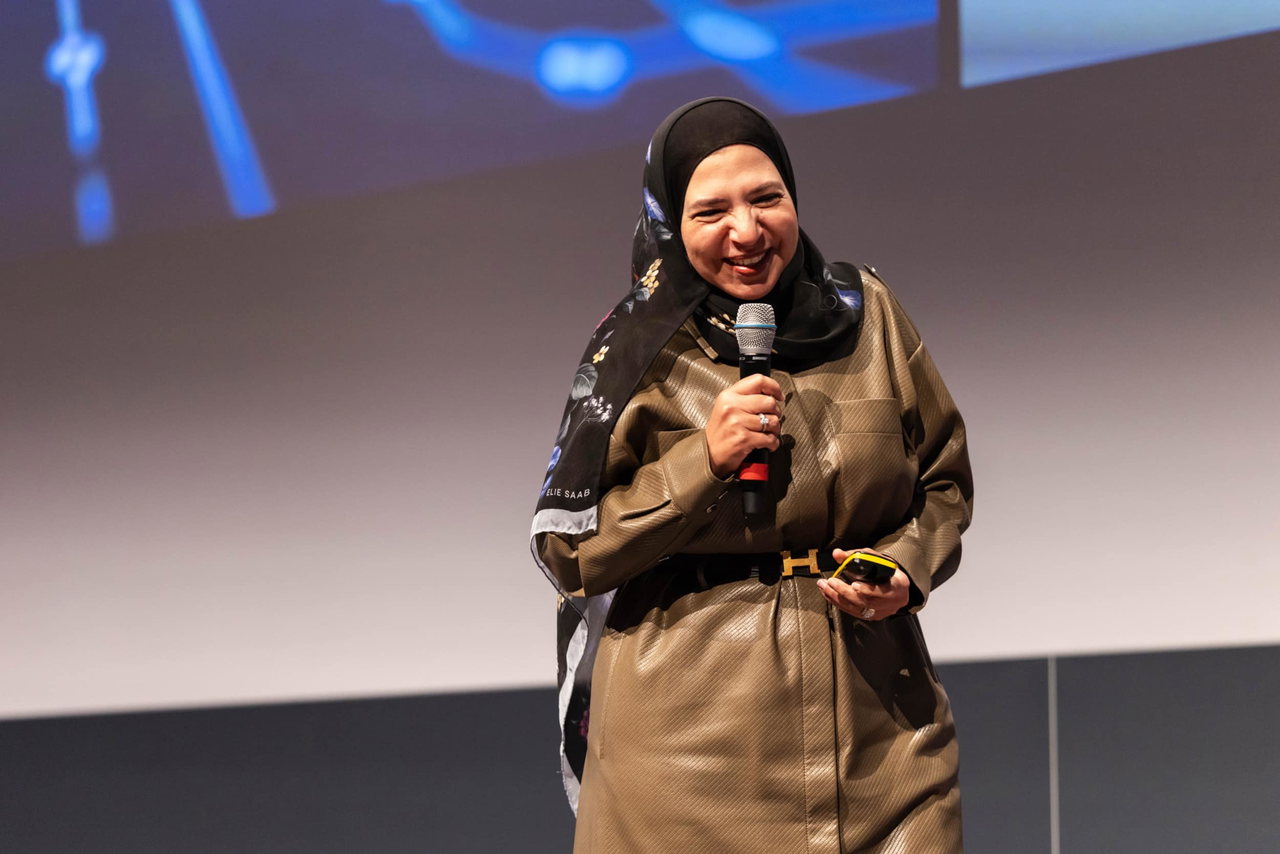
Nahdet Misr Publishing no longer just produces textbooks. Under the leadership of CEO Dalia Ibrahim (photo) – according to Forbes, she is one of the 100 most influential female entrepreneurs in the Middle East – the 86-year-old Egyptian publishing house has developed into something far more ambitious: an ecosystem developer that connects ministries, schools, EdTech start-ups, employers and learners throughout the MENA region (here is the interview with Dalia Ibrahim).
‘Spotify for books'
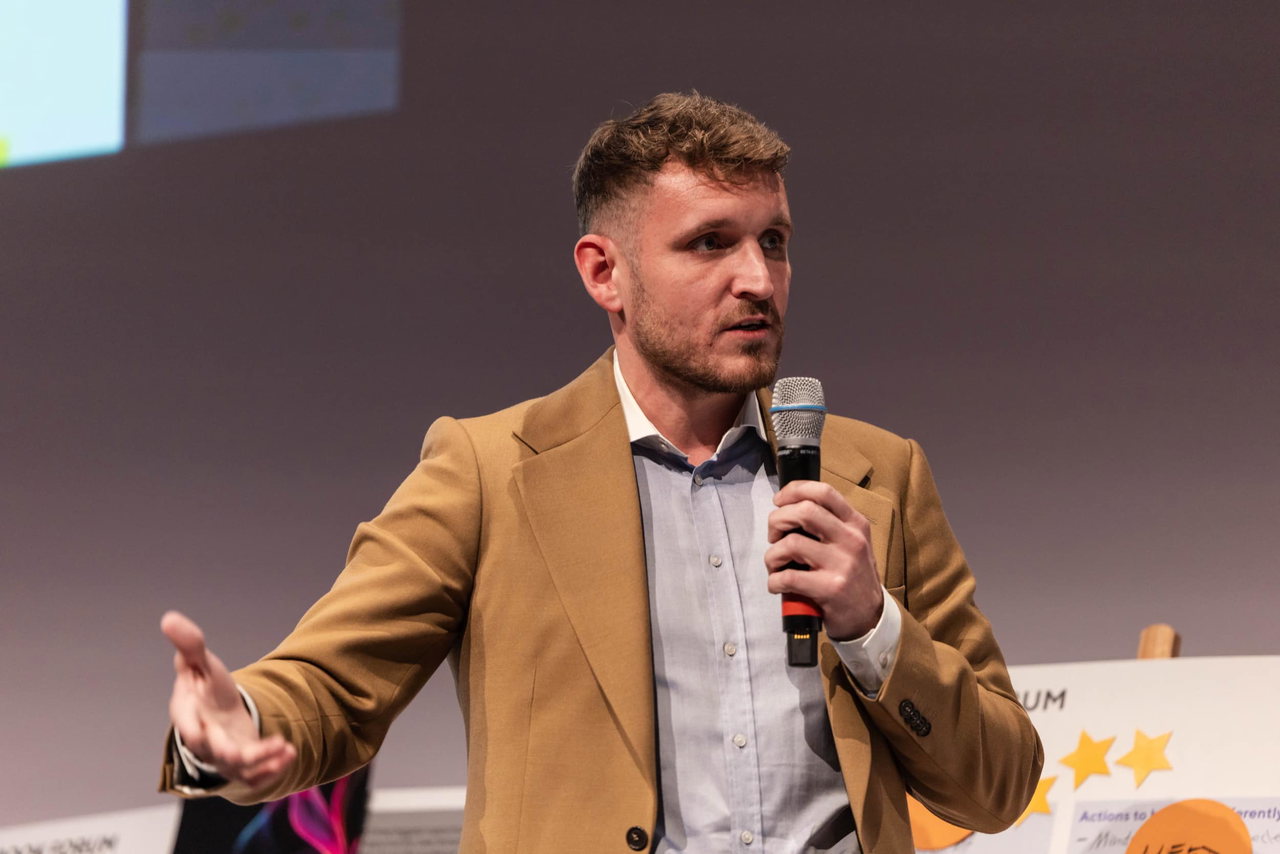
Gelato, founded in 2007 by Henrik Müller-Hansen (photo), is revolutionising traditional print logistics with a platform-based print-on-demand model that Peter Fisk describes as ‘Spotify for books’. Instead of centralised mass production with high storage costs, overproduction and global transport routes, Gelato orchestrates a network of over 30 countries with local printing partners: print products are only produced when they are ordered – at the nearest production site. This eliminates inventory risks, reduces CO₂ emissions by up to 90 per cent and enables faster delivery times at lower costs. The platform, with its mission of ‘production as a service,’ integrates seamlessly with e-commerce systems such as Shopify and Etsy and democratises access to global print production: This allows creative professionals and, increasingly, publishers and self-publishers to operate worldwide without capital risk, while established publishers can optimise their production through data-driven insights. In 2021, Gelato was valued at just over $1 billion, making it one of the few unicorns in the printing industry (here is the interview with Henrik Müller-Hansen).
Print service provider thinks decentralised
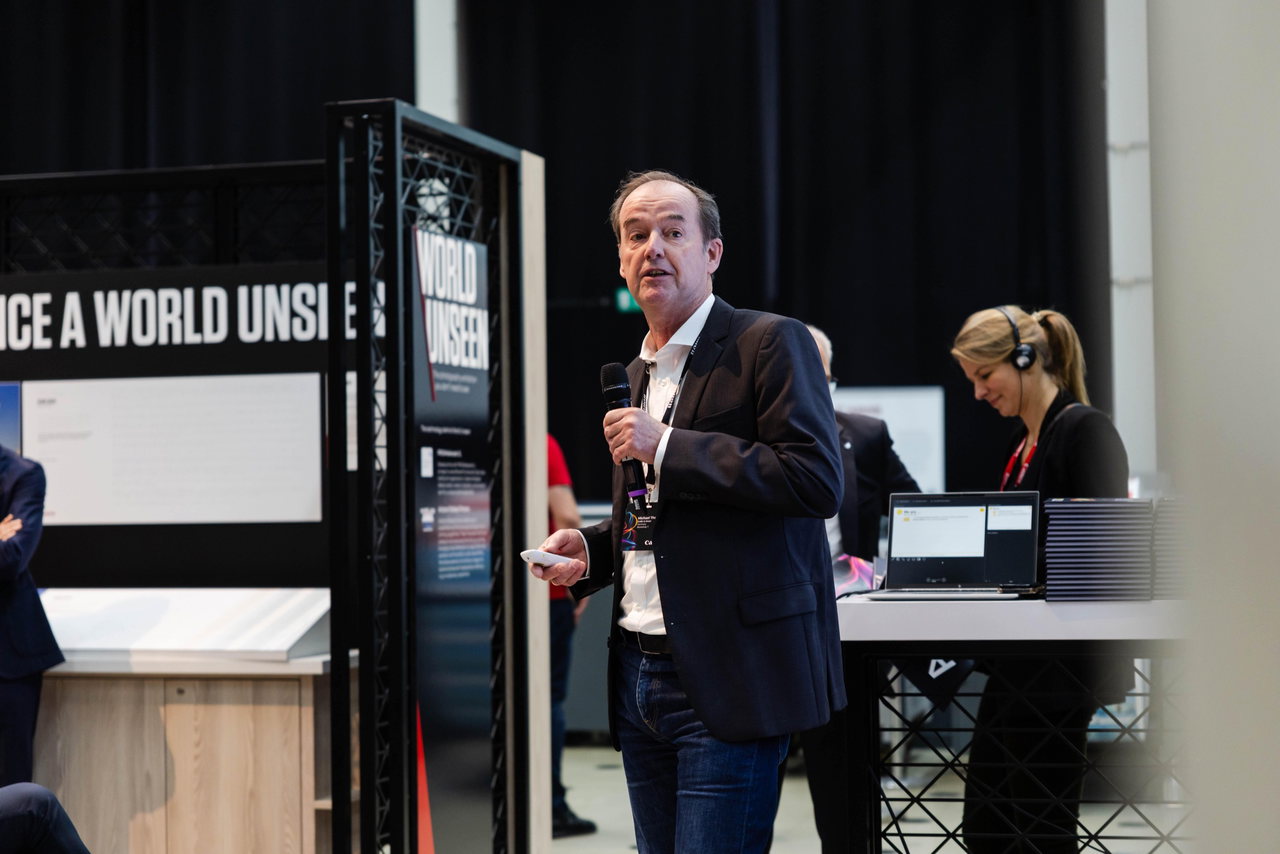
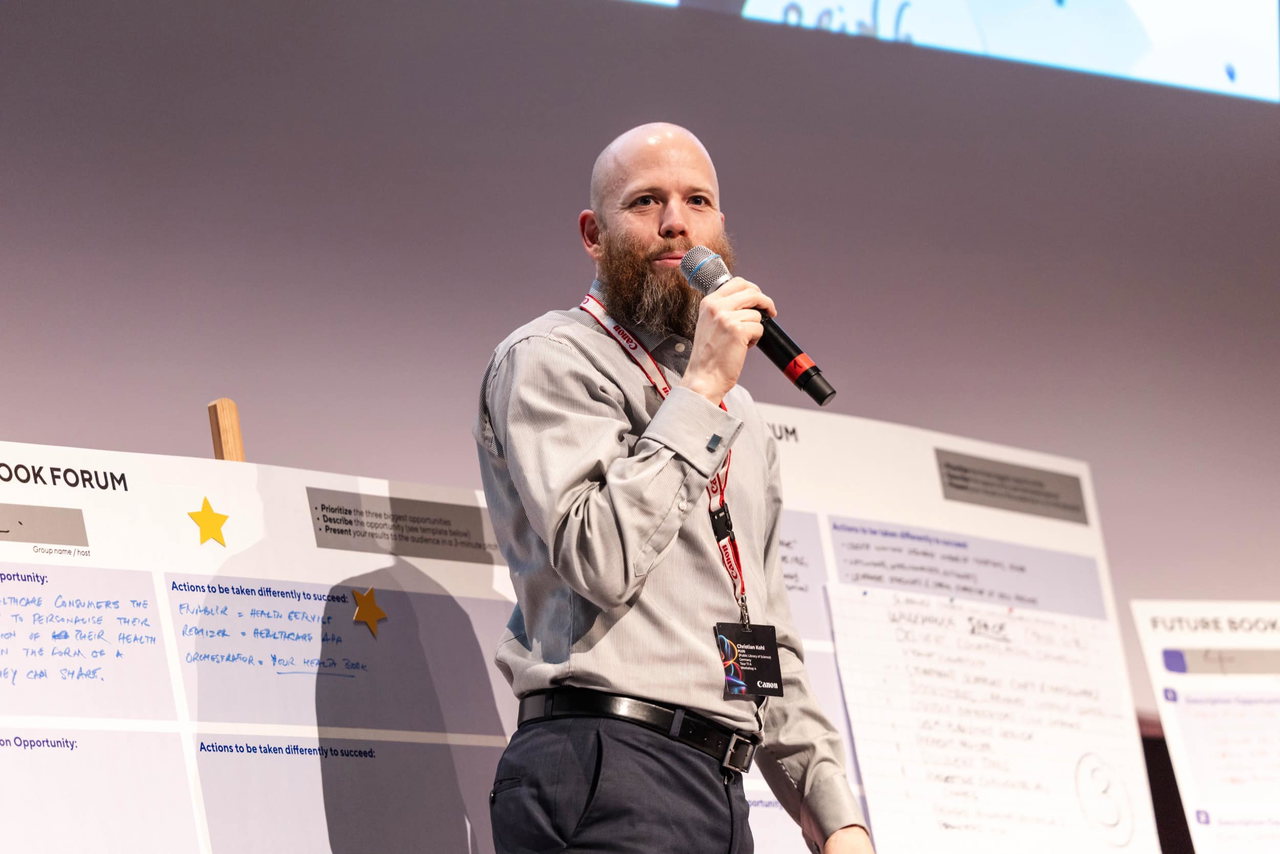
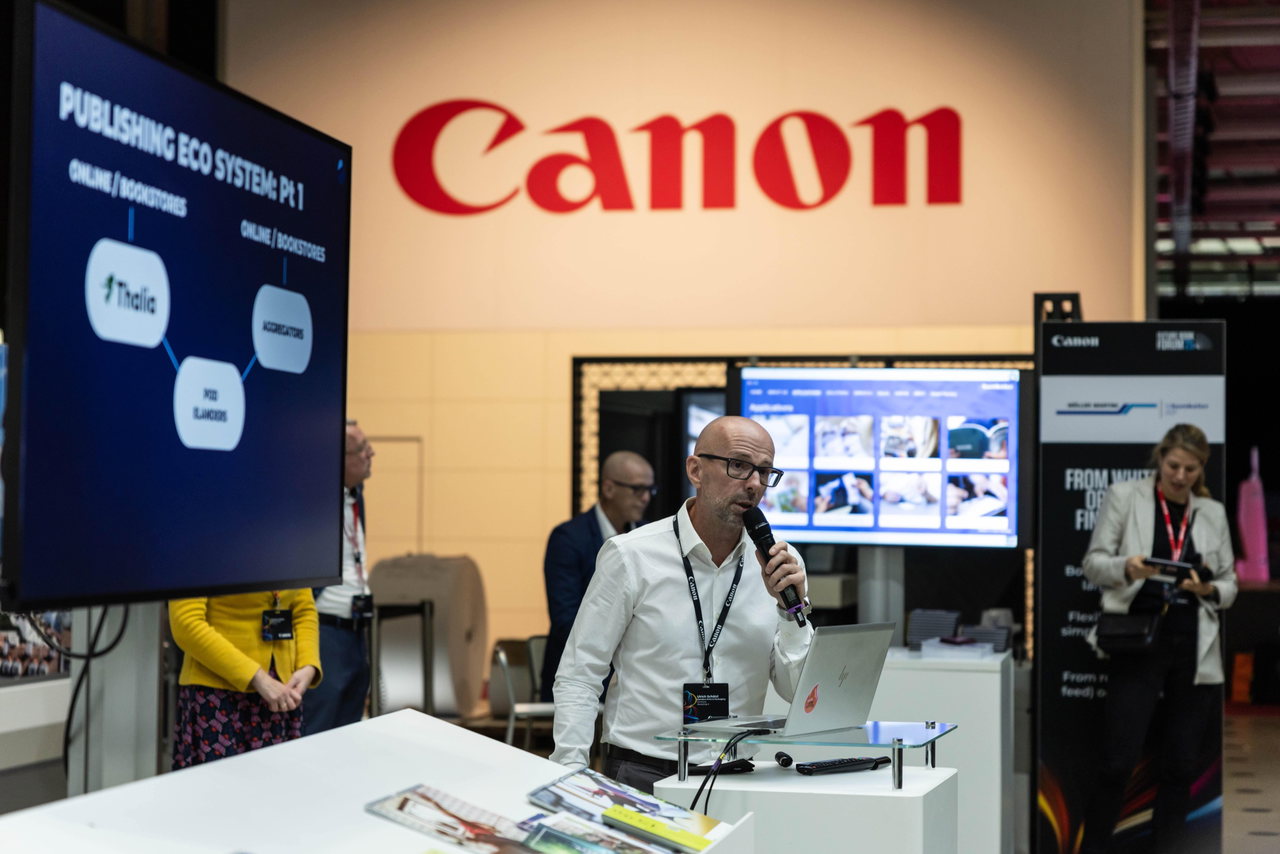
Elanders Print & Packaging is part of the publicly traded Elanders Group from Sweden, with over 26 branches, more than 7,000 employees and €1.4 billion in revenue (2024). As Europe's leading digital printing service provider, Elanders also covers offset and packaging printing as well as bookbinding and offers supply chain services and fulfilment solutions. At the Frankfurt Book Fair 2025, Elanders announced a partnership with Thalia, the largest bookstore chain in the German-speaking world. At the heart of the collaboration is a digital printing centre in the new Thalia omni-channel hub in Marl, which functions as a kind of ‘invisible library’ – strictly in line with the motto ‘Data is the new ink’. At the touch of a button, books available as data can be produced on demand from the first print run in order to quickly implement new business models or respond to demand. The concept is aimed at publishers and promises an integrated solution for the production and distribution of books. Here is the interview with Ulrich Schätzl (photo) from Elanders and Michael Then, who presented the personalised cookbook project for Gräfe und Unzer.
‘The opportunities for publishers are huge!’
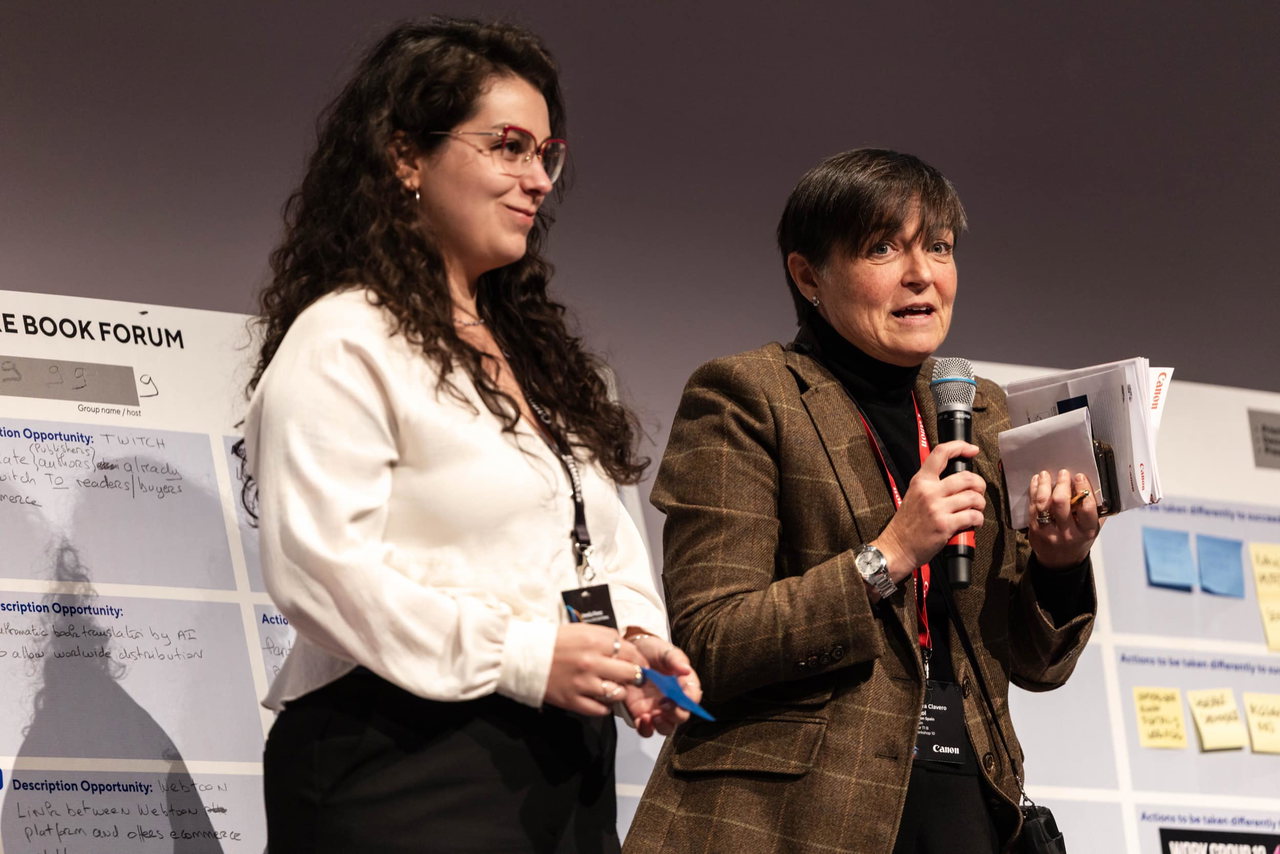
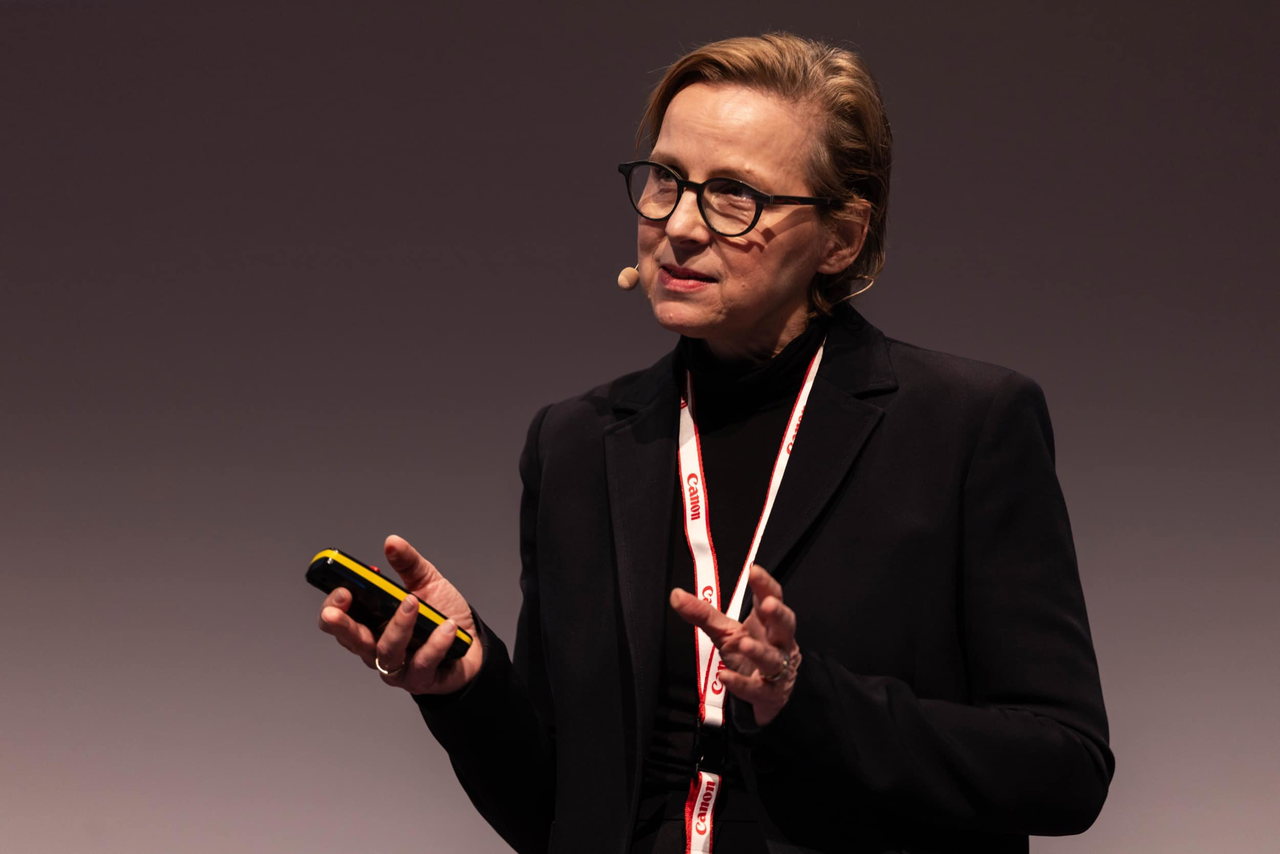
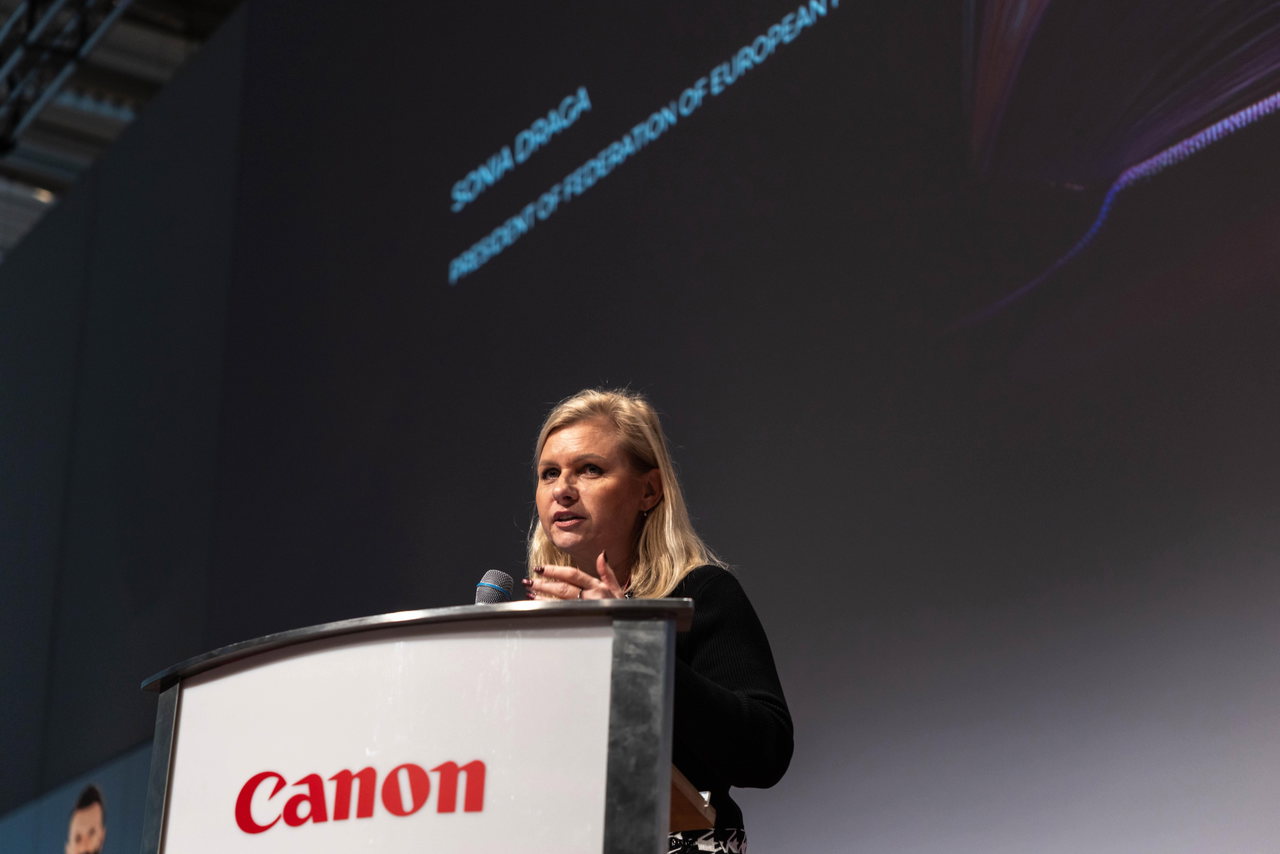
Back to the beginning: conferences that follow the principle of brutal impulse, potpourri and prosecco usually leave visitors with a rather unsatisfactory feeling: Dr Doom's brutal message cannot be implemented so quickly. And the potpourri of individual topics lacked a practical foundation. The conclusion of Canon's FBF was quite different. Thanks to the holistic approach to the core topic of publishing ecosystems – from the scientific foundation to concrete practical application – the final overall feeling is positive, even highly motivating. Dalia Ibrahim assured: ‘The opportunities for publishers are huge!’ Gelato CEO Henrik Müller-Hansen explained: ‘I have never looked to the future of publishing with as much confidence as I do today.’ And Sonia Draga (photo above), Polish publisher and president of the Federation of European Publishers (FEP), concluded the event with the outlook: ‘The future of publishing lies in combining the human aspects and software (she means AI) and using this software to make our work more effective and ultimately more creative!’
About the author: Daniel Lenz joined DIGITAL PUBLISHING REPORT in 2017. As editor-in-chief, he manages content channels such as the web magazines and the monthly dpr magazine. Previously, the journalist was head of product development and deputy editor-in-chief at buchreport (Harenberg Kommunikation, formerly SPIEGEL Group) and worked for companies such as Verlagsgruppe Handelsblatt for many years. He has been following developments in the publishing industry for 25 years.
More impressions from the Future Book Forum 2025