from guitar manufacturer to creative ecosystem: fender
The creative ecosystem Fender has successfully transformed itself from a product-driven company into a complete ecosystem for creative professionals.
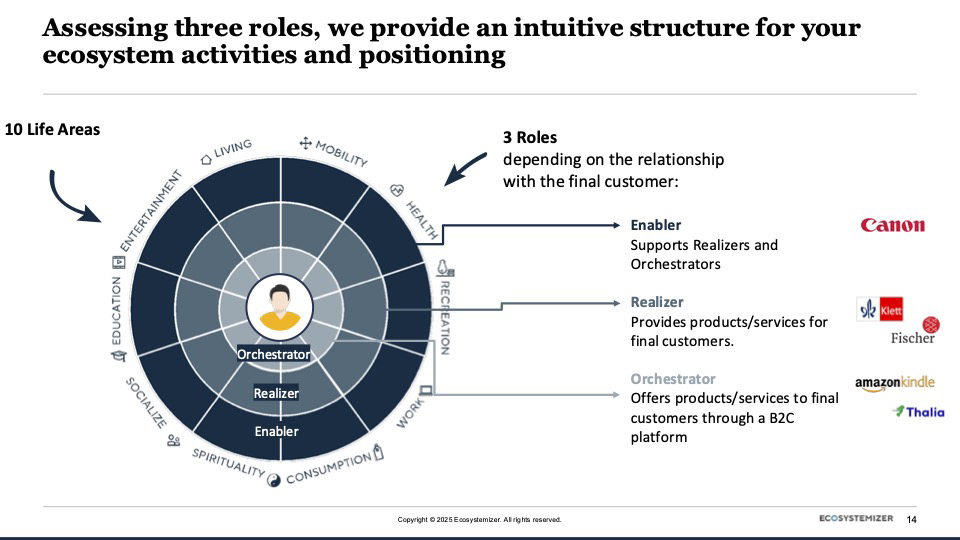
The company uses an integrated strategy of products, services, and partnerships to create a seamless customer journey and reduce its dependence on pure hardware sales. Fender no longer acts solely as a manufacturer of guitars and amplifiers, but as an orchestrator of a holistic experience for musicians that covers the entire life cycle of a guitarist.
The three pillars of the ecosystem
The ecosystem is based on the interaction of hardware, value-added services, and digital platforms:
Products: High-quality instruments (Stratocaster, Telecaster), basses, and amplifiers.
Ecosystem function: Form the basis and brand anchor of the ecosystem (quality and loyalty).
Value-add services: Customization, repair services, Fender Tune app (tuning, metronome, chords), online tuner.
Ecosystem function: Deliver digital added value, generate user data to optimize new offerings, and extend product life.
Platforms: Fender Play (online learning platform with video lessons), Fender Play Community (Facebook group for beginners), Tone Community, and Presets (sharing sound settings).
Ecosystem function: Offer a personalized learning experience, promote community engagement, and create recurring revenue streams (subscriptions).
Strategic partnerships as ecosystem expansion
Fender uses targeted collaborations to expand its reach and diversify its product range.
Product collaborations: Partnerships with companies such as Roland (for hybrid instruments) and Gretsch (for Gretsch-branded electric guitars) to create unique offerings and increase customer loyalty.
Digital integration: Collaboration with Apple (integration into GarageBand) and online music platforms such as Reverb and Splice to seamlessly connect hardware and software and offer exclusive content.
Conclusion: The holistic customer experience
Fender's success lies in shifting its focus to customer centricity. The ecosystem creates a seamless and unique experience that makes it unattractive for customers to switch to competitors. This strategic integration of hardware and digital services maximizes customer lifetime value and opens up new, recurring revenue streams, minimizing dependence on traditional product sales. Fender demonstrates that the ecosystem concept is also successful for established niche providers in terms of "growing the pie."