still waiting for publishing's spotify moment
Peter Fisk and Jörg Engelstädter on the industry's future, missing urgency, and why the big shake-up hasn't happened yet
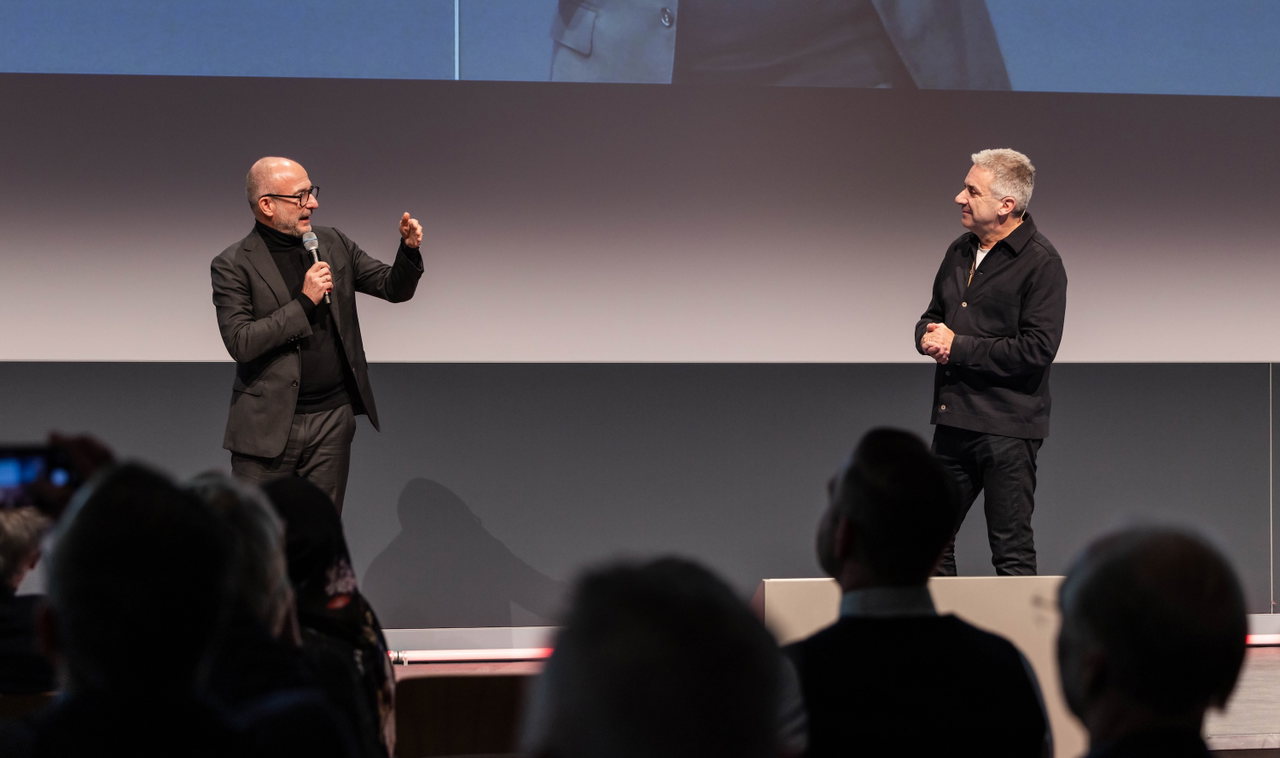
For over a decade, Canon's Future Book Forum has been bringing together publishers, printers and other representatives from the publishing industry to discuss the future of the sector.With an advisory board including thought leaders like futurist Peter Fisk, the annual event tackles themes ranging from "The DNA of the Book", sustainability to this year's focus on business ecosystems. But how does an industry steeped in tradition embrace radical change?
In conversation, Fisk and Forum organizer Jörg Engelstädter from Canon Europe reveal why cultural resistance remains the biggest barrier, how the music industry's disruption offers cautionary lessons, and why print's renaissance among young readers holds unexpected opportunities. Their frank assessment: the publishing world is still in the vinyl and CD era, waiting for its iTunes and Spotify moment to arrive.
Let me start with a process behind the Future Book Forum event itself. These topics you choose each year—ecosystems, communities, the DNA of the book—how do you develop them?
Jörg Engelstädter: We work with an international advisory board that deliberately brings together different perspectives: Peter Fisk as a strategic thought leader, Dalia Ibrahim as a leading educational publisher from Egypt, Sven Fund as a digital and trade media manager, Beatrice Klose as Secretary General of the European printing association Intergraf, and Jesús Badenes as a representative of the Spanish publishing group Planeta. Together, we analyse market trends and structural changes over several months – and this forms the basis for the annual theme.
The process takes about five months. We meet regularly over that period, and the definitive solution usually emerges after four or five months.
Peter and I always sit together after each event and ask: What should be next? I remember that last time Peter suggested the topic of 'handprints' – that is, the idea of measurable positive effects that you leave behind in the world. We took that idea to our team, and they came back saying publishers don't have a sustainability problem—they have a growth problem. So we asked: How can we grow? That discussion with the entire advisory board led us to ecosystems.
The important thing is that we have forward-thinking people helping us find the right strategy. They all come from different perspectives, giving us the broader spectrum we need. For us, it's like laying a path with paving stones. Each year adds another element, and people start to understand why we're talking about these things.
Peter Fisk: It's worth saying that in 2015, we set out a vision and thought about what the next ten years would look like. We worked through a series of workshops with participants about how the publishing industry is changing—and by publishing, I mean printing, paper suppliers, readers, creators, everybody in the ecosystem.
We looked at the big shifts over time, and we also examined other industries. Ecosystems have become very common in many sectors. We saw examples like Airbnb and Uber. But if you look at somebody like NVIDIA, which has become successful over the last three to four years and is now a $4,5 trillion company, it's because it developed an ecosystem around AI. NVIDIA doesn't just manufacture semiconductors, it has built a complete AI ecosystem – from software and developer communities to partnerships.
One thing we recognized is that perhaps the publishing industry is a little bit behind in this thinking. It's still operating with a linear mindset. Events like this, where you get printers and publishers together, are some of the only places where you can start thinking about the whole industry rather than just publishers or printers by themselves.
Jörg: It is always important to differentiate here, because there is no such thing as "the publishing industry". In the individual sectors such as education/school, academic/professional, consumer/trade, children, but also in the various local markets, there are completely different challenges and opportunities to which the respective publishers adapt.
"When people leave our event here, you can see minds exploding"
With these topics you are always a bit ahead of the game: Your mission is to inspire the publishing community, but your topics are often future-oriented. Have you ever chosen topics that, in hindsight, were off-topic because the industry didn't follow that direction?
Peter: In any industry, but especially in publishing, you have leaders and laggards. There are some companies who are clearly ahead of the game. They look at our themes and say, "We already do 80% of this." They're fantastic because they're the use cases, the people to learn from. But you also see the majority who are behind, and the question becomes: How quickly can they start to catch up?
If I look through which topics have been more difficult, I would say we did one called "The DNA of the Book" about how the DNA of the book is changing. It's been very difficult to change the mindset that the book is not at the heart of the thinking. When we did that in 2017—eight years ago now—we talked about whether it's content or the author, but very few people said: reader, consumer, human being.
I think we're now getting there, but that took a long time. It's not just publishing—every industry finds it very hard to move from product-centric to customer-centric thinking. Particularly when it's a tangible industry, it's difficult to think in more intangible terms.
Jörg: 2017 was the most challenging year. My colleagues internally asked me, "What does this have to do with printing?" That's the challenge. Thankfully, I had management support. They said, "Yes, we'll go with this."
At the end, it's always inspiring. In the beginning, it's difficult, but when people leave our event here, you can see minds exploding. They're smiling, laughing, energized. They take this forward, and that's what's really positive. It's the dynamic and the interaction that makes our event unique—the exchange between peers who realize, "Oh, you have the same problem?" and "How does it work for you?"
“The world will never change this slowly again”
What are the most important cultural barriers for traditional publishers and printing companies to embrace ecosystems?
Peter: They don't feel the pain. Not enough. The world is changing faster than it ever has, and it will never change this slowly again, as somebody once said. But for many people, there's comfort in doing what they've always done.
Margins are declining somewhat for most partners in the ecosystem, and the print book market has plateaued. But people are still comfortable continuing largely as they are. To really drive a fundamental appetite to reinvent, you need a burning platform. And that's not always obvious.
Isn't it frustrating that an industry sometimes only moves when it's forced to, rather than reacting intrinsically?
Jörg: Dalia's presentation showed what it could look like, and she is a publisher. There are other publishers who run their businesses with less clear focus, following their passion rather than economic indicators. As a result, the potential of new technologies is often overlooked or underutilised.
With regard to Dalia's best practices from the MENA region, one must see that in education we have a problem in Europe—it's also a ministry of culture topic, so it's a long process to change. There are legislative boundaries in some areas. But: I don't think the pain is big enough yet.
From a publishing perspective, we need a more diverse and economically varied publishing world—many more small and medium-sized publishers. The big ones work with these concepts already. I remember Christian Schumacher-Gebler from Bonnier at the first event saying they have creativity workshops. Penguin Random House does something similar. But our event should also inspire small and medium-sized publishers: "Hey, I could do this."
Peter: We're still in the world of EMI, Sony, and Polydor—the traditional music labels. We're still in the world of vinyl and CDs. We haven't had the really big disruption yet. You could argue that it should be about education and encouraging everybody to change, but they probably won't change until iTunes and Spotify come. When the true iTunes or Spotify of the book world comes, that will shake people up.
“When the true iTunes or Spotify of the book world comes, that will shake people up”
If you think about what we publish in books in terms of content, storytelling, or education, it's a much, much bigger market than books alone. It is many times larger. What case studies like Dalia's illustrate is that you don't have to limit yourself to books or even books-plus. Dalia can create a ranking system of teachers, students, and schools—an infrastructure for education, not just for education books.
When you change the frame of what you're about, you have this huge opportunity for growth at much higher margins. Culturally and mentally, it's about this frame: What business are you in?
Jörg: That's why, as Julian Kawohl talked about, starting from a human-centric point of view becomes important. If you think in terms of books, you're limited to the frame of book publishing. If you think about human beings, they don't put boundaries like that. They just want to learn, have fun, travel, or whatever they want to do, and they want help doing it better.
Peter, you've written a report on mega trends for 2035, identifying six future drivers. Which would have the greatest impact on publishing?
Peter: Perhaps the point is that they all will, in different ways. The tempting thing is to say the technology-related one—exponential intelligence—will have the biggest impact. But I think they all will.
The Asian Century will probably have the biggest impact in terms of revenue growth. We forget that three-quarters of the world live in the east, not the west. Three-quarters of the world are increasing in disposable income, ambition, and literacy standards. They want to learn, read, and be entertained like never before. That's the big growth opportunity.
At the same time, you have changing population demographics—older people with time to travel, reflect, and connect in communities, and young people wanting to do that in different ways. All these trends converge.
It's tempting to say technology because the spark for innovation will come from that, but the driver of growth—to really make it bigger—will come from taking an international perspective. For European publishers and printers, it's an opportunity to take what they've done and bring it to new markets in a more innovative way.
But if we're not careful, Chinese publishers or printers will create the Spotifys and iTuneses that disrupt the marketplace. European players who've been traditional leaders need to look beyond their own peer group and think about who the leapfroggers are—the people looking ten years ahead but jumping into it now.
What if Turkish publishers address German customers?
Ecosystem thinking suggests that internationalization in the book business is easier today because of decentralized printing systems. Could we see Asian companies acquiring world rights rather than regional licenses?
Jörg: Absolutely, and it gives different opportunities. I was in Istanbul four weeks ago meeting with a book printer and a publisher. There are more than a million Turkish people living in Germany, about 200,000 in Berlin. A publisher in Istanbul could sell books in Germany at a higher price—maybe four or five euros in Istanbul but ten or twelve in Berlin because income levels are different. That's an opportunity they have. Decentralised book production can therefore be guided by book prices in other markets – and this can lead to higher prices.
Peter, you're an author with ten books. What's your experience with the current system?
Peter: My books are typically printed in offset batches of 5,000 to 10,000 copies, published by Wiley in the UK and printed in China. So they start in China, get shipped to the UK where Wiley has its warehouse—but most of my activity is in Asia.
When I go to a conference in Singapore and they want 2,000 copies, the books have to be shipped back to Singapore. They never make it in time because they need four weeks, and they don't have time to get through customs and shipping. They usually end up stuck somewhere. It's a failure. The publisher misses out on sales.
It sounds so simple to use print on demand and have a distributed local printing network. But for many big publishers, they're miles away from that still.
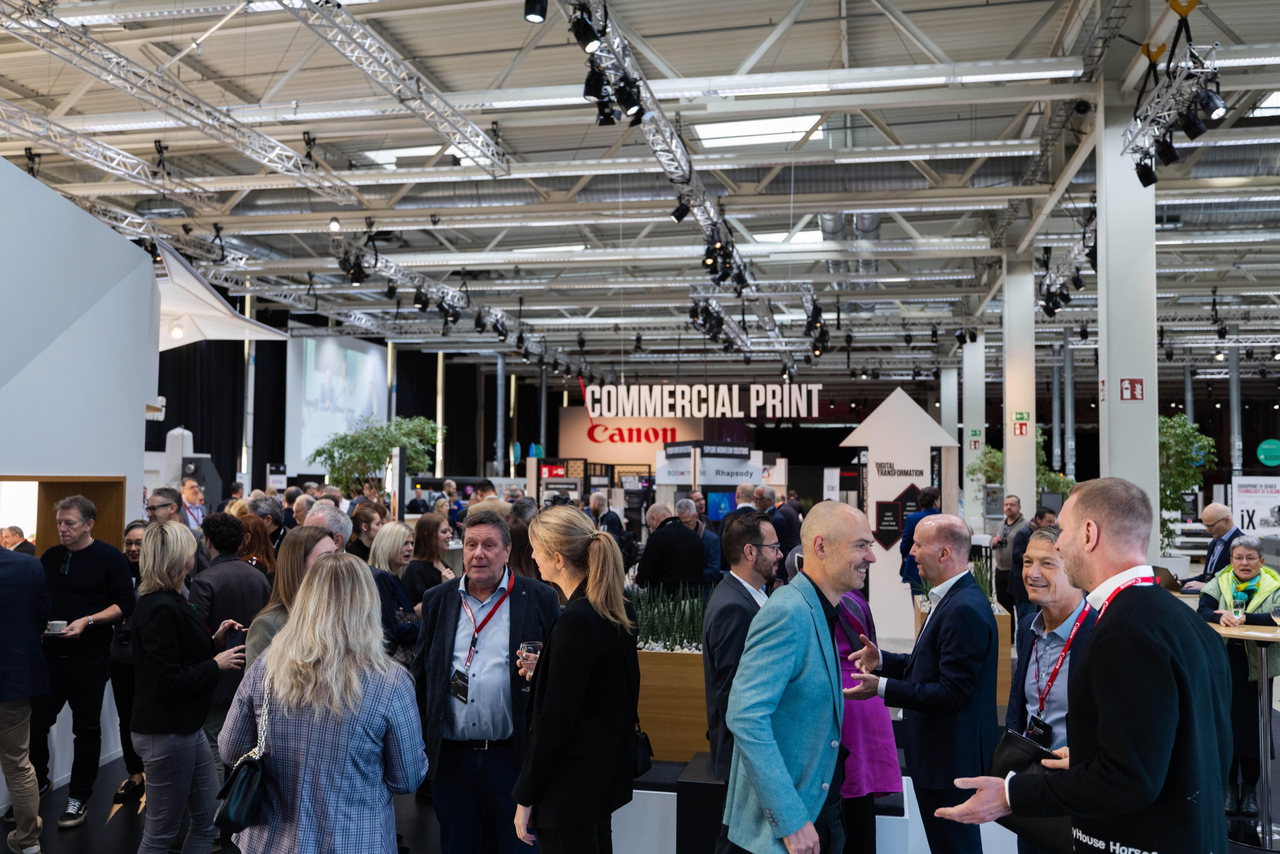
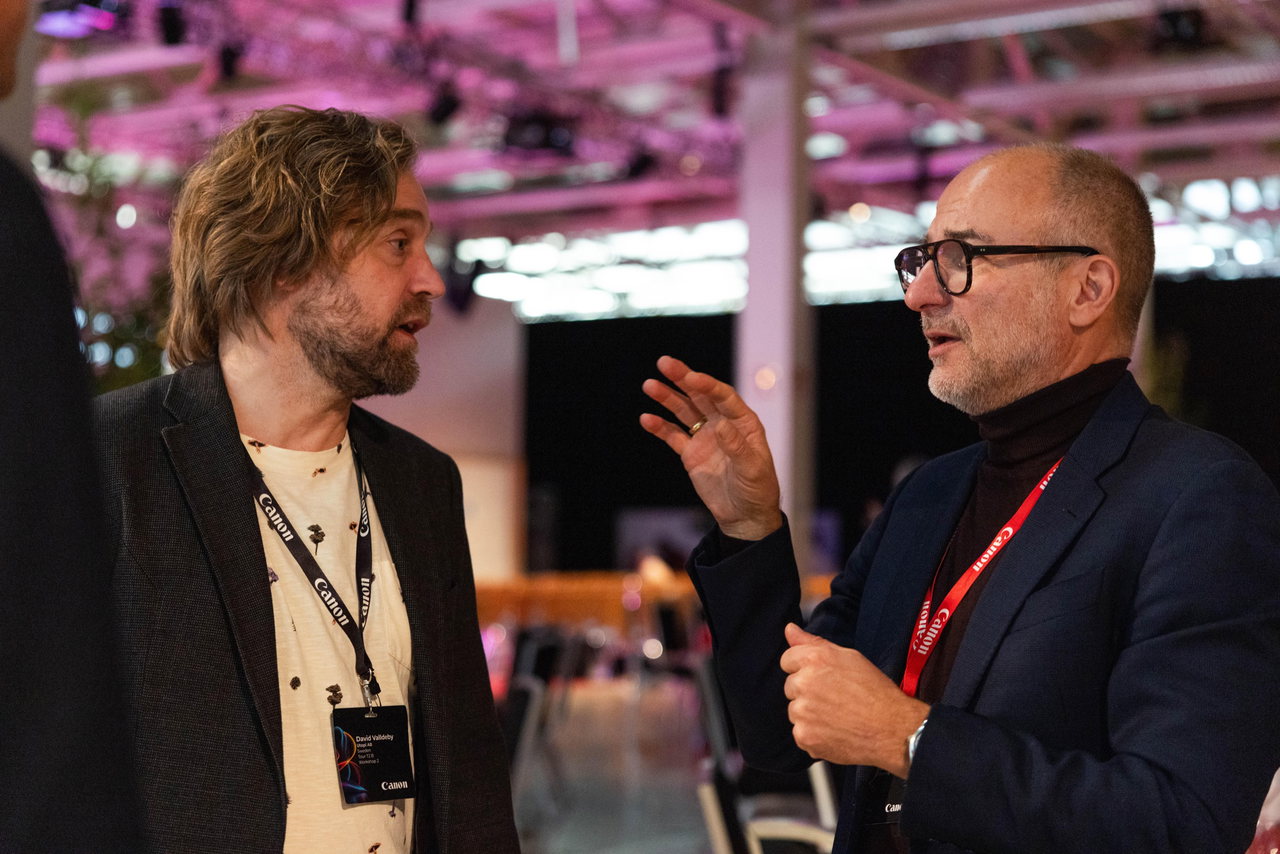
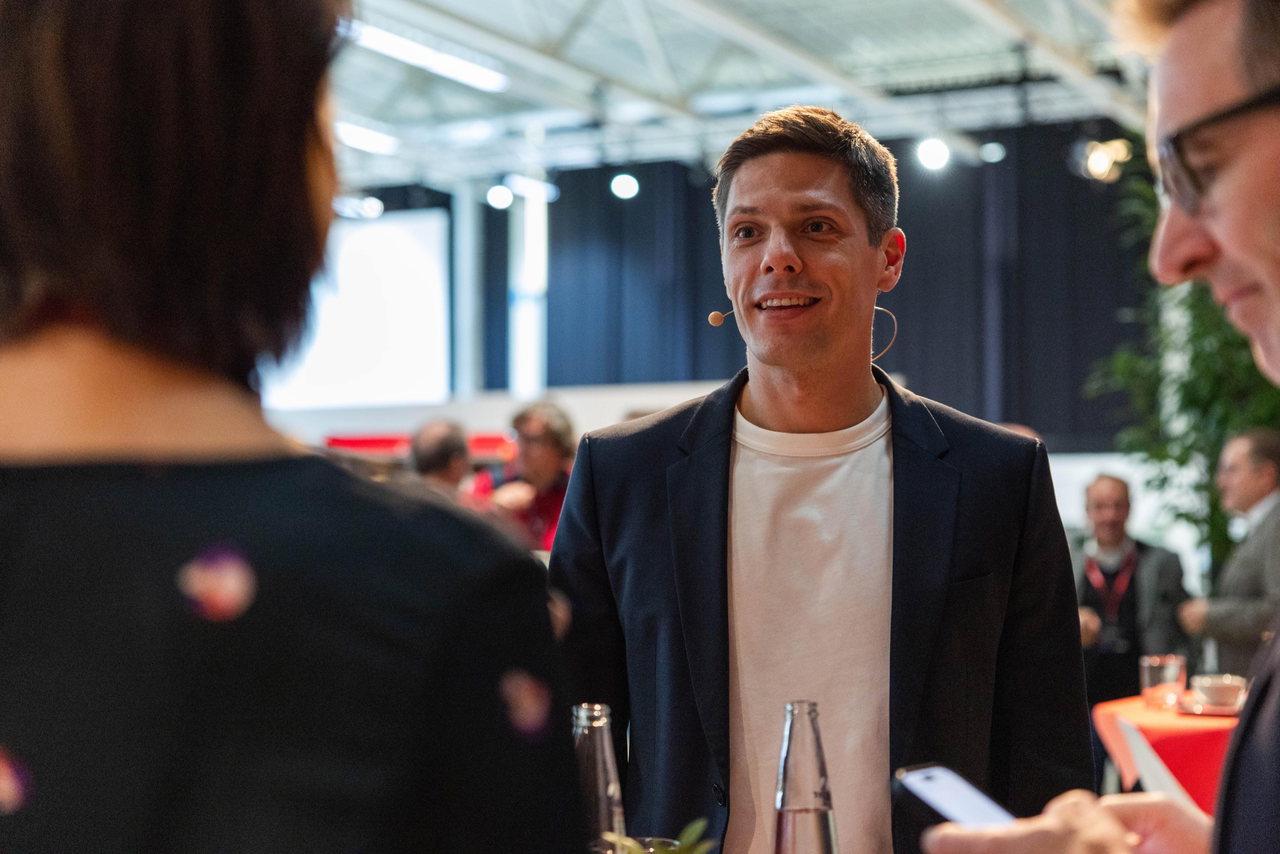
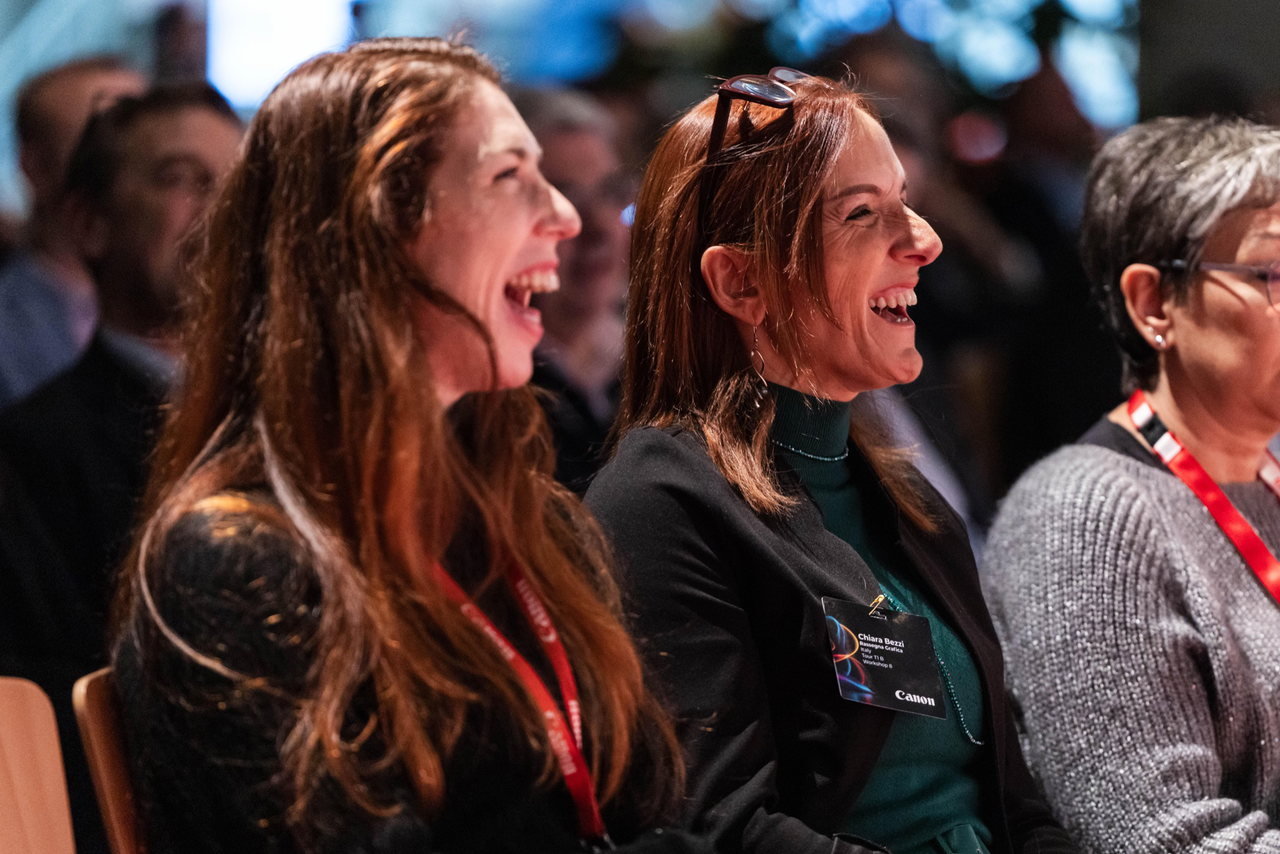
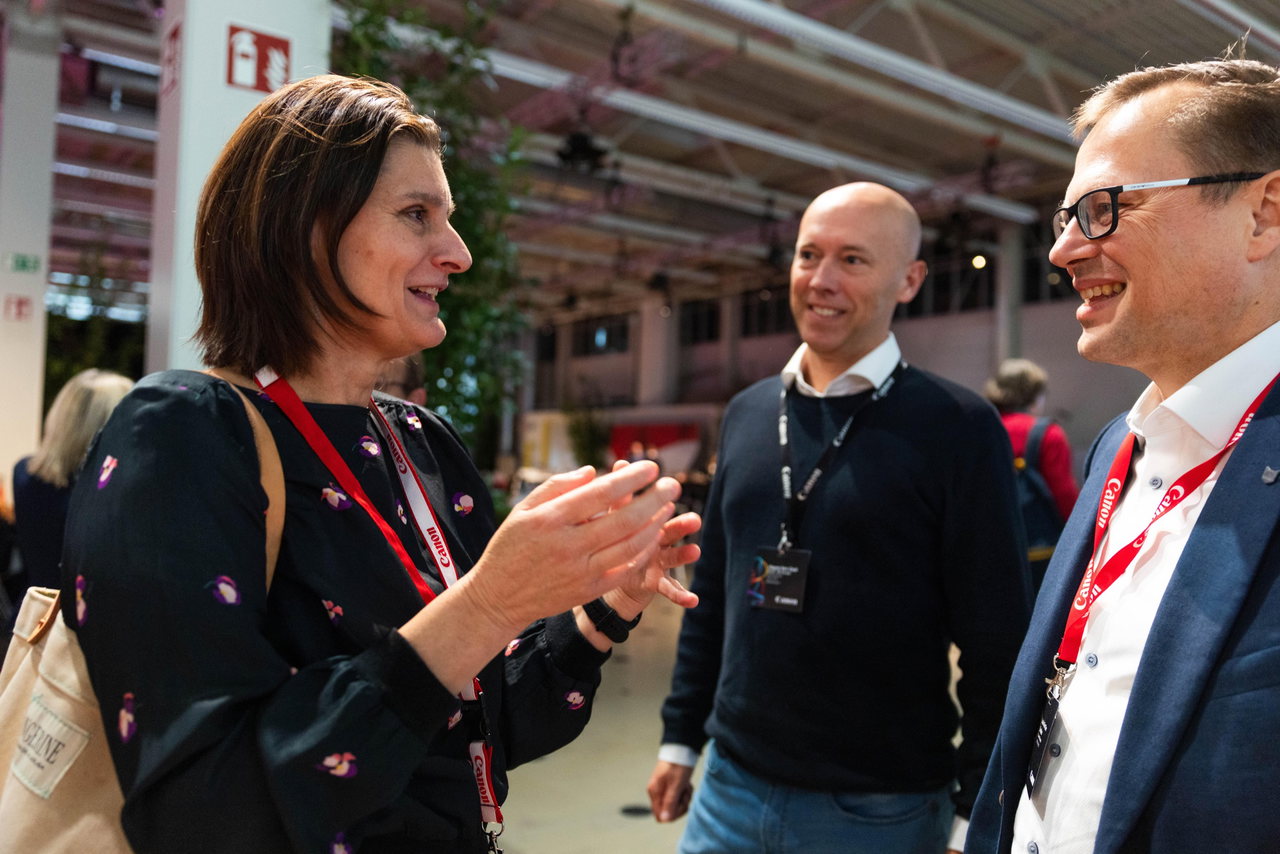
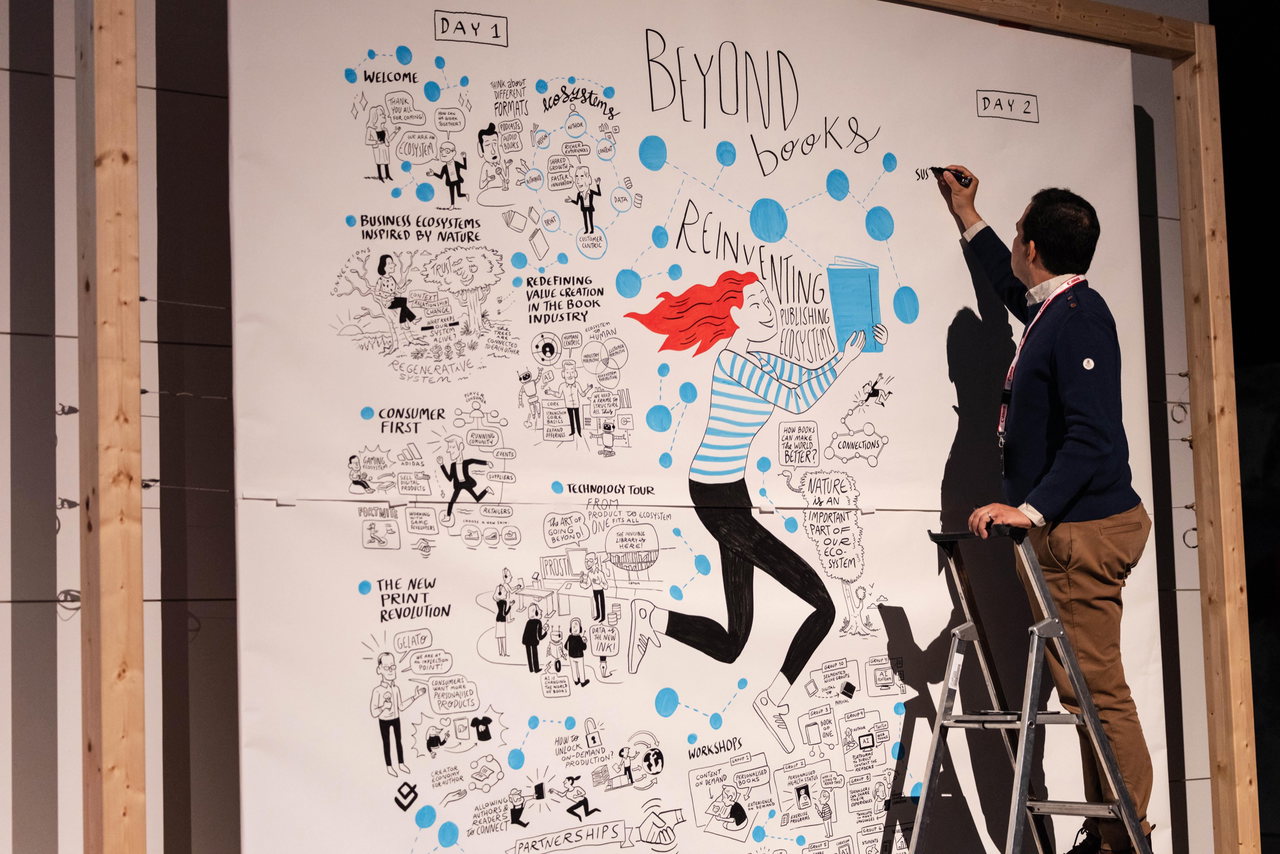
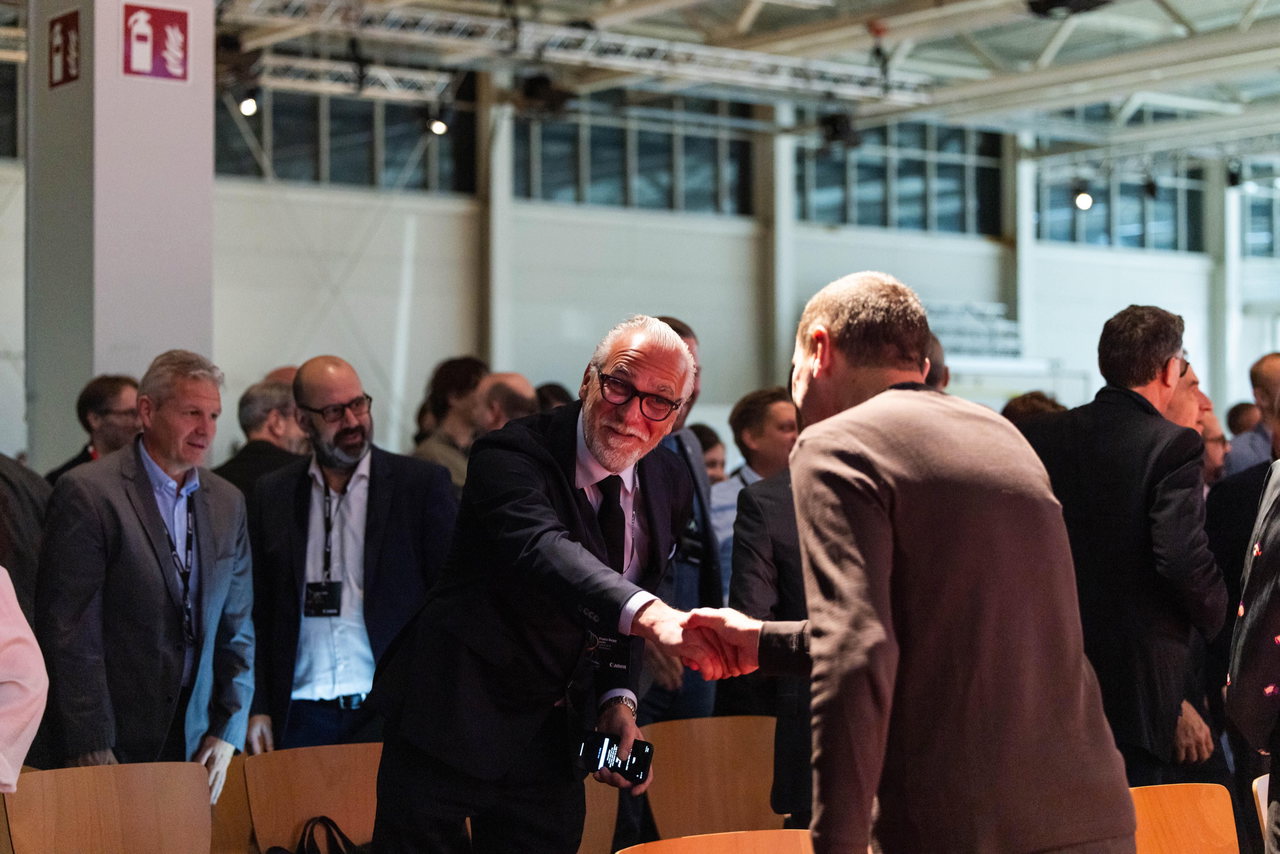
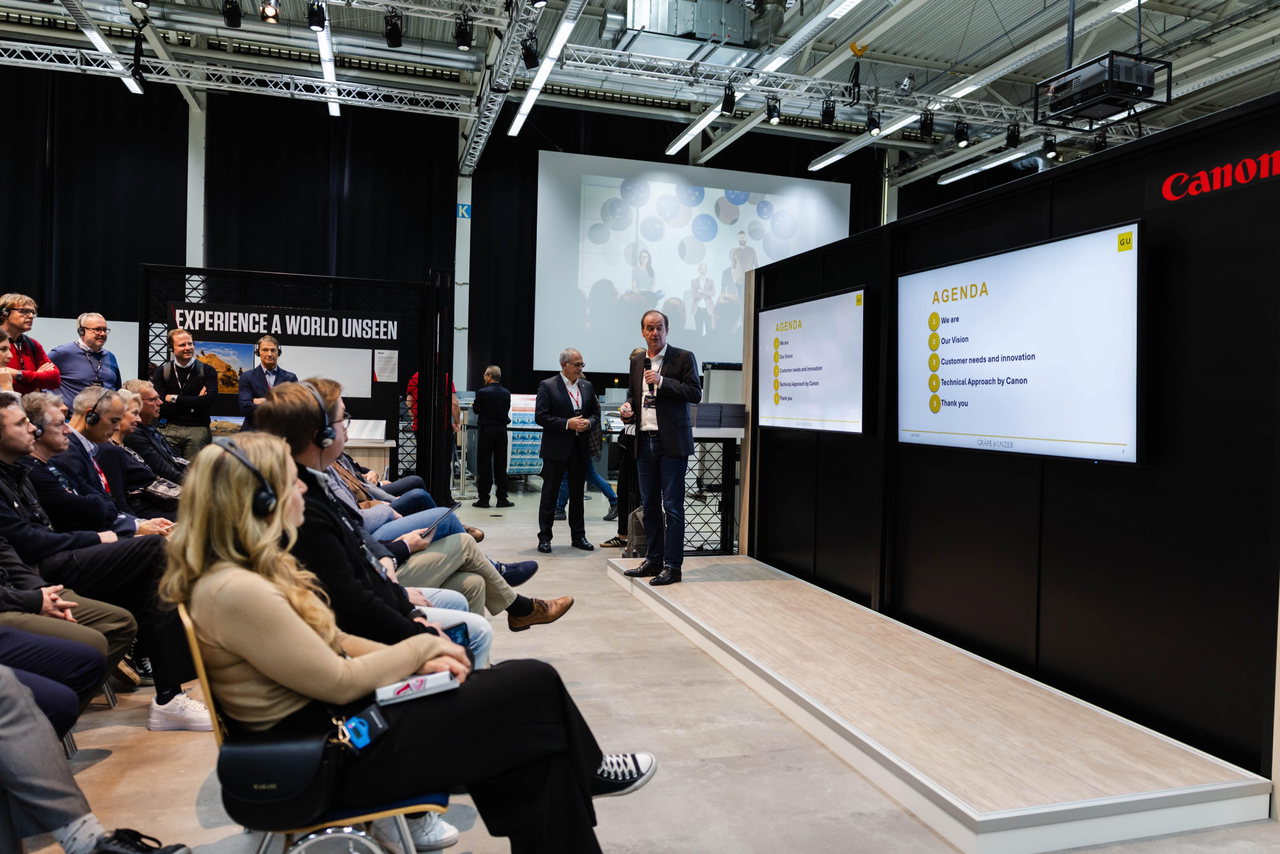
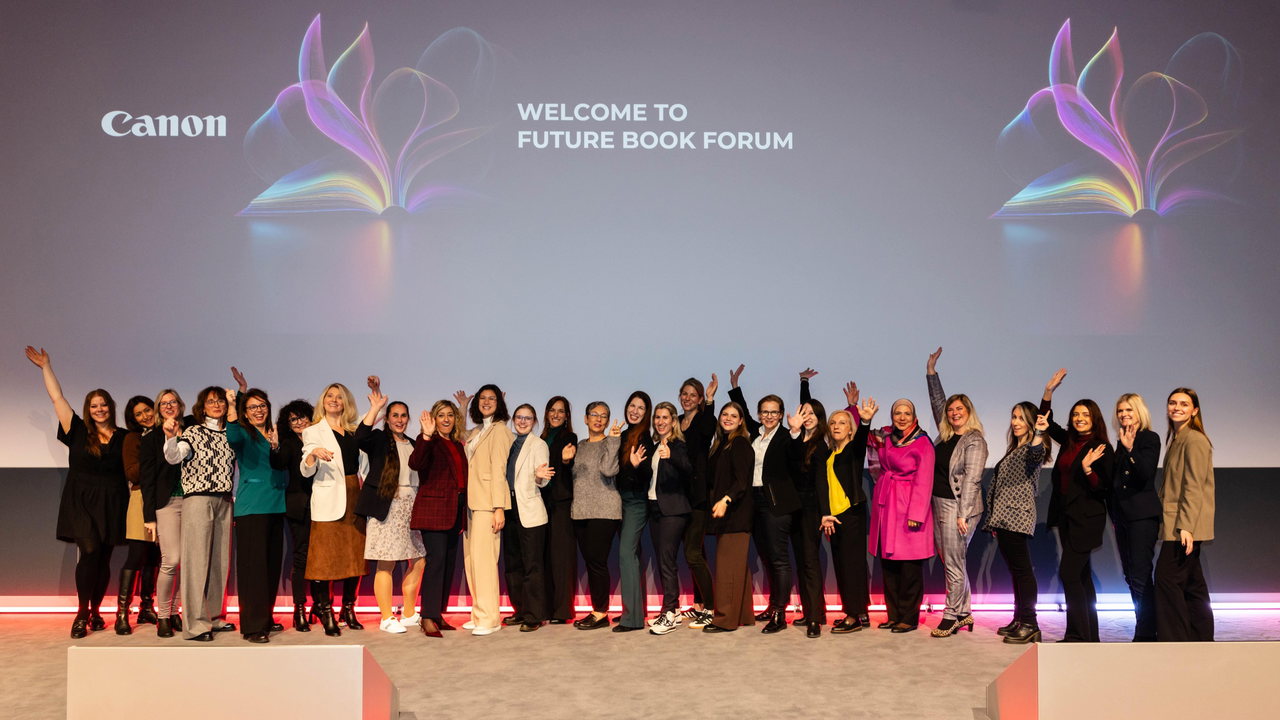
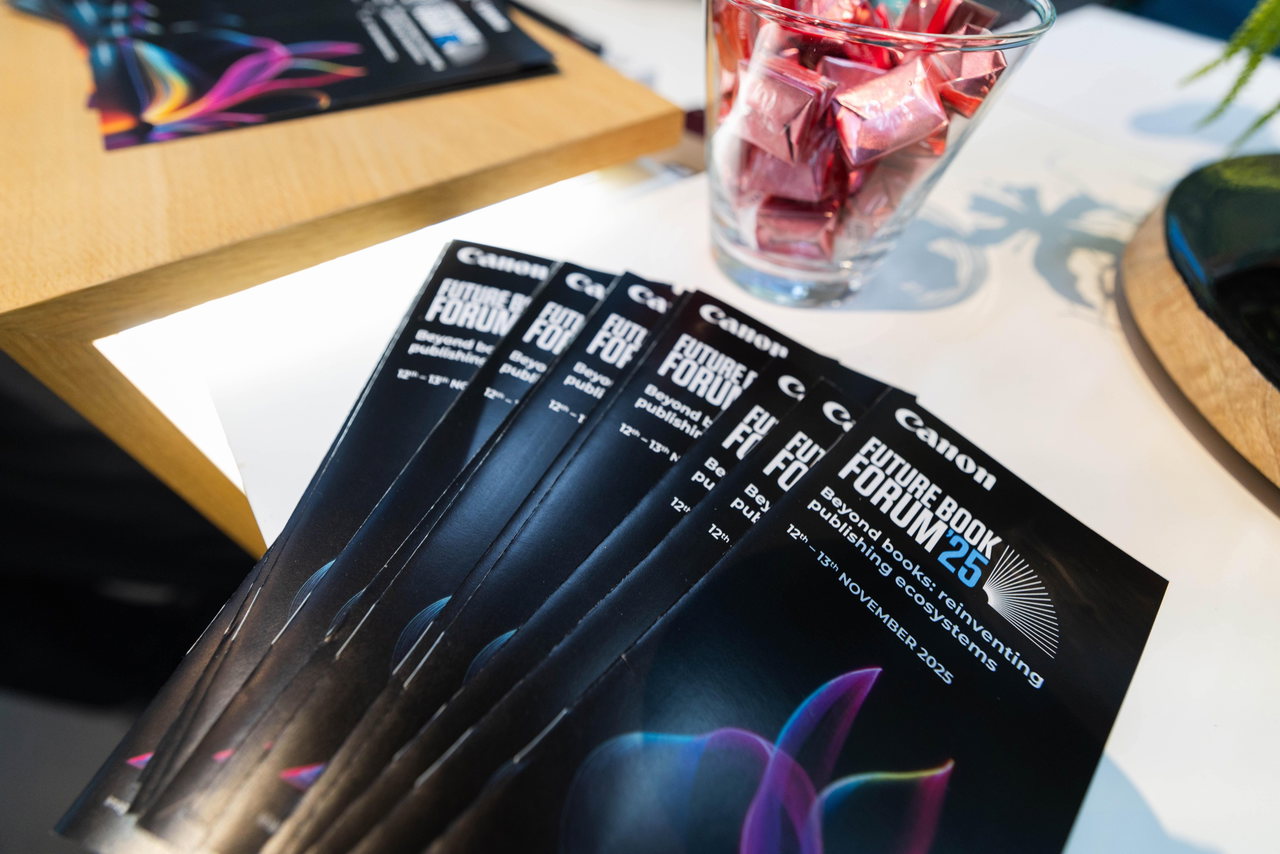
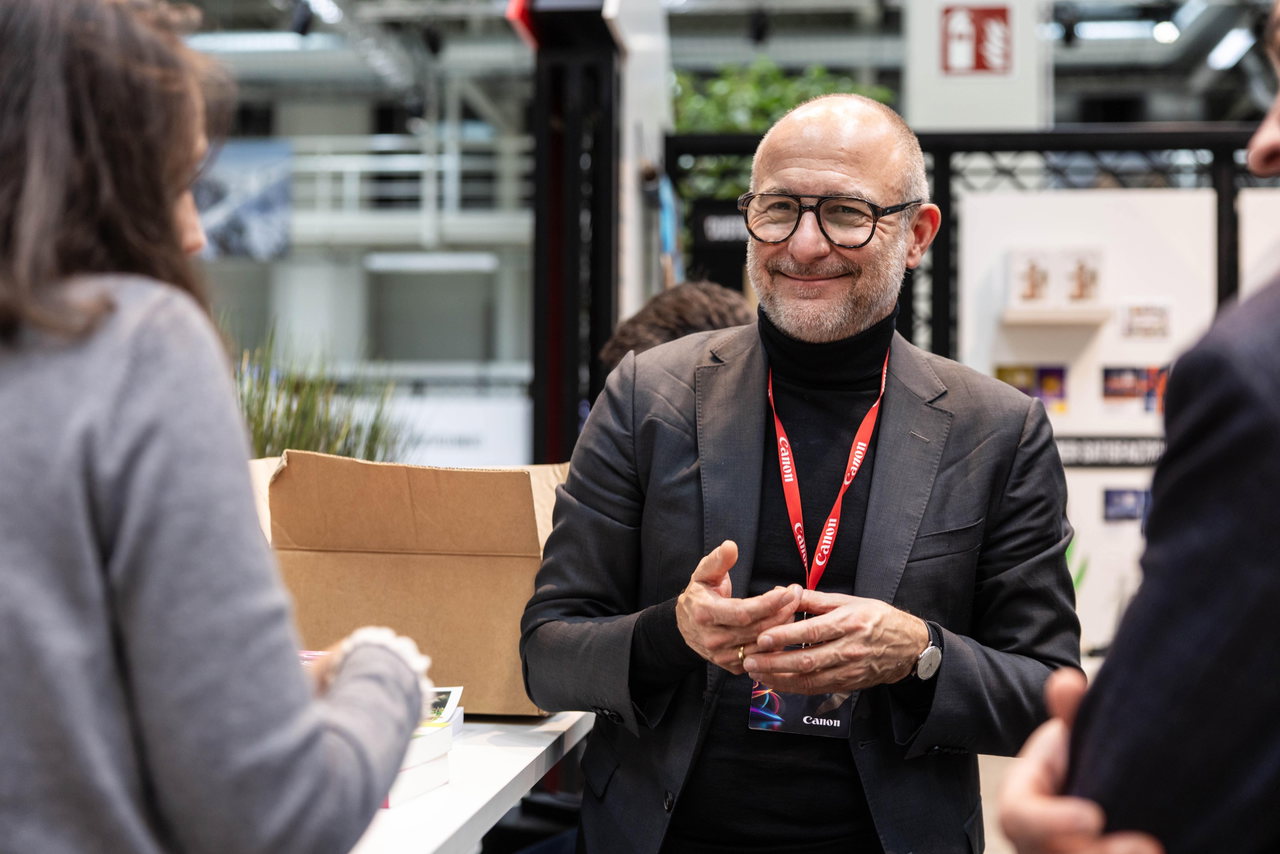
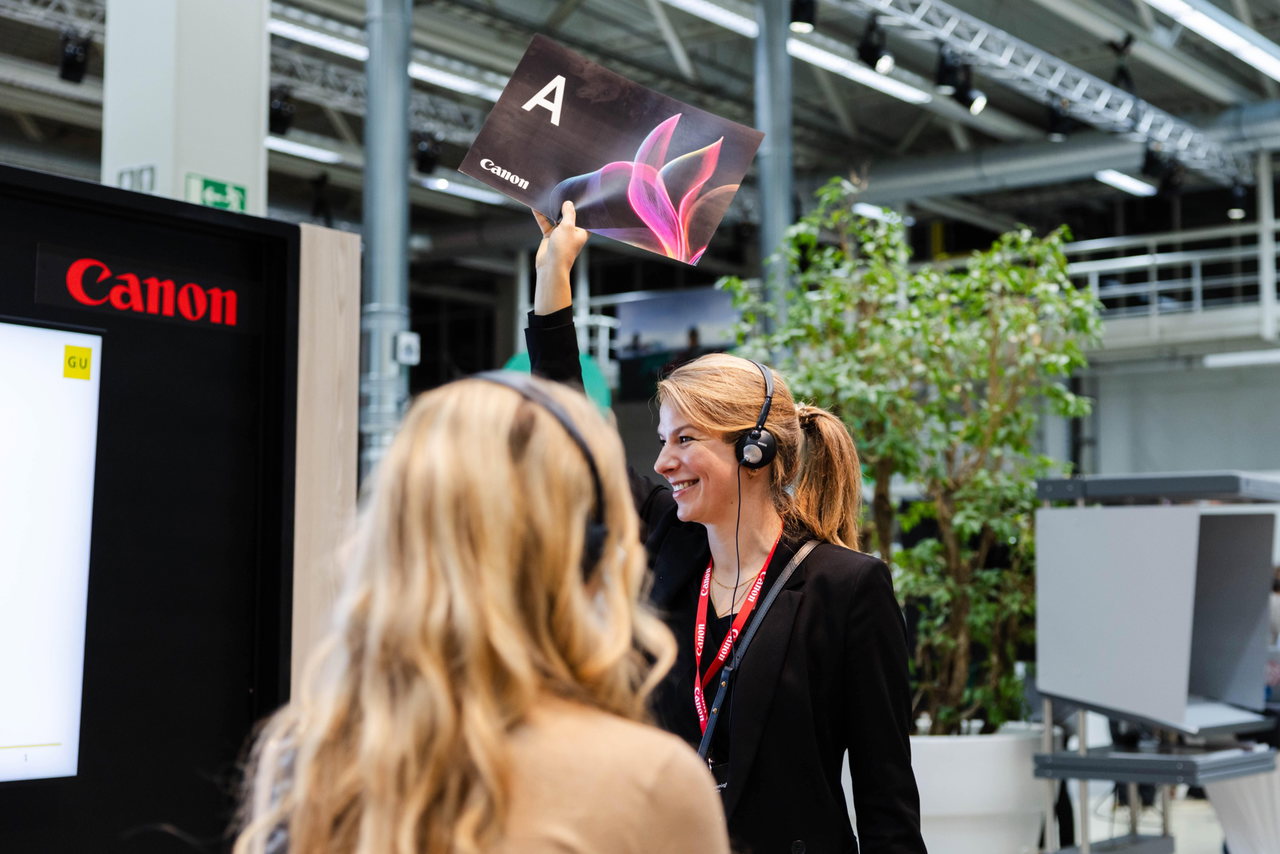
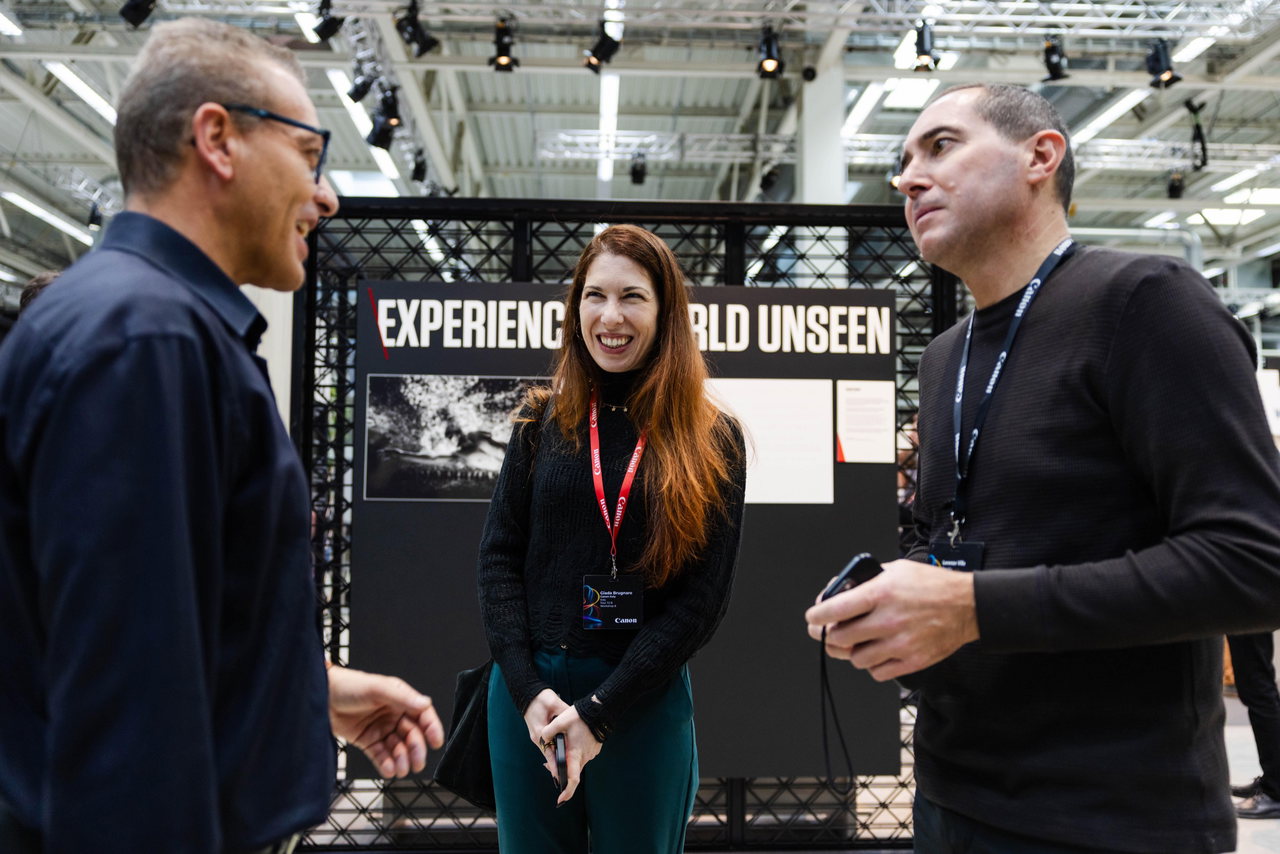
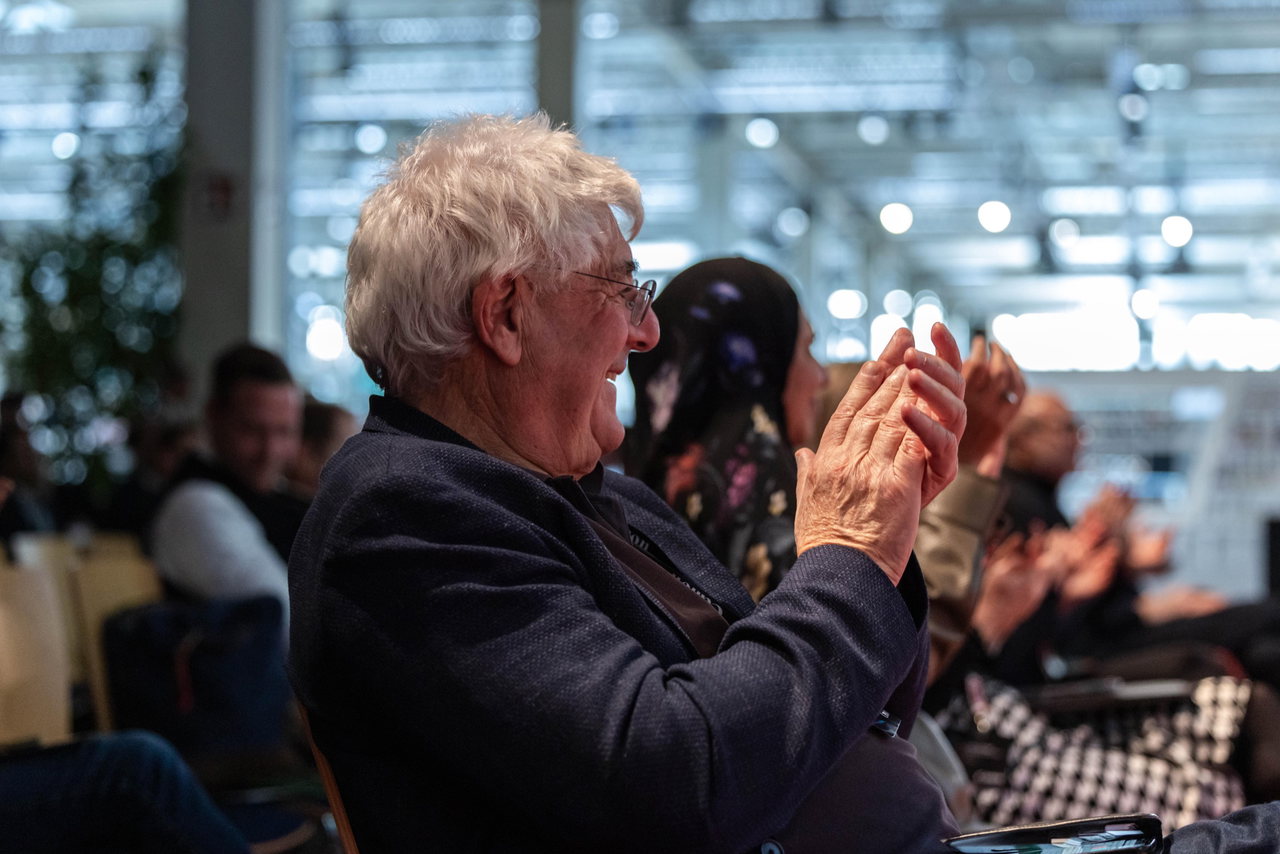
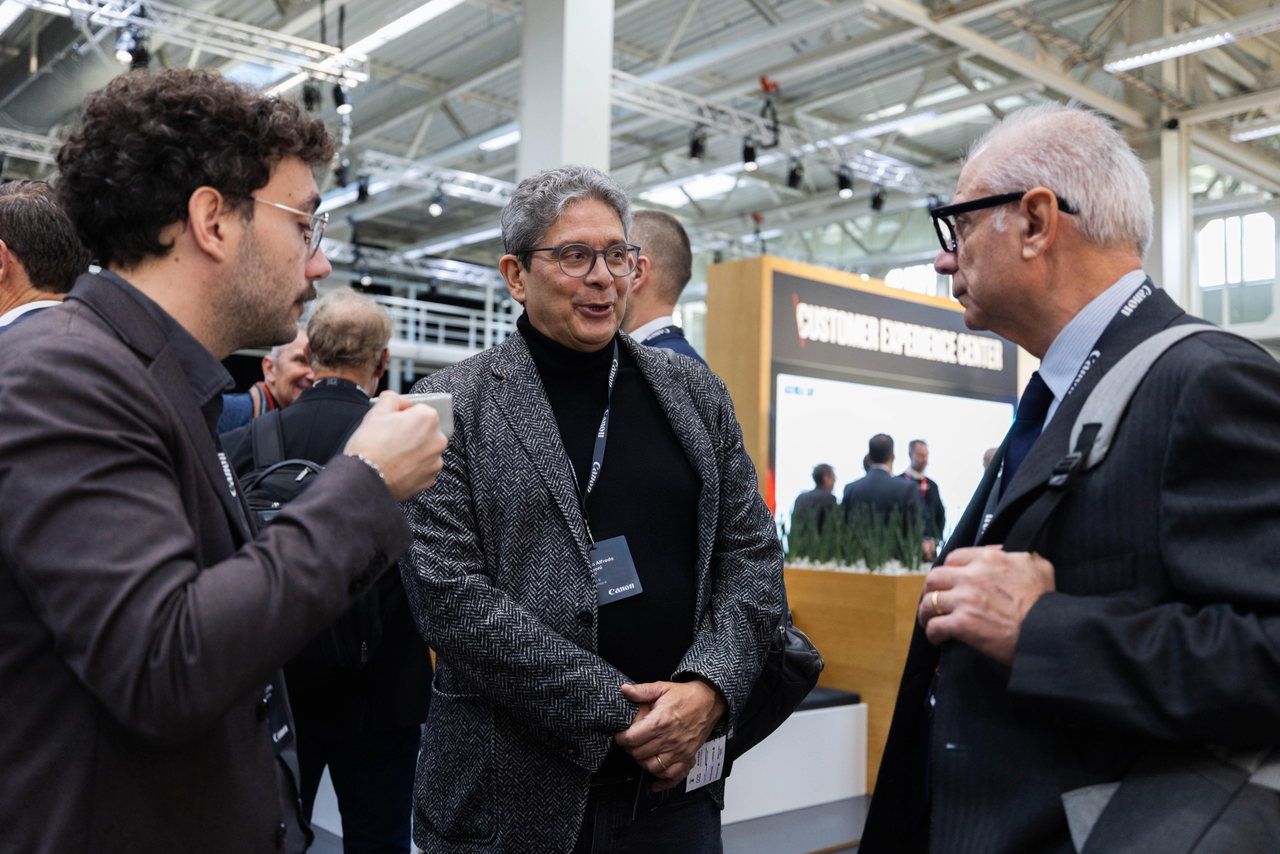
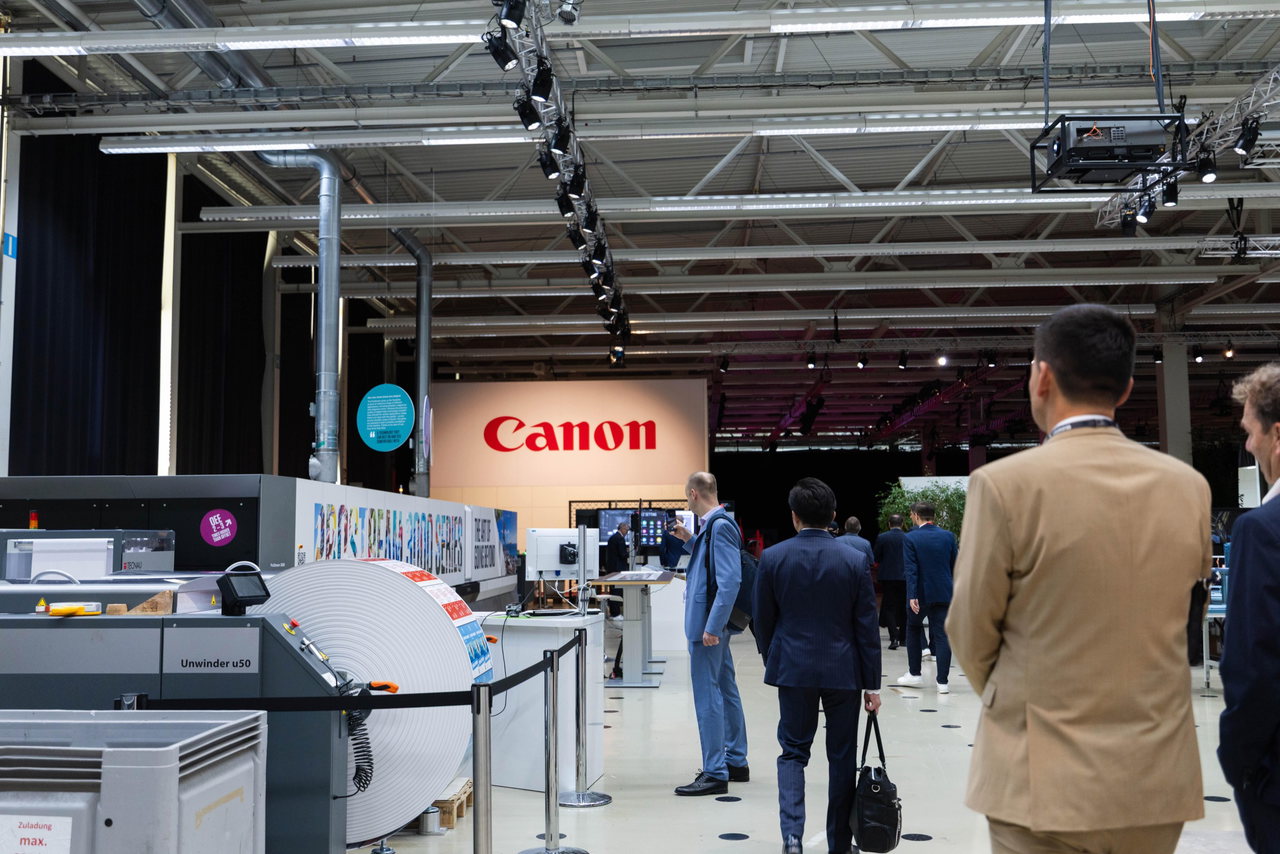
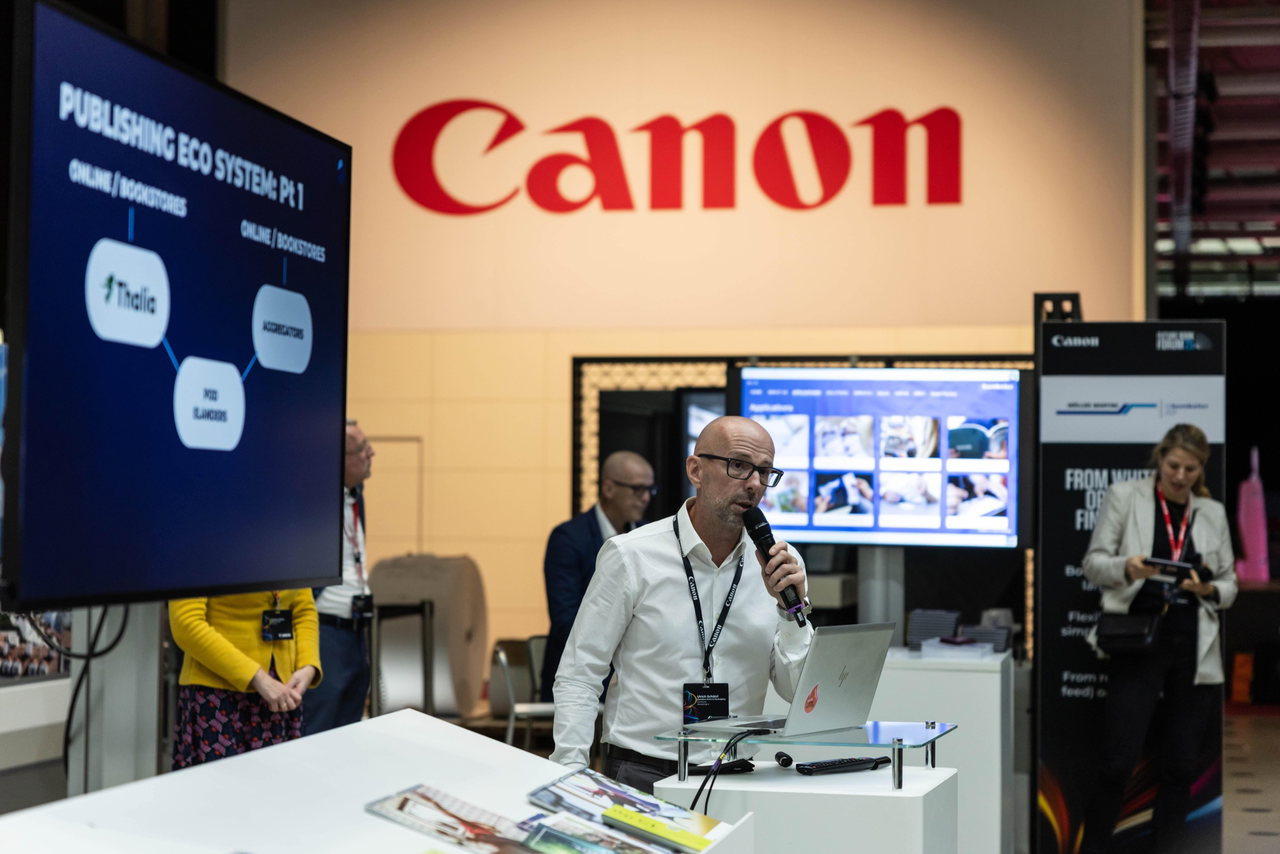
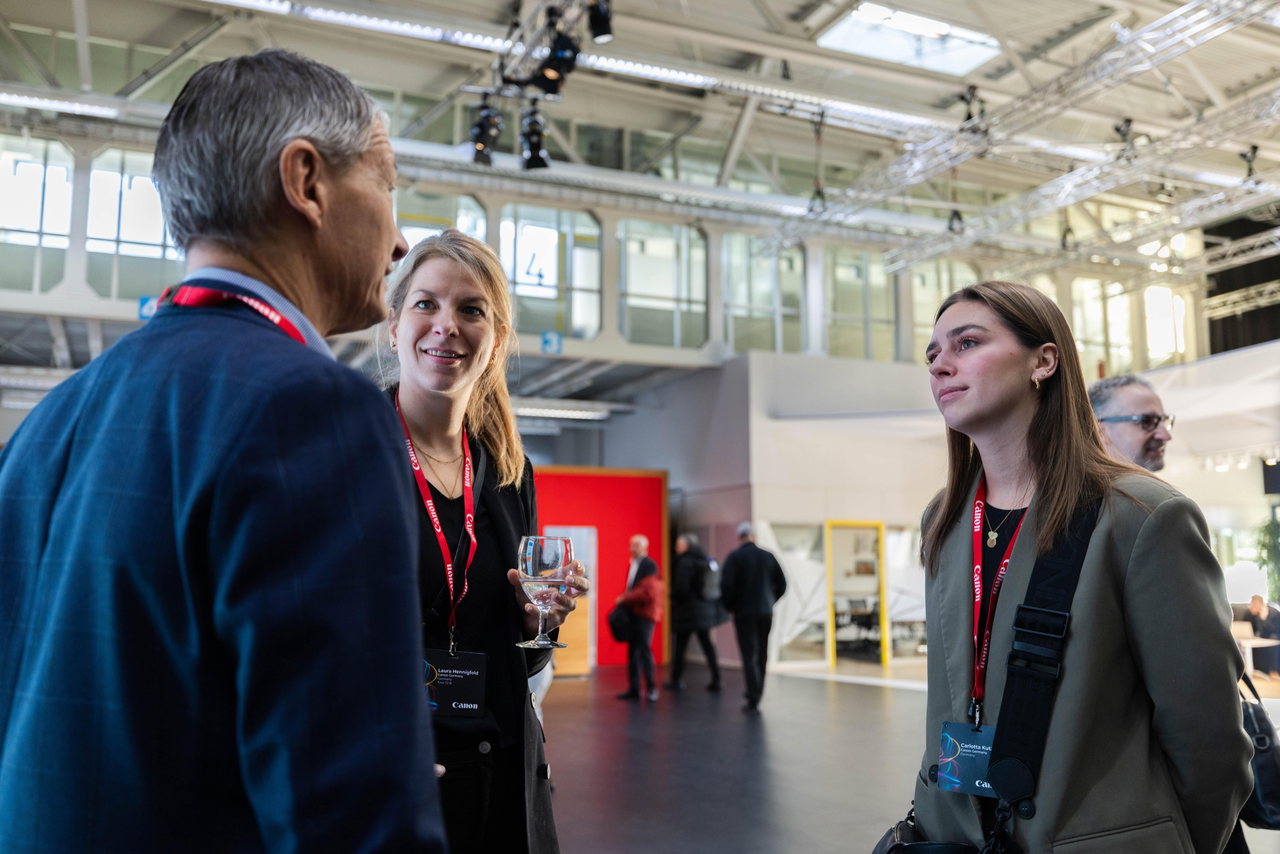
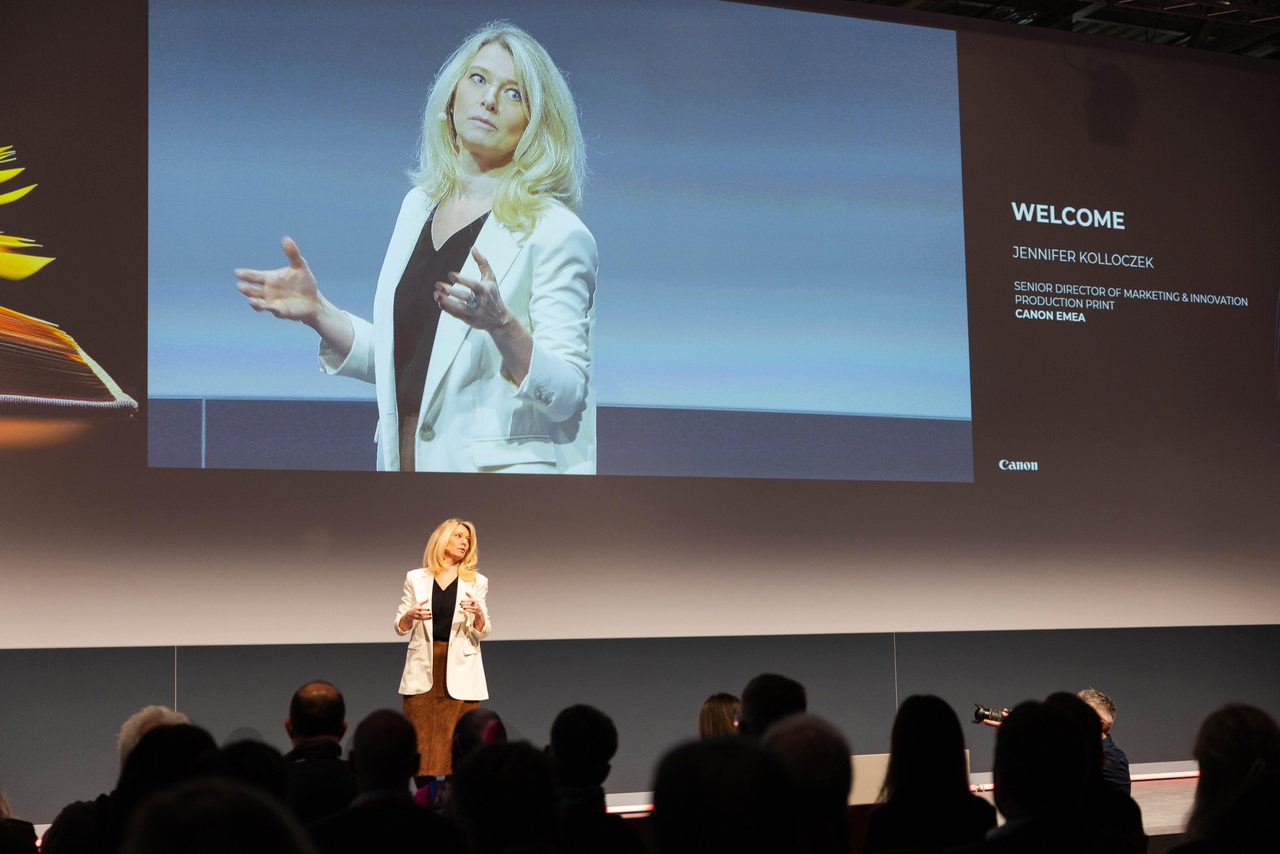
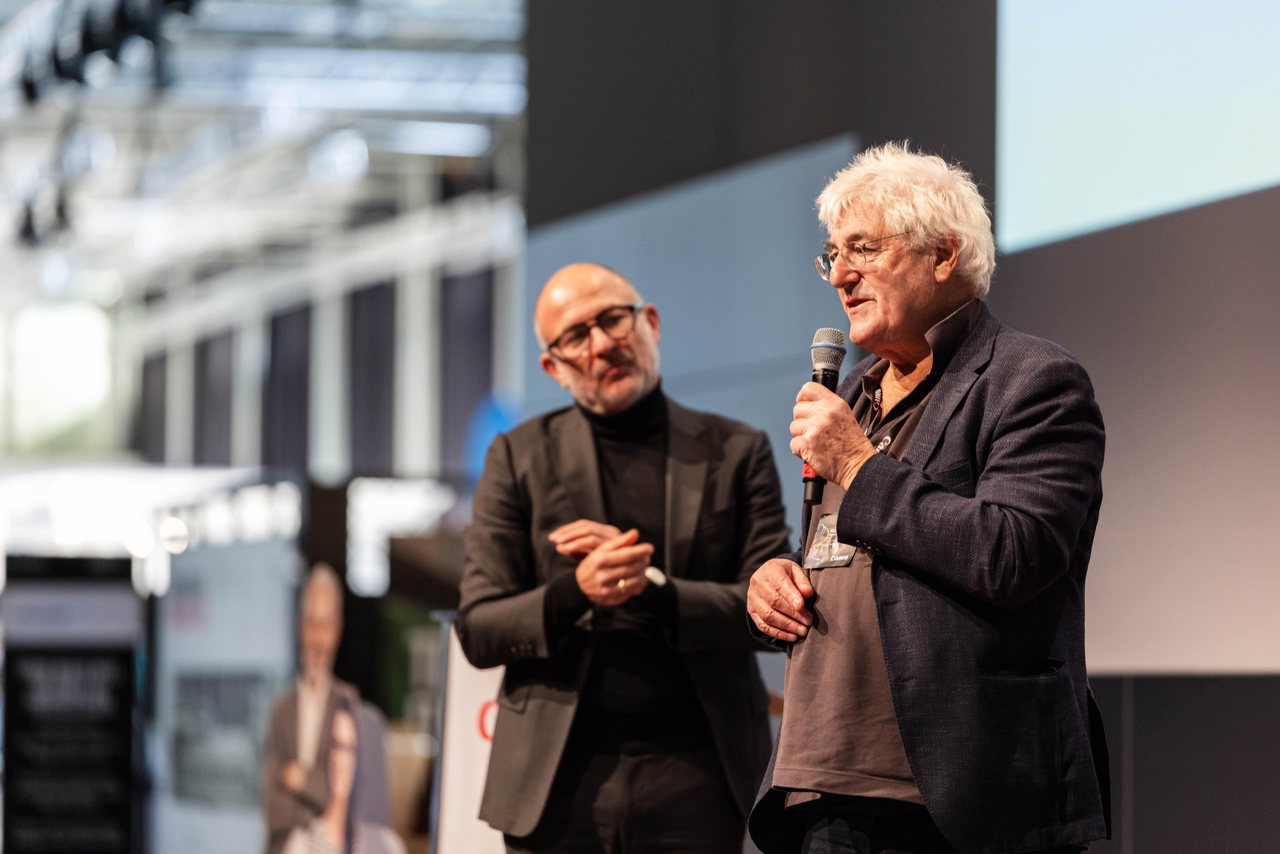
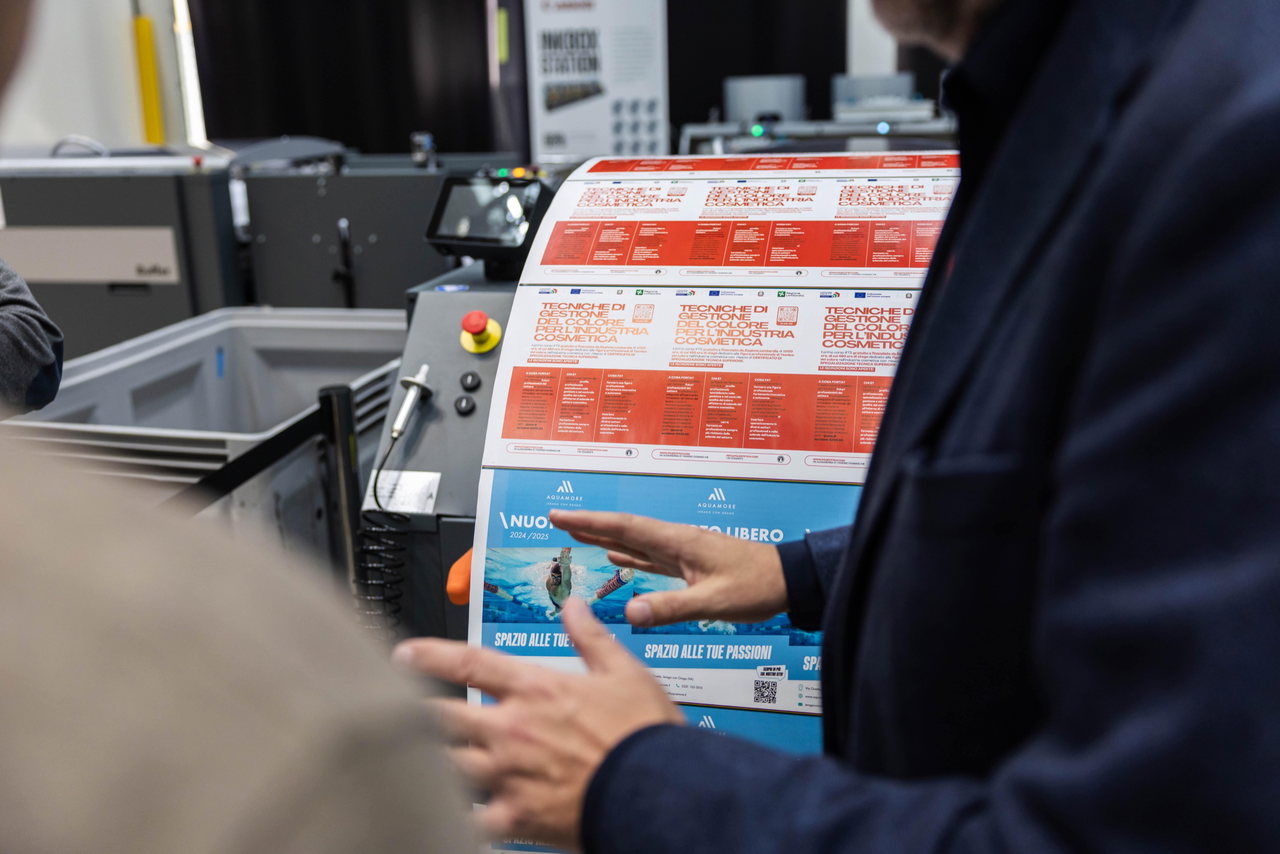
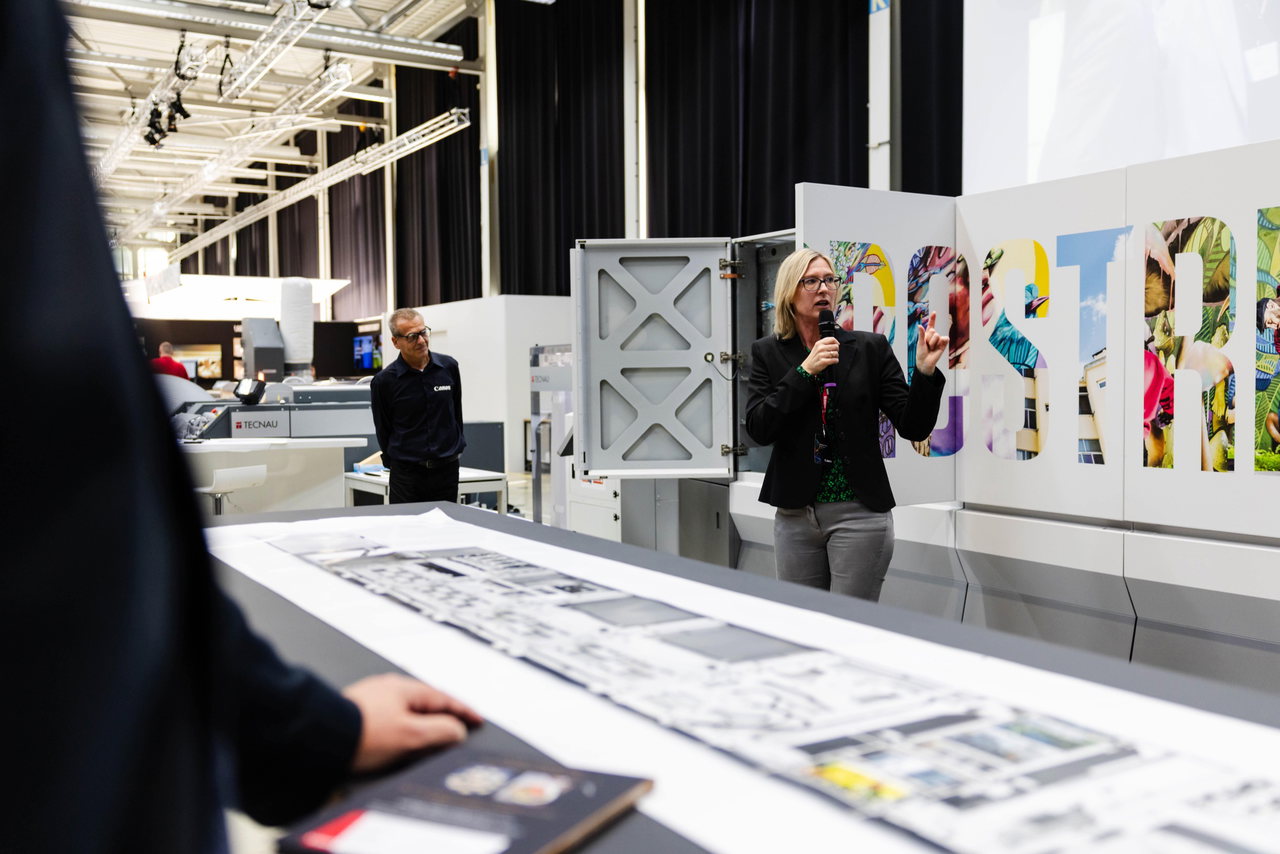
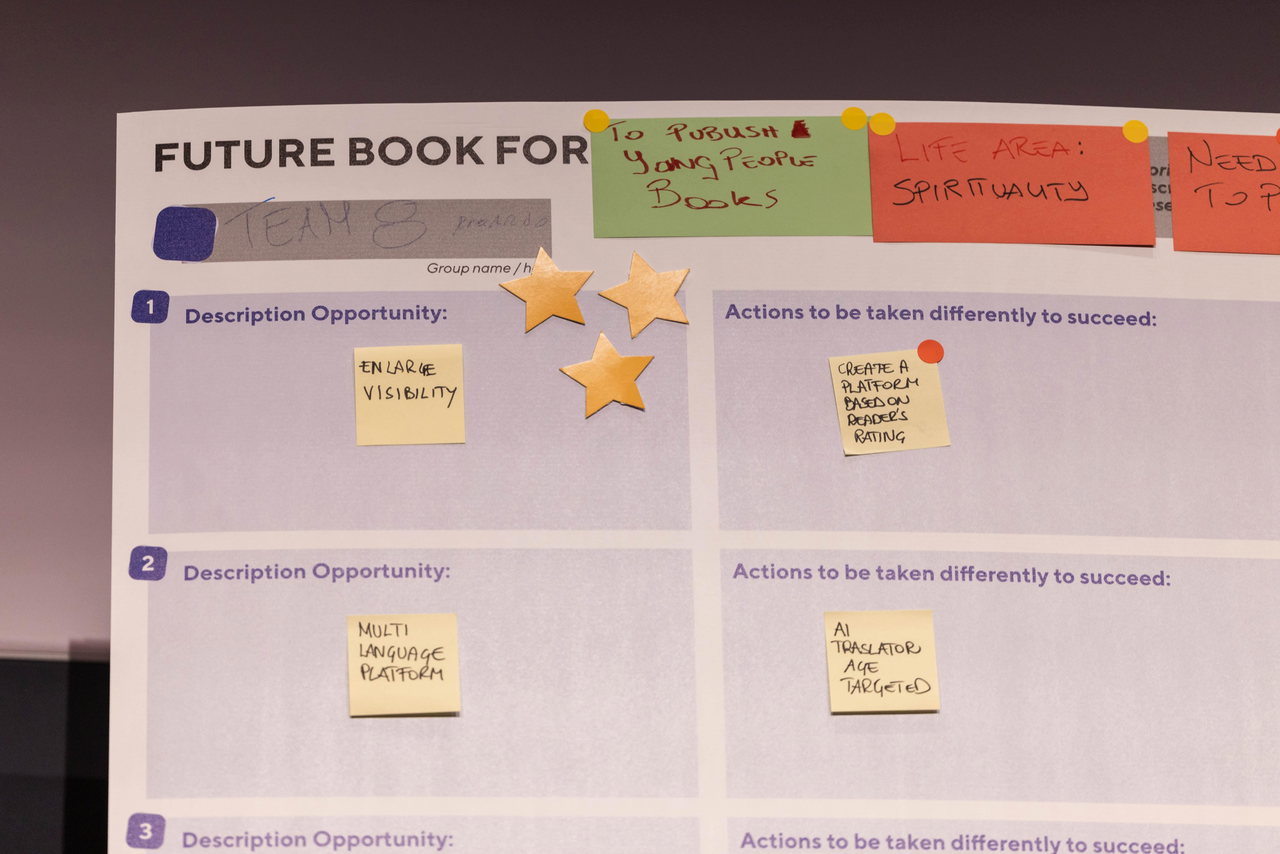
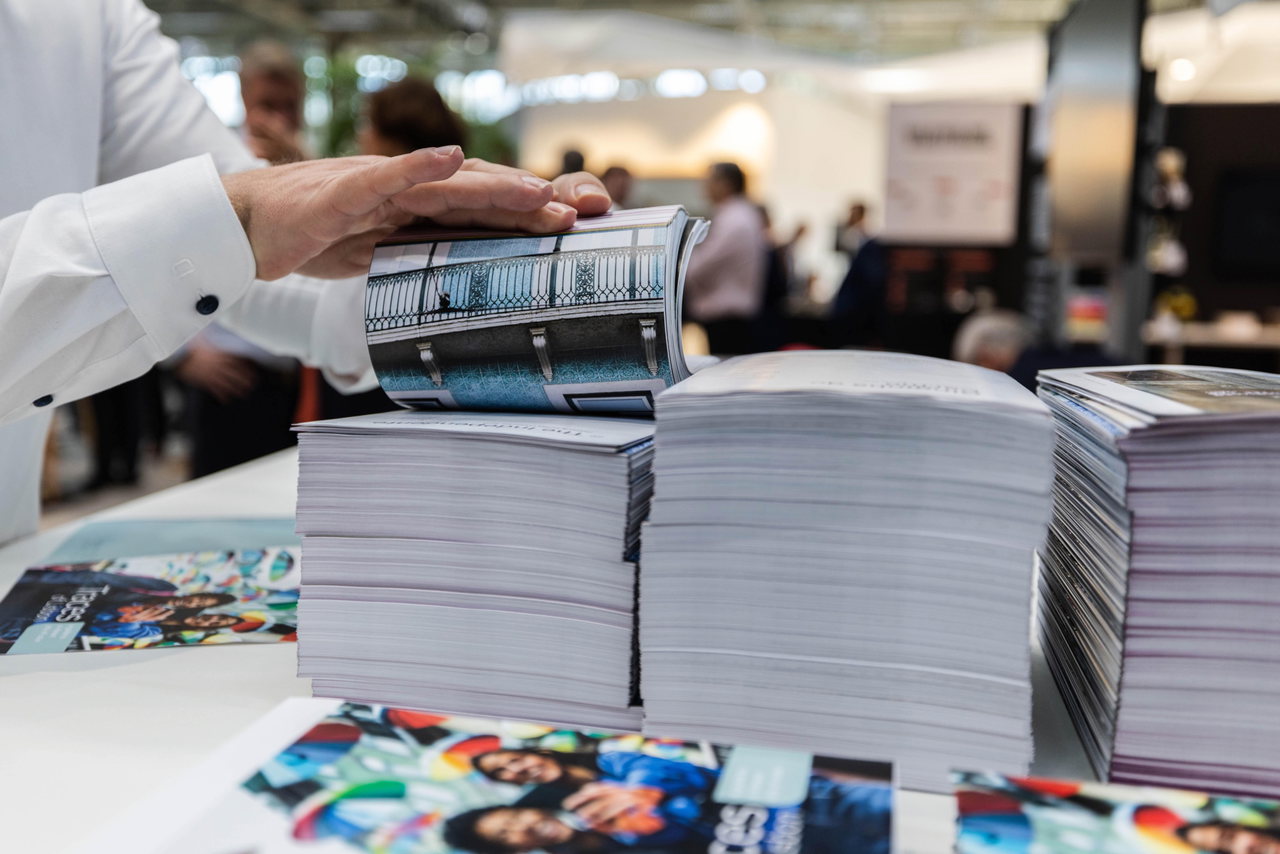
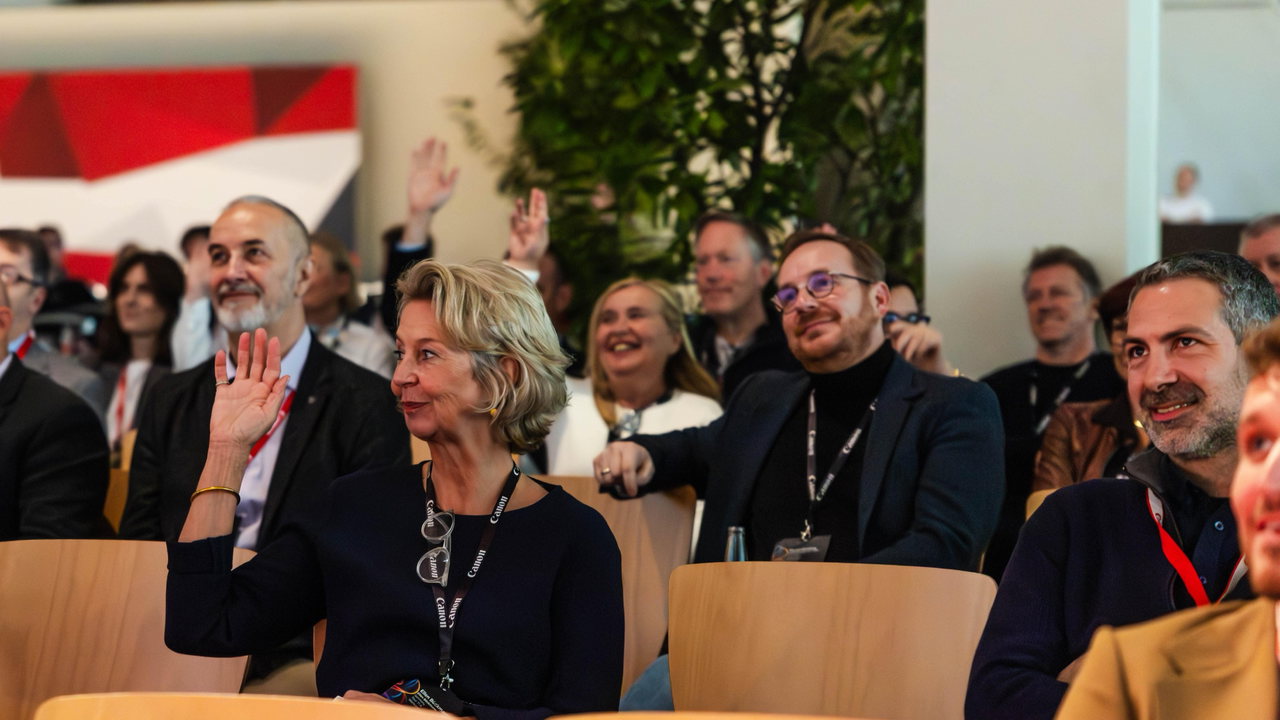
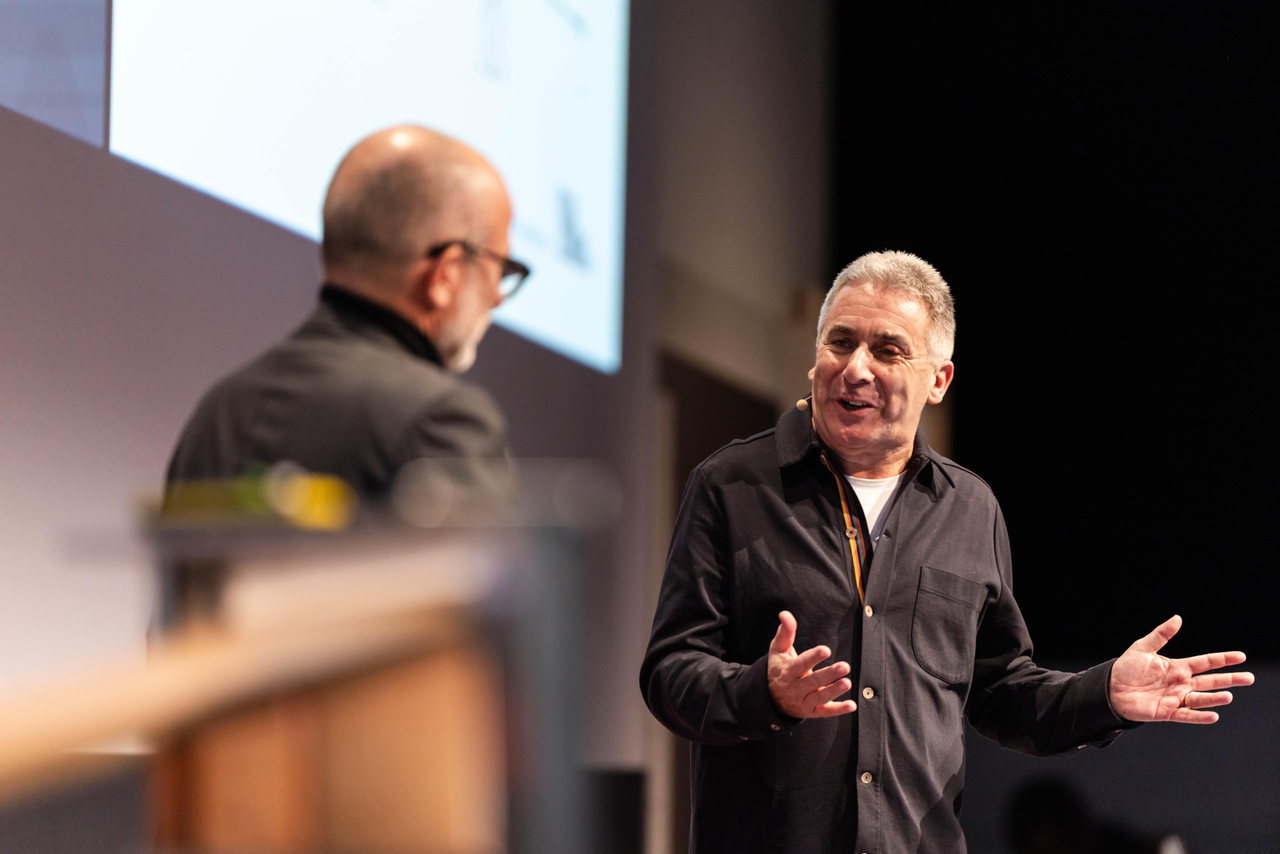
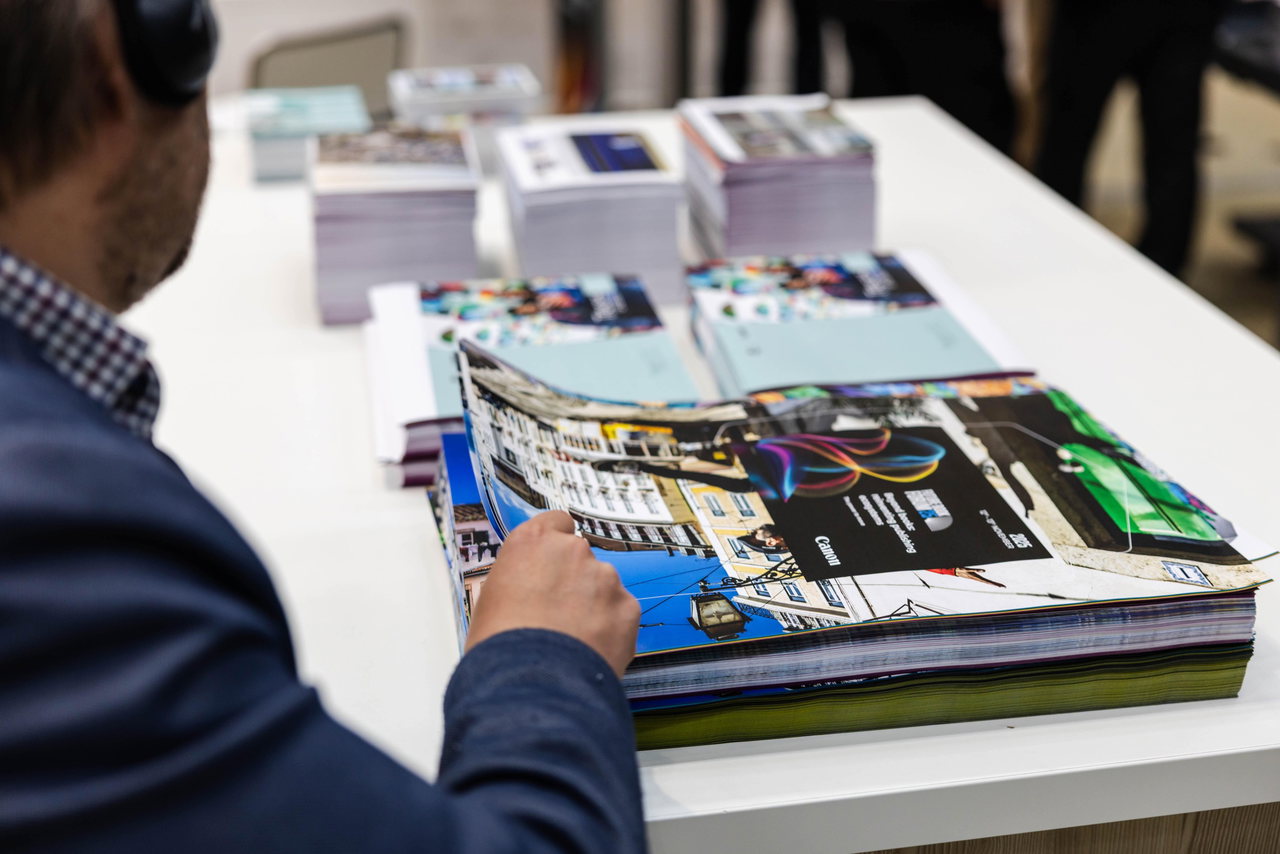
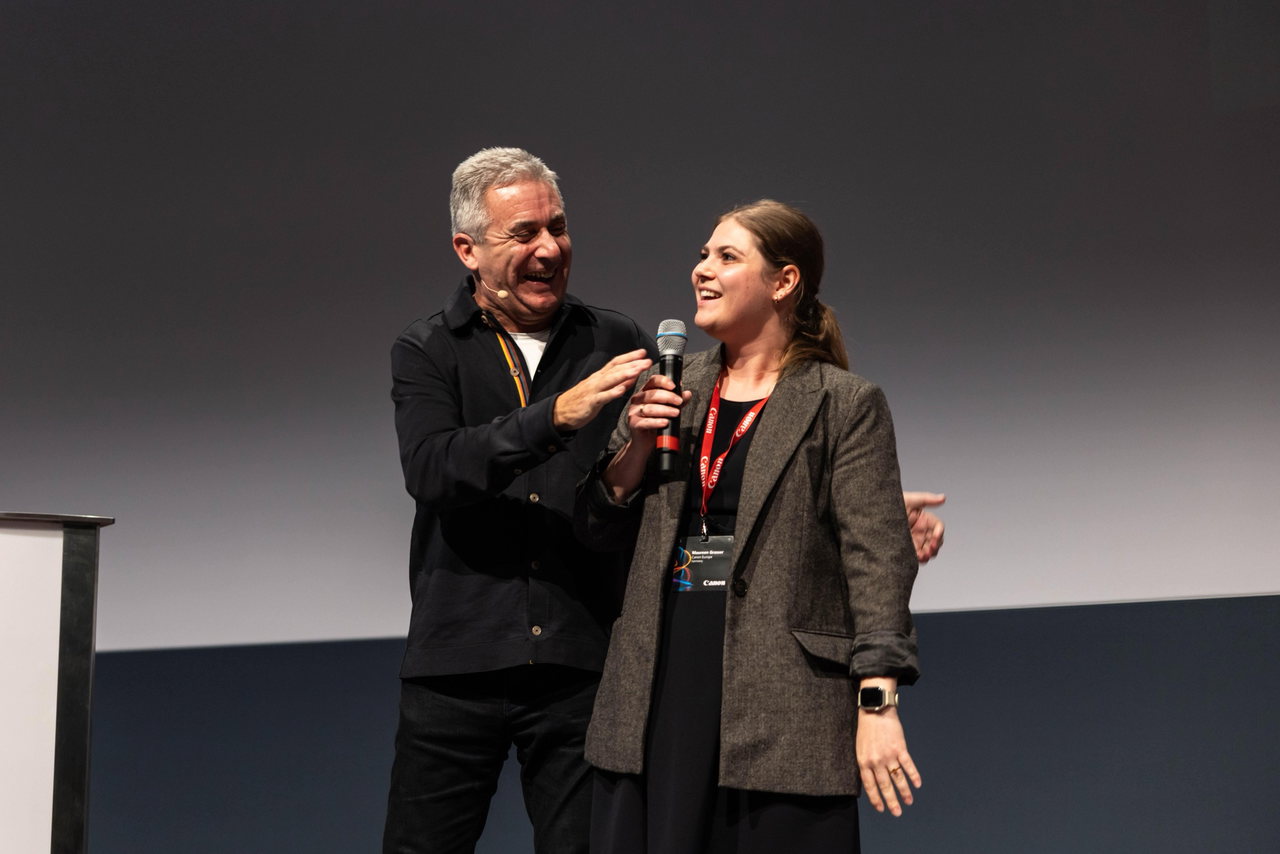
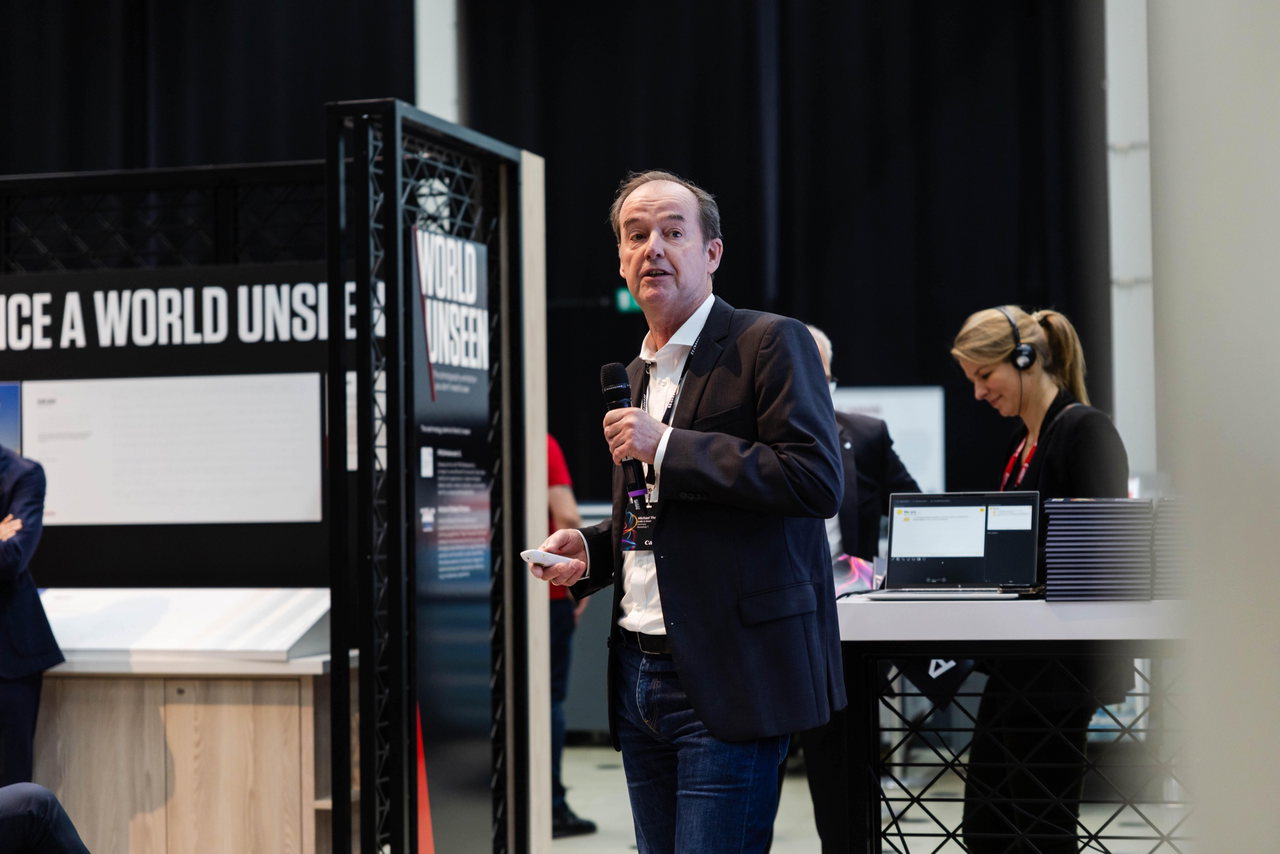
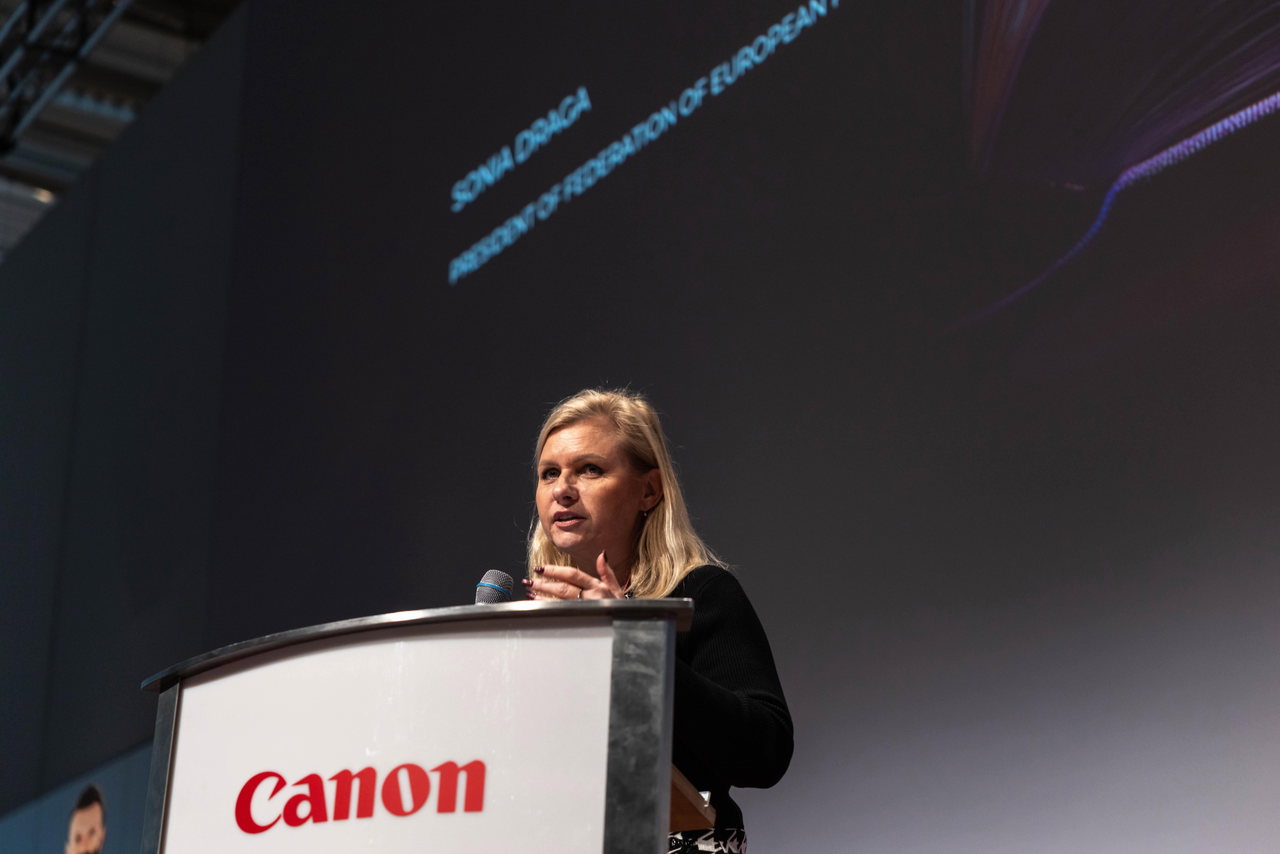
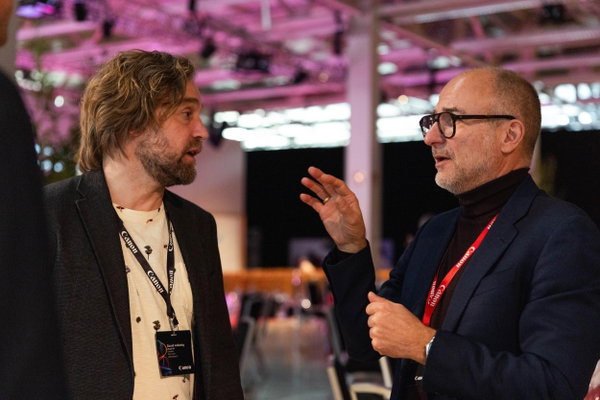
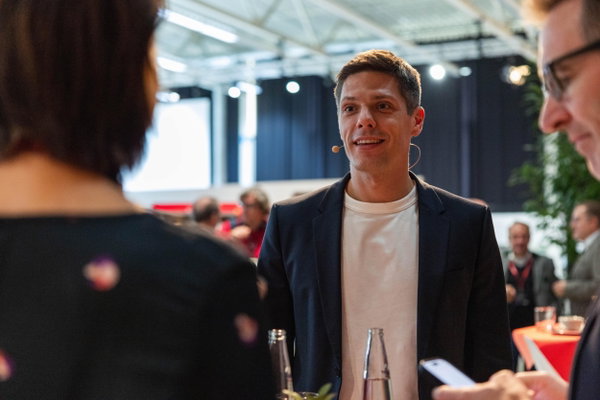
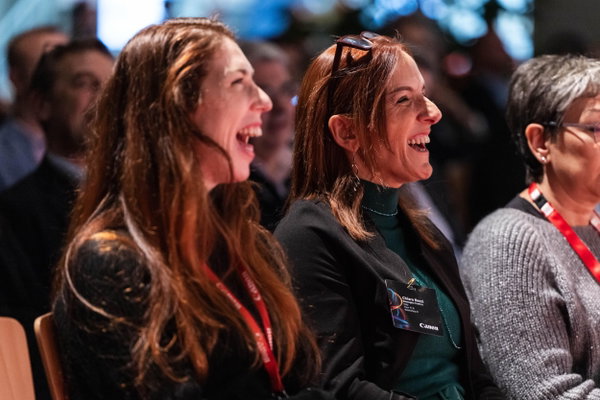
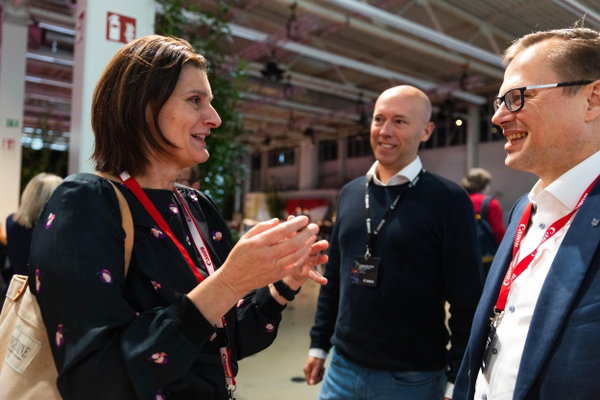
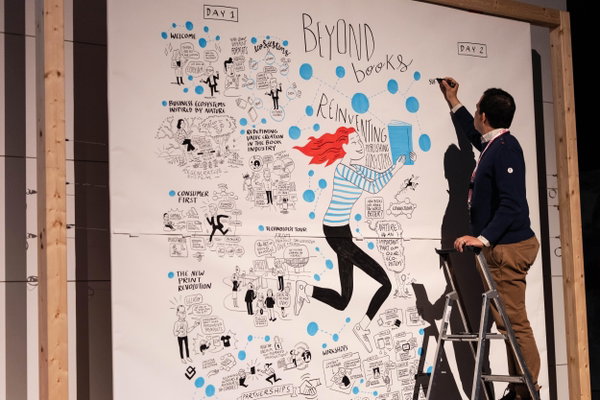
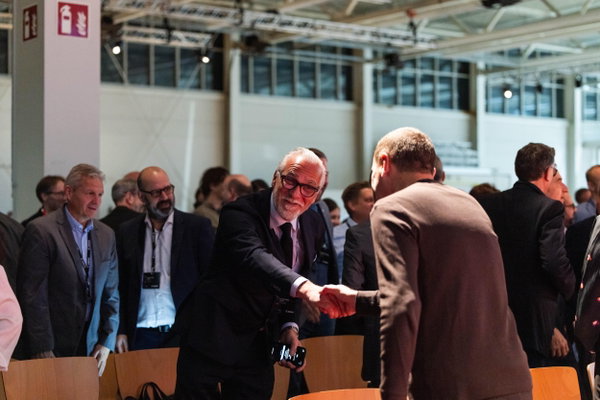
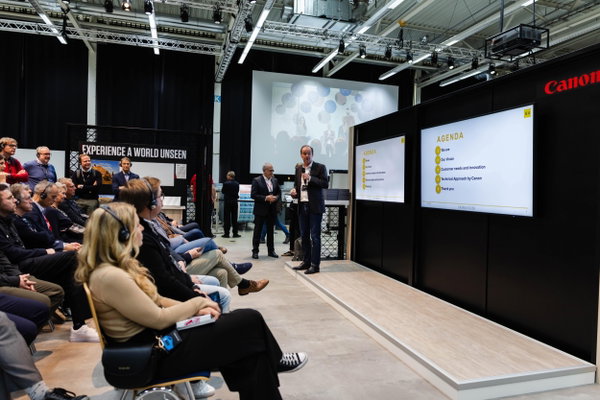
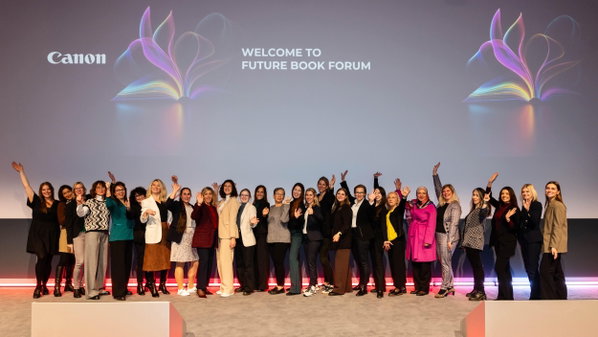
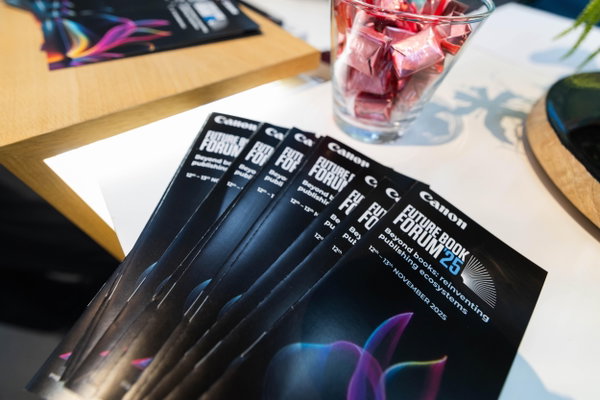
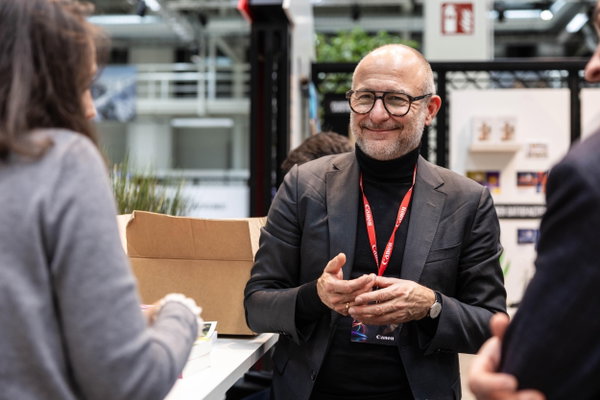
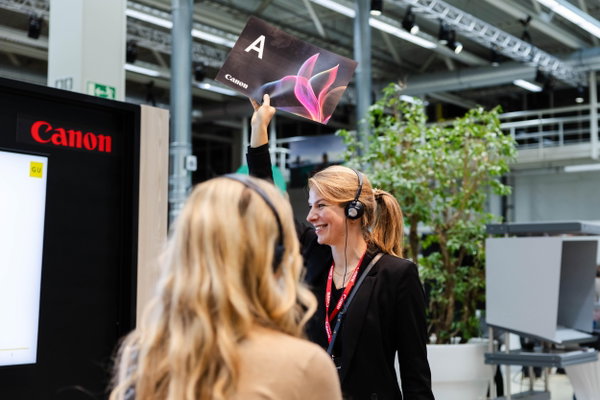
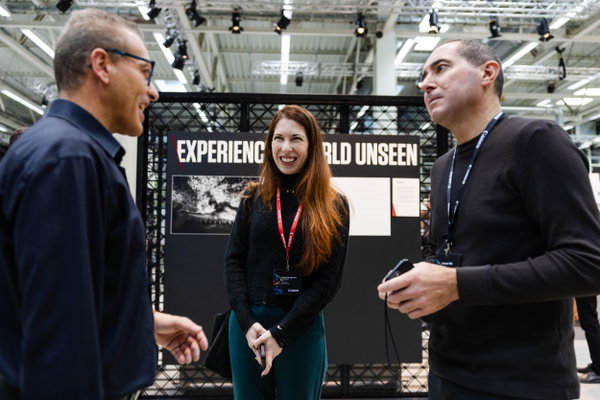
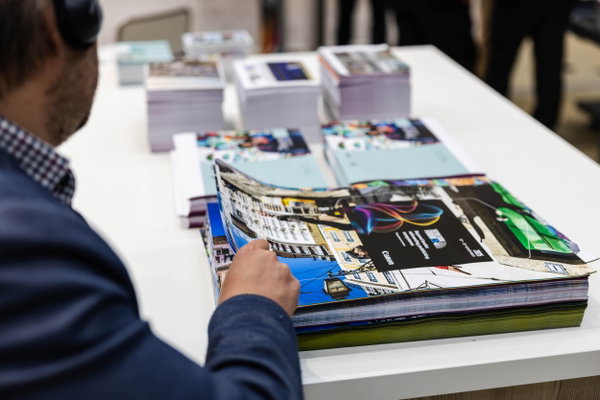
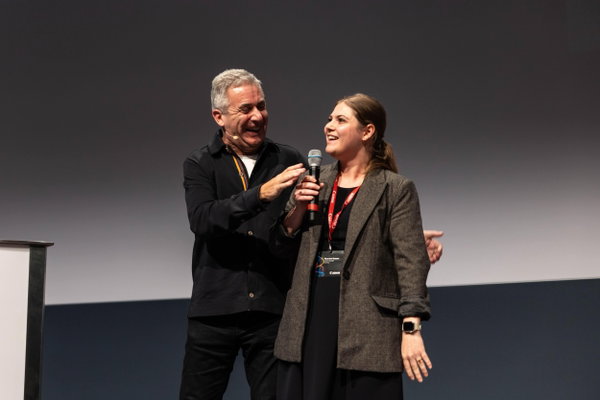
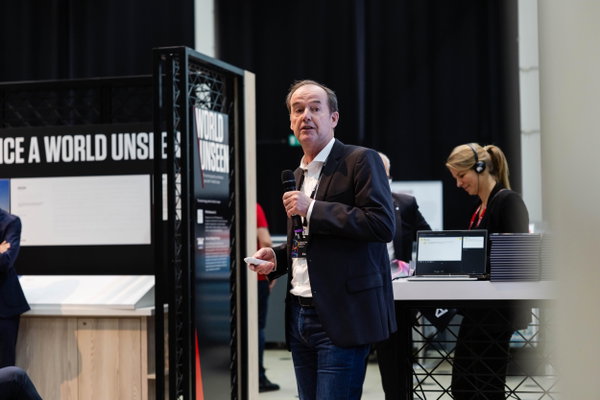
Impressions from Canon's Future Book Forum 2025

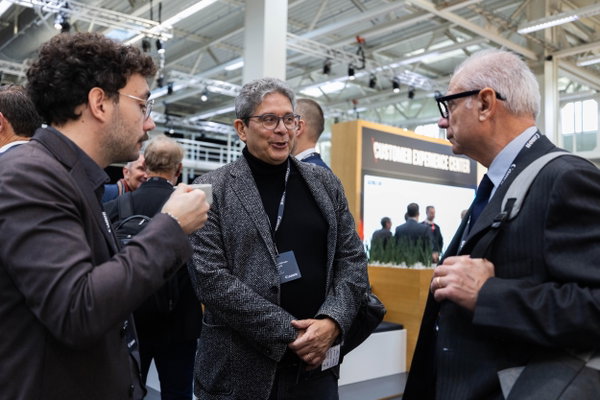
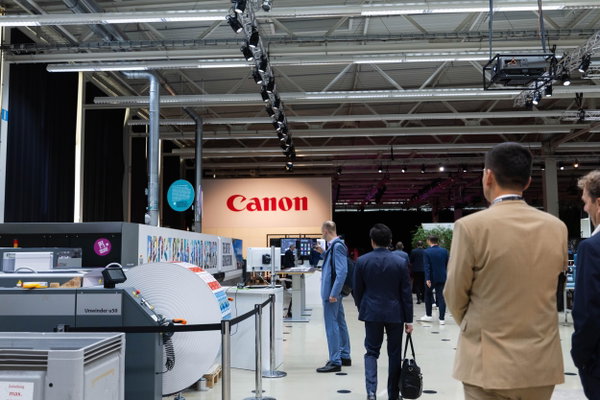
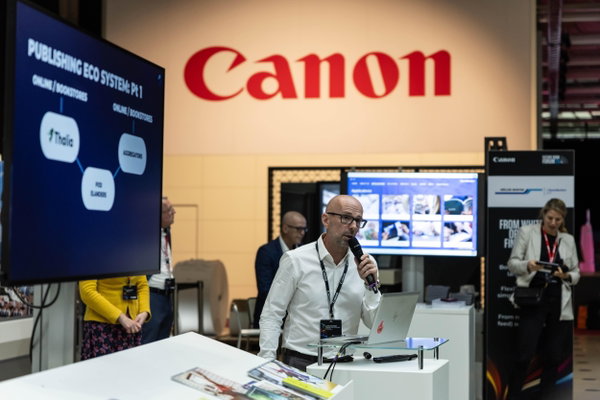
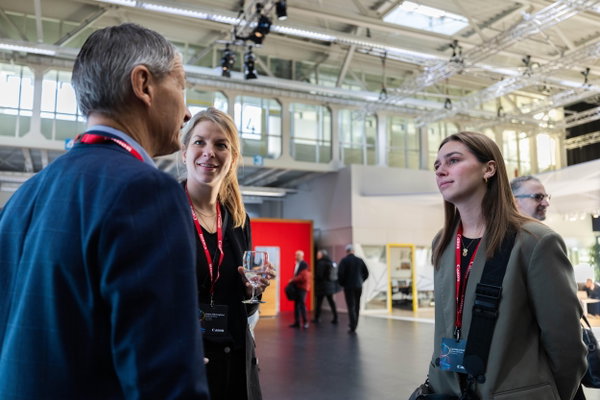
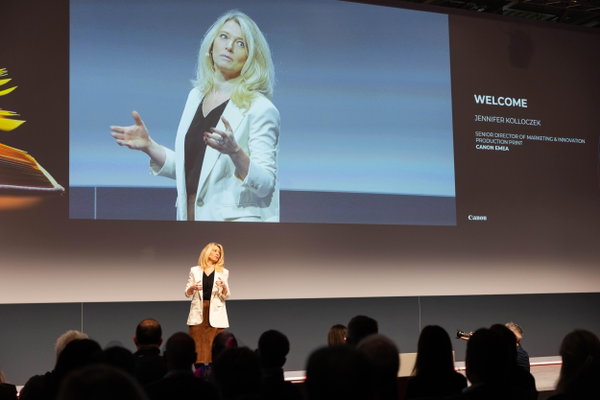
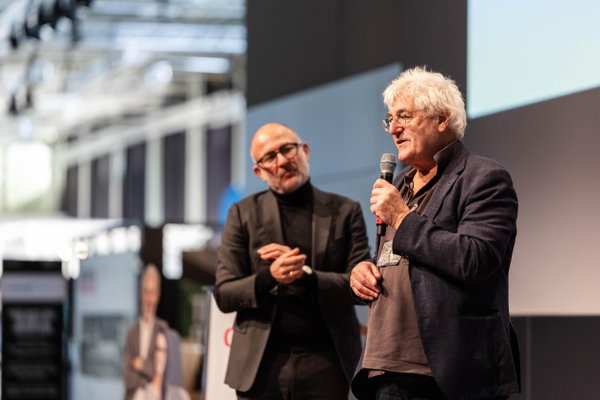
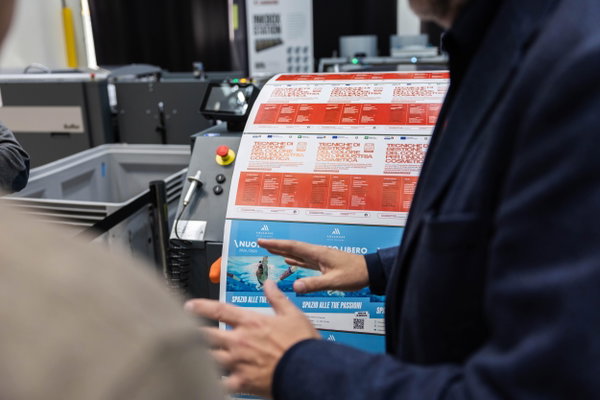
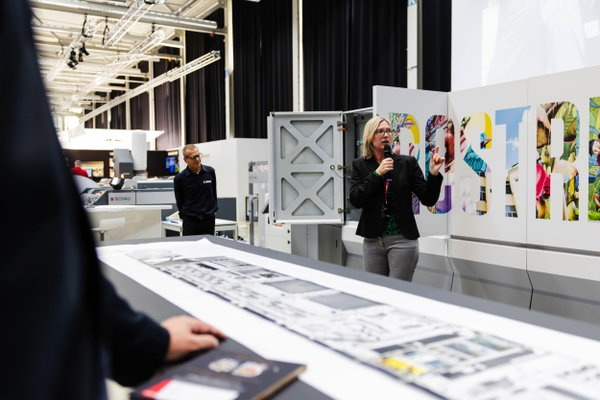
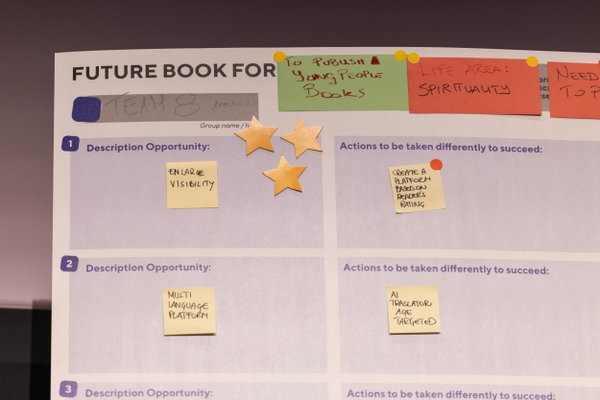
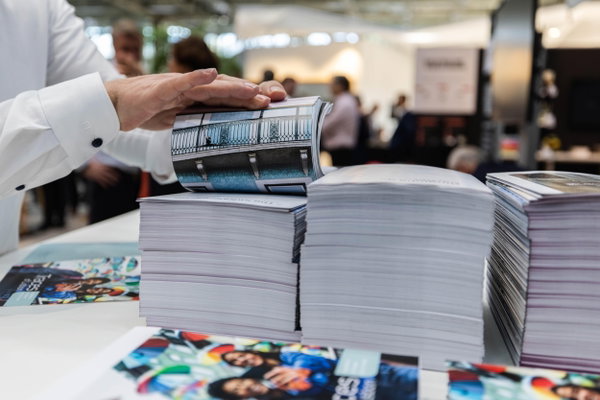
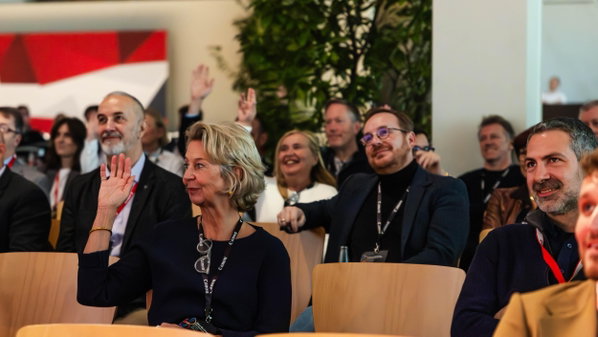
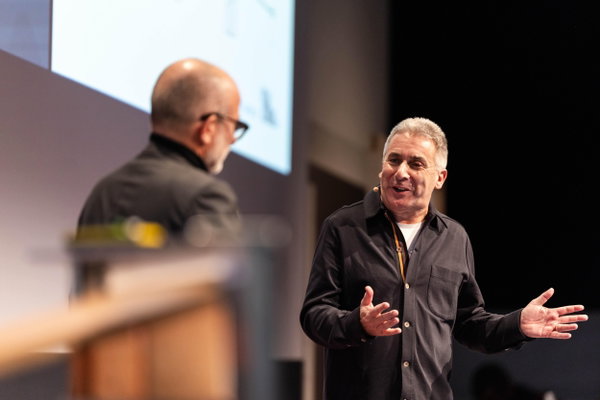
So for your next book, will you self-publish?
Peter: Possibly, and that would also mean a change for me. Today, I earn most of my income not from royalties from book sales, but from the sale of language rights. My books are usually translated into around 35 languages, and the amounts that foreign publishers pay to my main publisher for the rights are significantly higher than the royalties – in some cases many times higher.
If I self-published, I would lose these rights if I translated the books myself. At the same time, however, I would have a much higher margin and, above all, direct access to my audience. For me, the focus is less on the individual book and more on what readers can make of it.
"The book is just the starting point that sparks an idea in their head"
The book is just the starting point that sparks an idea in their head. They want to do something with it. In my case, they want to do better business—develop a new strategy or drive innovation. The book is typically just the starting point of what the user wants to do.
If you could help them work better or travel better, that's the big opportunity. But you have to have a connection with the end consumer to do that.
Let's talk about a success story: America's Test Kitchen. How does that illustrate your point about communities?
Jörg: America's Test Kitchen started as a magazine, then became a TV show and finally created a whole universe. We talked about them at our FBF when discussing communities in 2019. Their core value is cookery—being experts in cookery, like Küchengötter in Germany. They have test kitchens for the best pans, pots, and cutlery. Today they even do shipping cruises with cookery lessons. That's what's so cool, but you have to be brave to create such an universe. As Dalia said this morning, think about what your core value is, where you want to bring it, and who the people in your ecosystem are.
Peter: The shift and the growth won't be in books alone—it's "and books." How can you create a book and sell it with something extra? That's what America's Test Kitchen did. The audience loves cooking and trusts the brand, so it's not about books—the audience and community of people with passion are already there. Then you add books to that story.
It's exactly what publishers do when taking a Netflix movie and adding the book. It's what Walt Disney did—he started with Mickey Mouse and Donald Duck, then added theme parks, movies, and so on. Being able to add to worlds that already exist, where people have a passion and there's a ready-made community, is more effective than trying to dream up a book and find somebody to buy it.

We saw at this year’s Frankfurt Book Fair how young readers are completely attached to print. In this world of Young Adult and New Adult fiction the fandom phenomenon seems crucial.
Jörg: In 2016, we talked about reinventing the book, and we came up with ideas about fan-based selling and gifting. A book has value, and it links to the reader through social media.
Two years ago in Frankfurt, I saw people waiting outside in the cold for an hour just to get a signature in a book. This is because we're reaching the reader in a different way—giving them more than just the printed book. They have a relationship with the author through social media, and they become part of your universe.
“We have data that enables us to reach lots of niches”
Peter: We're mis-selling books and missing out on huge margins. If you think about the printed book as being like the vinyl record today, it becomes the special thing. We're giving away books, sometimes for ten or twenty euros, but when people want something collectible or special, they'll pay much more.
Paul Weller from The Jam published his autobiography and sold it through Paul Smith fashion stores—not bookshops—for 120 euros each. For that audience, where a Paul Smith jacket costs 400-500 euros, 120 euros isn't expensive. It's relative value in context.
Publishers will say, "That's a niche," but we have data that enables us to reach lots of niches. Any market is actually lots of niches rather than just average consumers. The lazy publisher sees mass markets as their audience because they're not prepared to personalize.
For some people, yes, they'll want pulp fiction at a lower price—that's like downloading tunes or streaming. But for people who value something much more, the printed book becomes something they treasure and could have much bigger margins. It's not luxury—it's meaningful to the person.
Jörg: There are two girls from Milan who created Heloola. This book club begins with a carefully selected book from the month’s list, which includes both Italian and international releases. Each subscriber has the option to receive the book directly at home in either paper or e-book format, depending on their subscription plan. Upon receiving the book, subscribers can access it in the digital library. The book is accompanied by exclusive content, such as in-depth videos, interviews with authors, and unique reading suggestions. So these are books with added values. We need to be much more open.
We also need more data and to analyze what people are looking for on Google, what the next products might be, what the hot topics are. Maybe one of those backlist titles could be the next bestseller. But at the moment, it's like fishing—you're just waiting for a fish to catch your fishing rod.
„Digital printing is sustainable, has profit impact, and people aren't using it enough“
Final question: If you could advise a publisher on one single area to prioritize investment in the next two or three years, what would that be?
Peter: Lifelong learning. Seeing education as something continuous over time, not just at school or university age. Within lifelong learning, you could include how to cook better, be healthier, run faster—whatever. It's about investing in solving the community's challenge, not in books or AI or print systems themselves.
What Dalia did was start with the education need of the consumer, then thought about how to bring all those things together. Her investments have been absolutely focused on things that add to solving the problem of education, creating a bigger solution through her ecosystem.
You don't have to invest in or own companies—you can do it through collaboration. But investing gives you exclusivity and a distinctive competitive edge. In many cases, it's about having the right strategy and the right idea rather than having money.
Jörg: I agree with Peter, but as a representative of Canon, a solution provider for digital printing solutions and partner of print service providers, I naturally prioritize a stronger investment in the digitization of book production. And by the digitization of book production, I mean both the manufacturing of printed books itself and the upstream and downstream processes in book publishing, distribution, and logistics. I see a huge potential in digitization and the adaptation of AI in publishing processes, combined with print-on-demand (POD) and intelligent distribution. And I am convinced that the ecosystem approach will help the book industry to unlock this potential, especially for the many small and medium-sized enterprises that make up the book industry in Europe. And this is not just about economic aspects, but also about diversity and sustainability.
Publishing 2030 Accelerator: driving sustainability by distributing print
The initiative focuses on scaling its global digital printing network to eliminate book overproduction and shipping.
The example of Nahdet Misr publishing group in Egypt, which is building innovative ecosystems with new partners – especially startups – is a true inspiration in this context. Learners from kindergarten children to adult education have diverse needs, and data, digitization, adoption of AI and the use of all media formats, including print, are critical to create unique and individualized learning journeys. The role of printed learning materials needs to be rethought in each of these learning journeys, and digital printing, print-on-demand (POD), and personalized print materials offer innovative applications and learning experiences.
At the FBF 2025, we also encountered a new business concept in the guide-book segment. Gräfe und Unzer, Germany’s leading cook and guide-book publisher, presented the “My Book” concept, which combines quality content with personalized books to create experiences that go far beyond reach and have a real impact for publishers, buyers, and readers.
Recently, we also have seen investments by publishers and other stakeholders in print-on-demand (POD) – for example, a large publishing group that has established its own in-house digital book production to meet demand more agilely and with less inventory risk. Or the announced collaboration between the print service provider Elanders Print & Packaging and Thalia, one of Germany’s largest bookstore chains, who are jointly planning a POD production at the retailer’s distribution center.
But I think the potential of digitization, AI adoption and POD is much greater, and we at Canon, together with other stakeholders in the industry, want to enable especially small and medium-sized publishers to access and efficiently use these new technologies. We certainly recognize that it’s still a major balancing act for publishers to meet the potential demand for large print runs of a book title while simultaneously reducing inventory. Channels like BookTok lead to certain titles unexpectedly trending and a need for high print runs in the short term. Partially declining printing capacities in the market and lower paper stocks are leading to long delivery times in many countries, making it difficult for publishers to quickly meet short-term demand. This leads to publishers still building up large inventories, as the risk of missing out on sales is too high. From our perspective, a distributed book POD network offers many possibilities to solve this problem. The production of larger print runs can be distributed across many different service providers, digital book print enables fast turnaround times, and the transport routes to the point of sale can be shortened.
And an important side effect is that the industry’s investment in such infrastructure also improves the sustainability of the book business. Such a model offers many savings in terms of waste, inventory disposal, and emissions from transport and shipments.
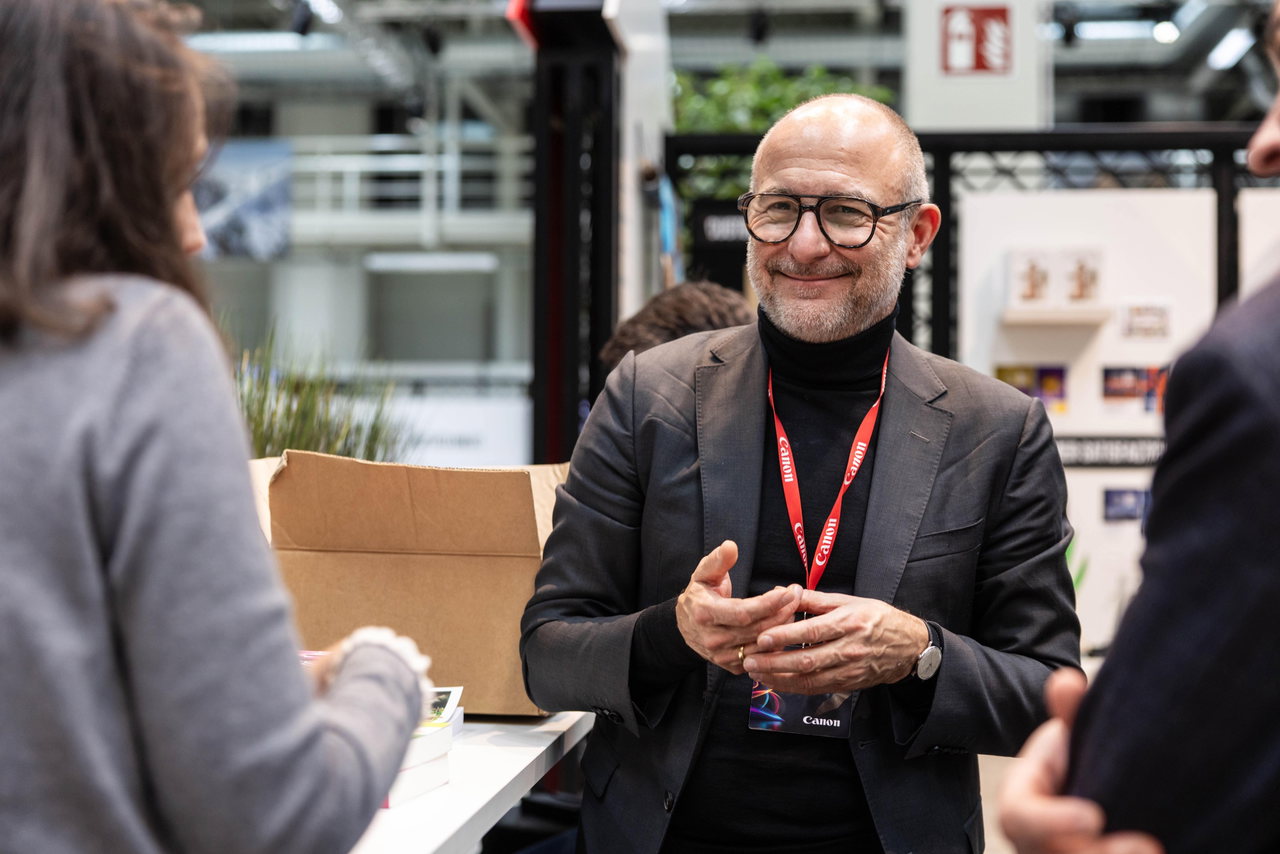
Jörg Engelstädter (LinkedIn) is European Business Development Manager and Founder of the Future Book Forum, which brings together publishers, printers, and other thought leaders of the publishing world annually to explore the future of the industry.
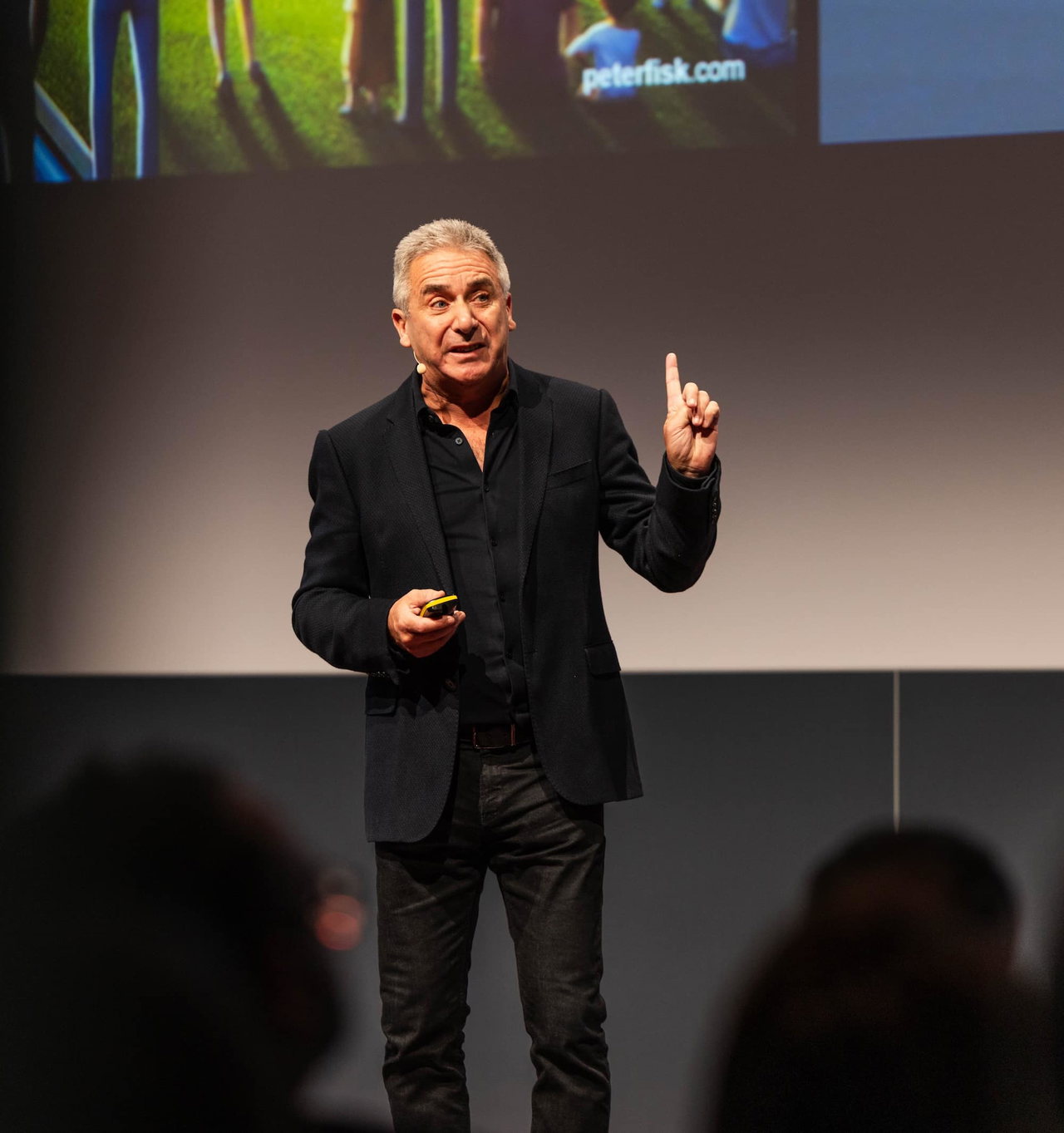
Peter Fisk (LinkedIn) is a business advisor, author of ten books translated into 35 languages, and an advisory board member of Canon's Future Book Forum.