"selling shoes without selling shoes"
Adidas' digital evolution: exploring new ecosystems enhancing its physical business
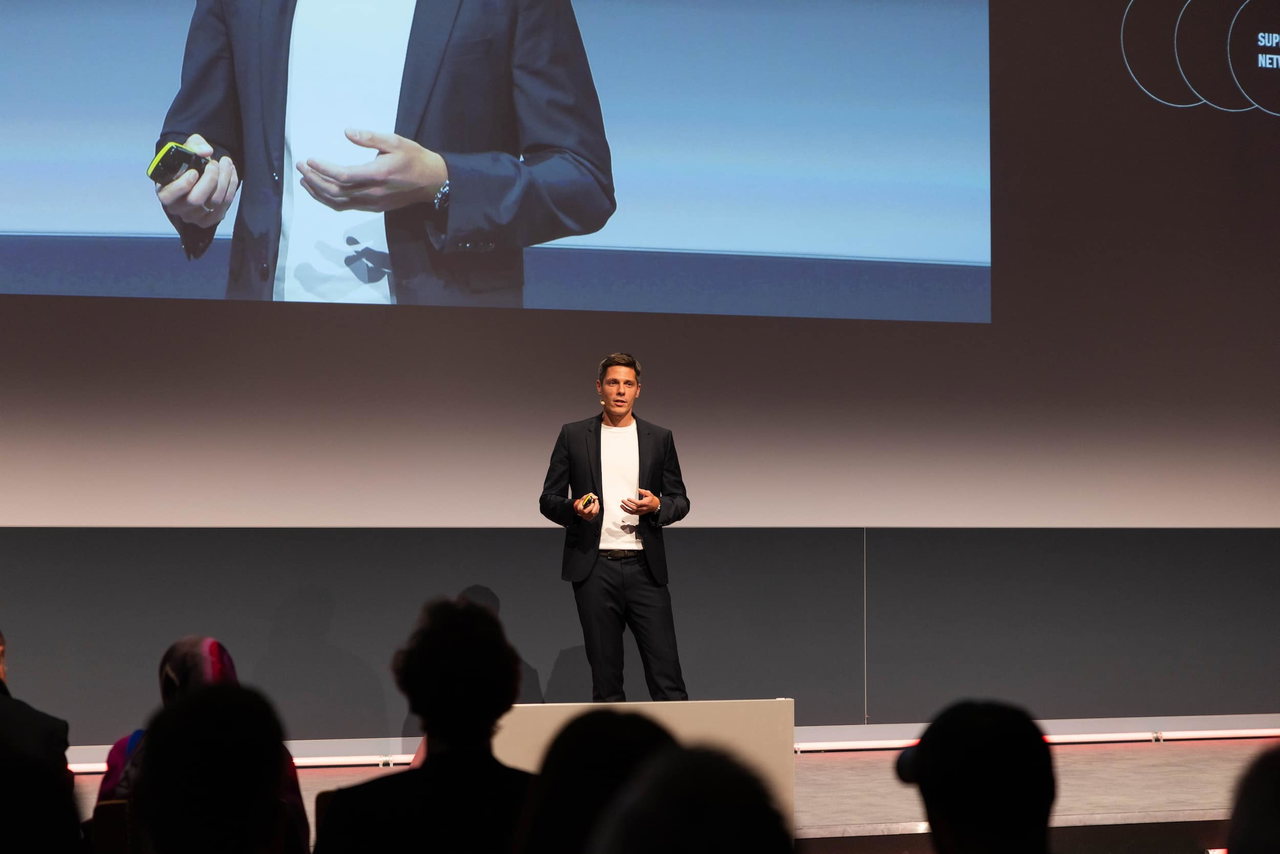
Adidas is reshaping its business model by venturing into the digital ecosystem, with a particular focus on gaming. This strategic enhancement of its core business, centered around consumer-centric innovation, was outlined by Christian Koeber, head of global brands project management office at Adidas, during Canon’s Future of Book event. The discussion highlighted the company’s efforts to remain relevant in an ever-evolving market while adapting to new consumer behaviors.


Adidas’ consumer-centric approach: a mandate for relevance
At the core of Adidas' strategy is a commitment to its mantra, "consumer first." In Koeber's words: “If we fail at that (to delight the consumer with products), they will just not buy. Because the harsh reality is that consumers do not really care about your brand." Koeber emphasized that delivering value to consumers is non-negotiable, as brand loyalty cannot be assumed in today’s competitive landscape. The company's legacy, built over 75 years of creating sportswear to connect fans with athletes and teams through shared passion, remains foundational. However, the evolving consumer landscape—alongside shifting cultural and technological paradigms—has prompted Adidas to rethink how it engages with its audience.
In addition to its established focus on physical products, Adidas is leveraging collaboration to drive innovation. From tiered supplier networks to partnerships with clubs, federations, and individual athletes, co-creation is a cornerstone of its product development process. This collaborative model extends beyond traditional manufacturing to include innovation in materials, production techniques, and storytelling.

Photo: Adidas
Expanding Adidas’ ecosystem: gaming as the next frontier
Recognizing the cultural and economic significance of gaming, Adidas has embarked on a journey into this digital space. With billions of active users globally, gaming offers a unique consumer touchpoint. Platforms like Roblox, which boasts over 350 million monthly active users (half of whom are under the age of 16), represent an opportunity to engage younger audiences, particularly Gen Z and Gen Alpha.
These demographics, expected to dominate future consumer segments, spend significant time and money within gaming ecosystems—creating a lucrative avenue for Adidas to build long-term brand loyalty. Koeber: “It's exactly those kinds of people that you would like to reach and connect with early on, so that over the span of their life and over the span of their growth, once they become a significant consumer group and have significant spending power, they still have that connection to your brand."
So Koeber outlined three key motivations for Adidas’ entry into gaming as a strategic complement to the core business:
Consumer engagement: Gaming is a highly immersive and interactive environment, making it an ideal platform for meaningful brand interactions.
Future-proofing the brand: By engaging with younger generations early, Adidas aims to maintain its relevance as these groups gain purchasing power.
Business model innovation: Beyond marketing, gaming presents a viable revenue stream through the sale of digital assets, such as branded skins and virtual merchandise.
From physical to digital: a new way of creating value
Adidas’ foray into gaming reflects an enhancement to its value creation model. Traditionally grounded in physical products, the brand is now also exploring virtual goods and experiences. Koeber: “For the first time, we thought about how we can sell shoes without selling shoes. This is beyond the shoe, if you want."
For example, Adidas has partnered with games like Fortnite and Roblox to offer digital apparel and accessories. These items, while intangible, allow consumers to express their identity and allegiance within virtual worlds. The company has also ventured into licensing its iconic three-stripe branding for in-game elements, a move that benefits both Adidas and game developers.
This approach required the development of new partnerships, including collaborations with game developers, gaming teams, and influencers. Unlike traditional athletes, gaming influencers operate at the intersection of esports and content creation, necessitating new modes of engagement.
Key learnings from Adidas’ digital evolution
Koeber shared several insights from Adidas' ongoing journey into gaming:
Acquire expertise: Navigating new ecosystems requires specialized knowledge. Adidas leveraged internal talent with deep gaming expertise while building additional capabilities over time.
Embrace agility: Traditional long-term strategies often fall short in rapidly changing digital environments. Testing and iterating based on community feedback is crucial for success.
Respect the ecosystem: Authenticity is key when entering established digital communities. Adidas has tailored its content and approach to align with the preferences of gaming audiences, ensuring seamless integration into their world.
Conclusion
Adidas’ entry into gaming underscores the importance of adaptability in the face of digital transformation. By embracing new ecosystems and reimagining its value proposition, the company is positioning itself for sustained relevance in a dynamic market. This bold move demonstrates that even legacy brands can thrive in unfamiliar territory by staying true to their consumer-first philosophy while innovating beyond traditional boundaries.
Photos: Canon, Adidas