the rise of collectable editions in publishing
Ellie Ireland on printed books as high value products
In recent years, the book world has undergone a luxurious transformation. Minimalist designs have given way to foiled hardcovers, sprayed edges and intricate dust jackets as collectable editions rise to dominance in the publishing industry. These decorative, limited-run books are now a major revenue stream for publishers and a hot commodity among readers, collectors and ‘BookTok’ influencers alike.

Published: 28.5.2026 | Foto / Video: KI-generiert, Magnific
But behind the beauty lies a more pressing question. What is the environmental cost of this gilded age of publishing, and can the industry’s sustainability goals keep pace with the demand for ever more elaborate physical books?
Why collectable editions are reshaping the business of print
From independent booksellers offering exclusive dust jackets to major publishers printing multiple variants of a single title, special edition books are everywhere. Online retailers and subscription boxes like FairyLoot, Illumicrate and OwlCrate have built entire business models around exclusivity. Their offerings often include sprayed or stencilled page edges, cloth-bound covers with custom foiling, unique endpapers, ribbon bookmarks and even bonus content.
These editions are designed to stand out, not just on a shelf but online too: TikTok and Instagram reels showing the unboxing of these treasures rack up millions of views. For publishers, they offer a lucrative upsell, often retailing at two or even three times the price of a standard paperback. And for readers, they transform books into keepsakes, something personal, precious and (most importantly) Instagramable.
The hidden environmental cost of deluxe book production
However, this ‘more is more’ approach comes at a time when the publishing industry is under huge pressure to reduce its carbon footprint and waste. While paper is a renewable, recyclable material with a relatively low environmental footprint when sourced responsibly, the added embellishments in collectable editions do increase waste and reduce overall sustainability. Now, the surge in collectable editions adds new challenges:
Non-recyclable components: Foils, lamination, glitter-based designs and synthetic ribbons are difficult or impossible to recycle.
Chemical-heavy processes: Sprayed and stencilled edges often rely on toxic inks or solvents that increase water pollution and energy use in production.
Overproduction and waste: Unlike standard editions that can be reprinted as needed, collectable editions are usually printed in large, one-time batches. If sales fall short, they may end up pulped or discarded.
Increased packaging and shipping: Special edition books are often shipped with merchandise (bookmarks, pins, art cards), requiring more materials and packaging and incurring greater carbon emissions, particularly with international shipping.
A 2023 report by the Publishers Association UK found that distribution and production accounted for over 60 percent of publishers’ carbon emissions, much of it linked to overprinting and global logistics. Similarly, Penguin Random House’s sustainability report highlights the challenges of meeting climate goals while catering to rising demand for deluxe formats.
This growth in high-end editions is clearly driven by genuine reader enthusiasm. However, it also reveals a growing tension within publishing: how to serve a beauty and content-driven audience without compromising on environmental responsibility.
Many readers are now more climate-conscious than ever. A 2022 Nielsen BookData report revealed that 38 percent of UK book buyers would be more likely to purchase from a publisher that prioritises sustainability. Initiatives such as the Book Chain Project, a collaboration among major publishers to improve paper sourcing and supply chain transparency, are becoming increasingly important.
Some publishers have responded by committing to carbon reduction targets and improved paper sourcing. Others have explored soy-based inks, biodegradable foils or recyclable packaging for special editions. But these innovations remain the exception, not the rule, especially in the collectable market.
Can beautiful books and sustainable publishing coexist?
It’s tempting to think that aesthetic innovation and environmental sustainability are at odds, but the two can, and must, coexist. Publishers can explore a variety of creative solutions: using FSC-certified or recycled paper, printing with vegetable-based inks and opting for minimalist designs that celebrate craftsmanship over embellishment.
Meanwhile, smaller print runs, pre-order-based production models and transparency about materials can help reduce overstock and give readers the power to make conscious choices. Ultimately, embracing a ‘collect less, love more’ philosophy might be the next evolution of book collecting, one rooted in beauty and responsibility.
The rise of collectable editions reflects something wonderful: people still deeply love physical books. In a digital world, we’re craving tangible beauty and emotional connection; I know that I personally will always treasure the physical copies of my favourite books. And unlike many consumer products, books are designed to last. They’re not single-use or disposable, they’re kept on shelves for years and passed between friends to be re-loved and rediscovered. The second-hand book market is thriving proof that a well-made printed book retains both its value and its purpose long after its first read.
From a scientific sustainability perspective, books also offer an environmental benefit which can often be overlooked. As products made from wood fibre, they store carbon. Trees absorb carbon dioxide as they grow, and a portion of that carbon remains locked in the fibres of the paper throughout the book’s life. In this way, responsibly sourced books can act as tiny, portable carbon stores, contributing to the circularity of renewable materials.
Creating a sustainable future for publishing means celebrating storytelling and design while also protecting the world that inspires them. With thoughtful innovation, material transparency and support from eco-conscious readers, the industry can craft books that are not only beautiful but lasting – in both form and environmental impact.
Published by courtesy of LovePaper.
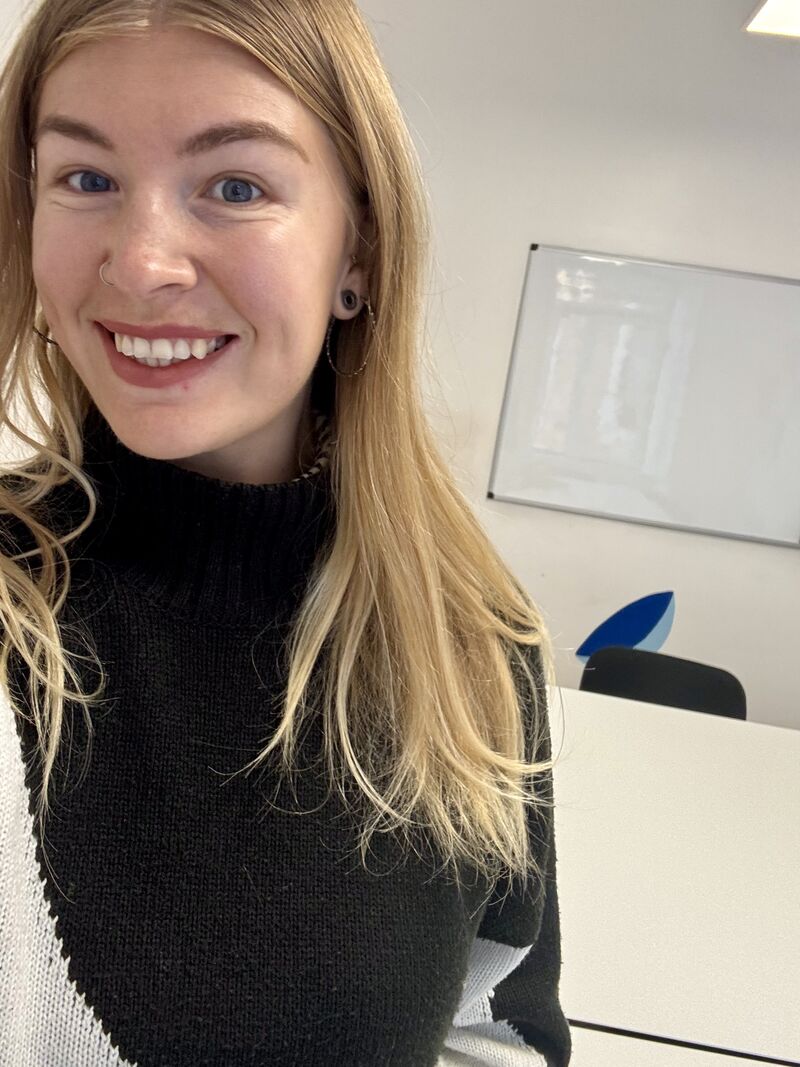
Ellie Ireland (LinkedIn profile page) is a young Bristol-based writer and book and travel influencer. She is the author of the “Ancient Echoes” Substack with a four-digit followership. She also writes on LovePaper. Ellie received First Class Honours in BA Creative and Professional Writing from the University of the West of England in 2023.